
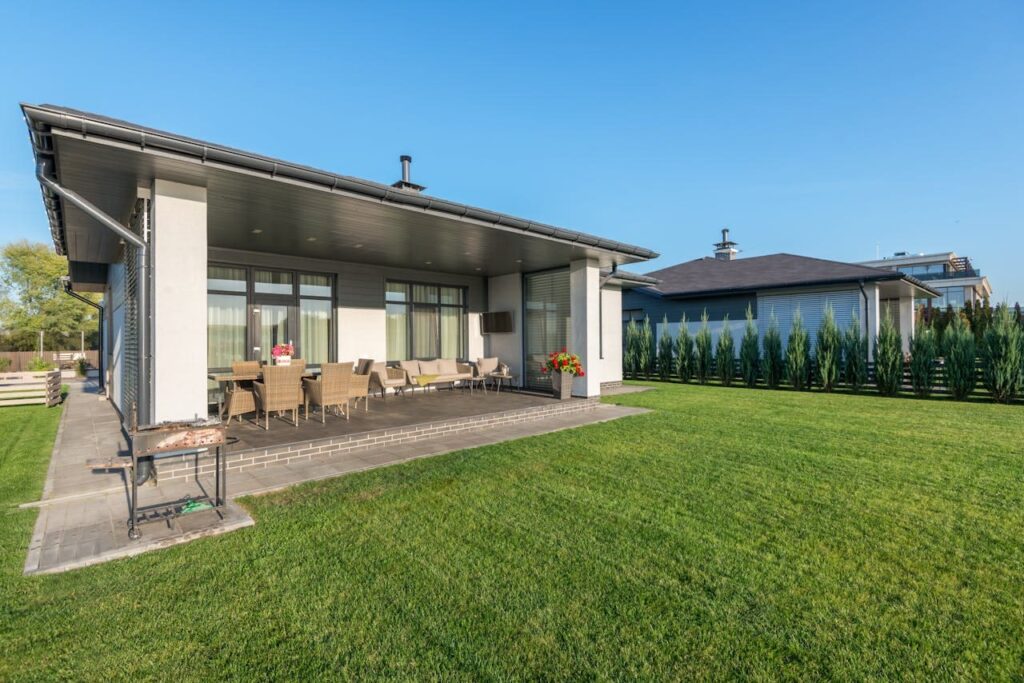
Melbourne’s growth corridors have been expanding rapidly. Suburbs like Wyndham, Casey, Hume and Cardinia have seen thousands of new homes built over the past decade — many of them on land that sits in or near floodplains, waterway corridors and drainage catchments.
If you own a property in one of these areas and are considering building a granny flat, there is a specific check you need to do before anything else: find out whether a flood overlay applies to your land.
A granny flat flood zone Melbourne situation does not automatically block your build. But it does add a layer of complexity that the wrong builder — or a builder who does not understand Melbourne’s planning overlays — will not know how to navigate. This guide explains what flood overlays mean, how they affect your secondary dwelling plans and what to do next.
What Is a Flood Overlay in Victoria?
Victoria uses several planning overlay types to identify and manage land that is subject to flooding risk. The most common overlays affecting residential property in Melbourne are:
Land Subject to Inundation Overlay (LSIO). This overlay applies to land that is susceptible to flooding from rivers, creeks and drainage systems in events up to the 1-in-100-year flood level. The LSIO is the most commonly encountered flood overlay in Melbourne’s growth corridors and established suburbs near waterways.
Special Building Overlay (SBO). The SBO applies to land that is susceptible to overland flow flooding — typically from stormwater runoff rather than direct waterway flooding. SBO overlays are common in established Melbourne suburbs where drainage infrastructure does not have the capacity to handle extreme rainfall events.
Floodway Overlay (FWO). The FWO applies to land that forms part of a defined floodway — the channel through which floodwater flows during a major flood event. Development on land within a FWO is the most restricted of the three overlay types.
You can check whether any of these overlays apply to your property using Victoria’s planning property report at planning.vic.gov.au.
Does a Flood Overlay Stop You From Building a Granny Flat?
Not necessarily. A flood overlay triggers a planning permit requirement for a secondary dwelling, but it does not automatically prevent the build from proceeding.
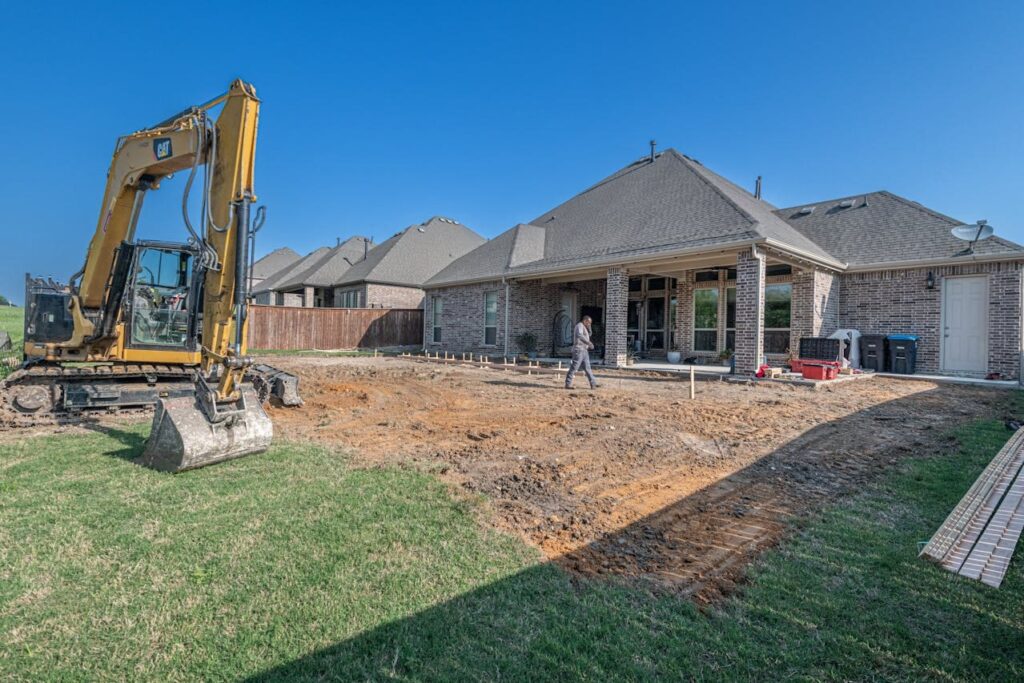
Under standard Victoria rules, secondary dwellings under 60sqm in a residential zone do not require a planning permit. When a flood overlay applies, a planning permit is required regardless of the size of the dwelling. The planning permit application is assessed by Melbourne Water as a referral authority. Melbourne Water assesses the proposal against flood risk criteria and may require conditions such as minimum floor levels, flood-resistant materials or specific siting to reduce flood exposure.
Flood zone situations often appear alongside other overlay complications. If your property also sits within a heritage overlay or has had issues with unapproved structures, the planning process becomes more involved but remains navigable with the right builder.
What Conditions Might Apply to a Granny Flat in a Flood Zone?
If your planning permit application succeeds, Melbourne Water and the council may impose conditions on the build. Common conditions for secondary dwellings in flood overlay areas include:
Minimum floor level. The finished floor level of the secondary dwelling may need to sit above the flood level for the applicable storm event.
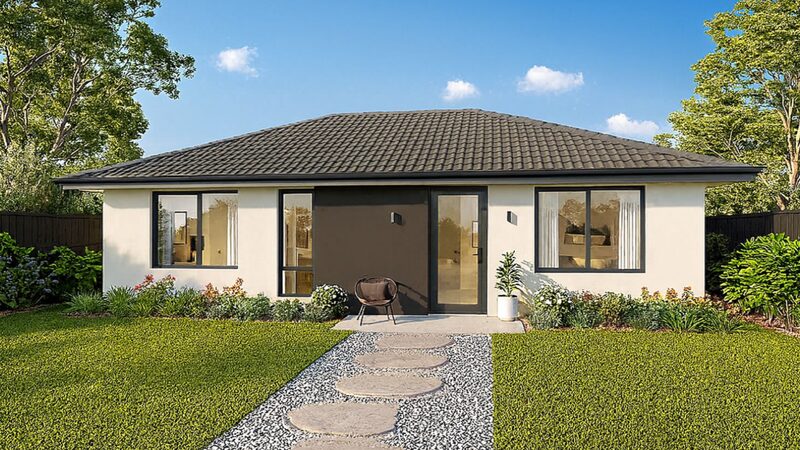
Flood-resistant materials. Materials below the flood level may need to be water-resistant. Our Homestead G-Flat™ uses a concrete waffle slab foundation, which provides a more suitable base for flood-prone land than a timber subfloor in many cases.
Siting requirements. The secondary dwelling may need to be positioned on the highest available part of the block or set back from a waterway buffer zone.
You can explore all G-Flat™ floor plans and foundation options on our G-Flat™ page.
Which Melbourne Suburbs Are Most Commonly Affected?

Flood overlays apply across a broad range of Melbourne suburbs. Areas where LSIO and SBO overlays are commonly encountered include:
Growth corridors — Wyndham (Tarneit, Hoppers Crossing, Point Cook), Casey (Cranbourne, Berwick, Clyde North), Hume (Craigieburn, Mickleham), Cardinia (Pakenham, Officer)
Established waterway suburbs — Templestowe, Eltham, Warrandyte, Doncaster East, Heidelberg, Rosanna
Low-lying coastal and bay suburbs — Chelsea, Edithvale, Carrum, Patterson Lakes
What Should You Do If Your Property Has a Flood Overlay?
Start with a title and planning check at planning.vic.gov.au to identify all overlays that apply to your land. Check your setback requirements and minimum block size rules at the same time.
Then contact Innovista for a site assessment. Our team has experience with Melbourne Water referral processes and flood overlay permit applications. We can assess your block, review the applicable flood levels and give you a clear picture of whether a secondary dwelling is viable on your land.
Do not assume the worst before you have the facts. Many homeowners with flood overlay properties have successfully built G-Flat™ secondary dwellings after a straightforward permit process.