
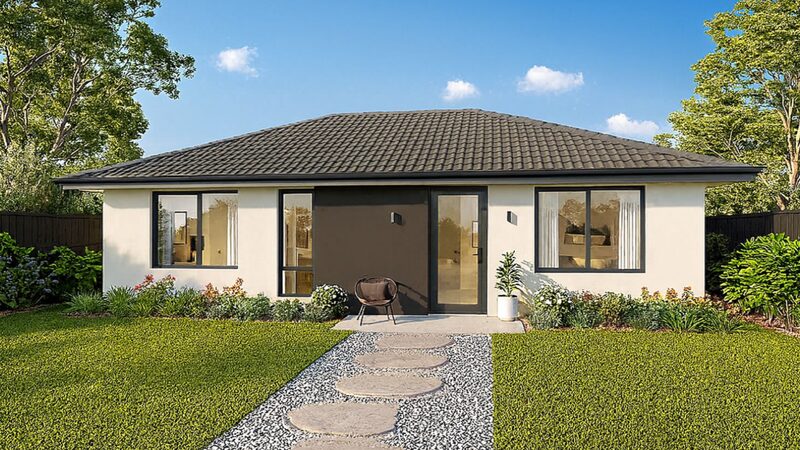
If you own a property in inner Melbourne, there is a reasonable chance it sits within a heritage overlay. And if you have ever looked into building a granny flat on that property, there is an equally reasonable chance someone told you it was impossible.
They may have been wrong.
A granny flat heritage overlay Melbourne situation is more achievable than most homeowners realise. The rules are more nuanced than a flat-out ban, and many properties within heritage precincts across Melbourne can accommodate a secondary dwelling with the right approach. This guide explains what the overlay actually means, how it affects your build and what steps to take.
What Is a Heritage Overlay?
A heritage overlay is a planning control applied to properties or precincts that carry cultural, architectural or historical significance. In Melbourne, heritage overlays are common across inner and middle suburbs — particularly in councils like Boroondara, Stonnington, Port Phillip, Yarra, Bayside and Glen Eira.
The purpose of a heritage overlay is to protect the character of significant buildings and streetscapes. It does not mean you cannot make changes to your property. It means those changes need to be assessed against heritage guidelines to ensure they do not harm what makes the property or precinct significant.
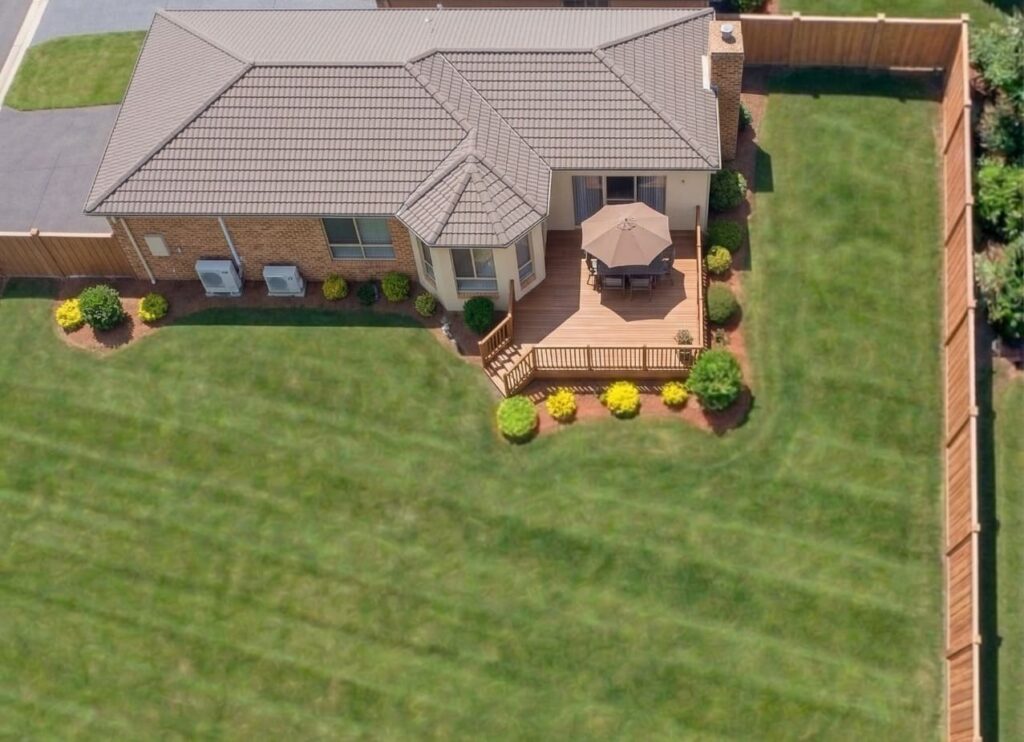
The key distinction that matters for granny flat purposes is this: heritage overlays primarily protect what is visible from the street. A secondary dwelling built in the backyard — away from the primary dwelling’s façade and the street frontage — often falls outside the most sensitive area of a heritage overlay assessment.
Does a Heritage Overlay Automatically Block a Granny Flat?
No. A heritage overlay does not automatically prevent you from building a secondary dwelling in Melbourne. What it does is trigger a planning permit requirement that would not otherwise apply.
Under Victoria’s standard rules, secondary dwellings under 60sqm in a residential zone generally do not require a planning permit. When a heritage overlay applies, a planning permit is required regardless of the size of the secondary dwelling. This is the main practical difference.
A planning permit application for a heritage overlay property is assessed against the heritage overlay provisions in the Victorian Planning Provisions and your council’s local heritage policy. The council’s heritage advisor will assess whether the proposed secondary dwelling would have an adverse impact on the significance of the heritage place.
In the majority of cases where the secondary dwelling is located in the rear yard, uses complementary materials and sits below the roofline of the primary dwelling, permit applications in heritage precincts succeed.
Understanding your setback requirements is particularly important in heritage overlay situations, as careful siting is often the key to a successful application.
Which Melbourne Suburbs Have Heritage Overlays?
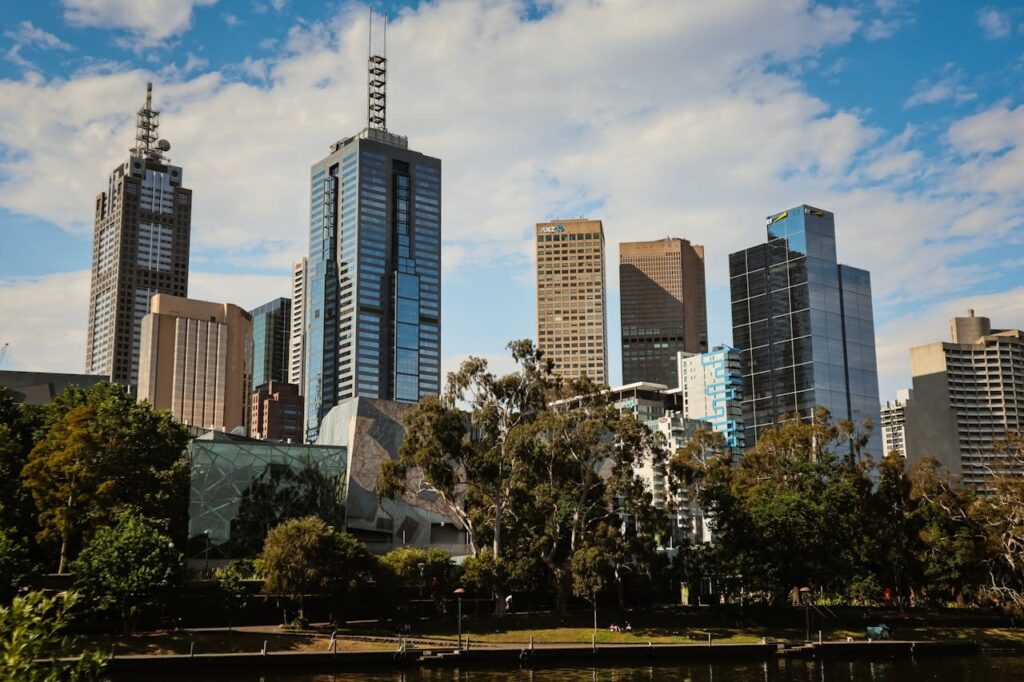
Heritage overlays are concentrated in Melbourne’s inner and established middle suburbs. Boroondara Stonnington granny flat applications are among the most common Innovista assists with in overlay areas. Other councils where heritage overlays frequently apply include:
Yarra — Fitzroy, Collingwood, Abbotsford, Richmond, Northcote
Port Phillip — South Melbourne, St Kilda, Albert Park, Middle Park
Bayside — Brighton, Hampton, Sandringham, Black Rock
Glen Eira — Caulfield, Elsternwick, Ormond
Darebin — Preston, Northcote, Thornbury
Moreland — Brunswick, Coburg, Pascoe Vale South
If you are unsure whether your property sits within a heritage overlay, you can check using Victoria’s planning property report at planning.vic.gov.au or contact your local council’s planning department directly.
What Does the Planning Permit Process Look Like?
For a secondary dwelling in a heritage overlay area, the planning permit process typically involves the following steps.
Pre-application consultation. Meeting with the council’s heritage advisor before lodging a formal application is strongly recommended. This gives you a clear sense of what the council is likely to support before you spend money on detailed drawings.
Permit application. Your builder or designer lodges a planning permit application with the council. This includes plans, elevations and a heritage impact statement.
Council assessment. The council assesses the application against its heritage overlay provisions. In straightforward rear-yard secondary dwelling cases, this process often takes between eight and fourteen weeks.
Permit issued with conditions. Most successful applications come with conditions around materials, colours, landscaping or siting. These are generally manageable and do not significantly affect the finished build.
Building permit. Once the planning permit is in hand, the standard building permit process follows, covering structural compliance, energy ratings and safety requirements.
The permit process adds time to a heritage overlay project compared to a standard build, but it does not make the project impossible.
What to Look For in a Builder for Heritage Overlay Properties
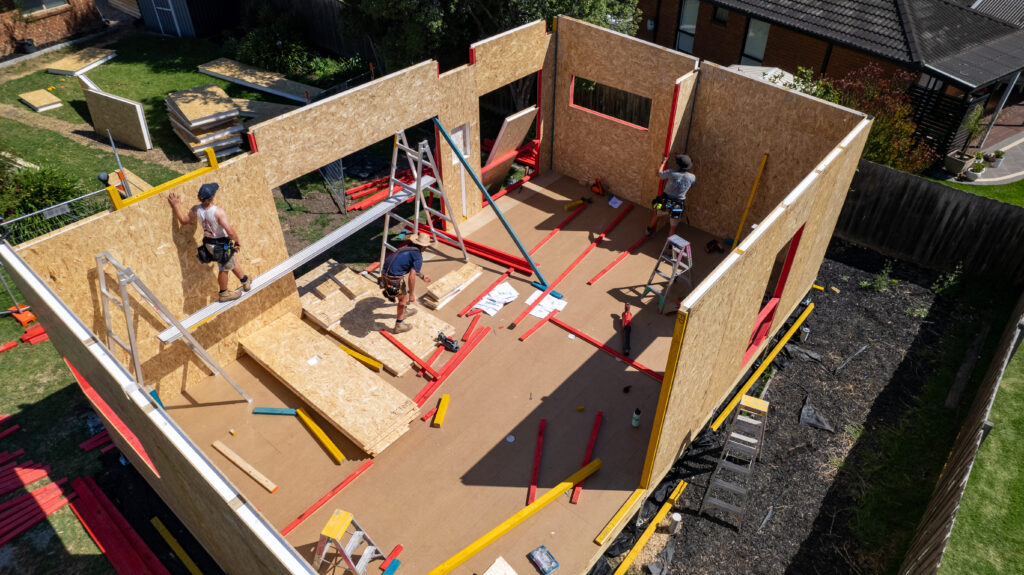
Not all builders have experience navigating the heritage overlay permit process. When choosing the best granny flat builder in Melbourne for a heritage overlay property, look for a builder who understands the planning system, can guide you through pre-application and has completed builds in overlay areas before.
Innovista’s team has direct experience in heritage overlay planning applications. We work with homeowners to understand what the council’s heritage advisor is likely to support and design the G-Flat™ layout and materials accordingly from the start — rather than going through costly redesigns after a permit refusal.
Our G-Flat™ range includes finish options and material choices that work well within heritage overlay guidelines. The Stella G-Flat™ and Lana G-Flat™ in particular have been used successfully across heritage precincts in Boroondara, Stonnington and Port Phillip, where careful siting and complementary materials have supported successful permit outcomes.
You can also read what other Innovista customers say about working with us before you commit to anything.
The First Step Is Understanding Your Block
Every heritage overlay property is different. The significance of the heritage place, the council’s local heritage policy and the specific siting of a proposed secondary dwelling all influence what is achievable.
Innovista offers a free site assessment where our team visits your property, reviews the heritage overlay provisions that apply and gives you an honest picture of what a secondary dwelling build would involve.
No obligation. No hard sell. Just honest, practical advice.