
If your council sent you a letter with the words “ancillary dwelling” in it, you are not alone in wondering what that means. It is one of those planning terms that gets used constantly by councils, conveyancers and surveyors — but rarely gets explained in plain language.
This guide clears it up. We cover what an ancillary dwelling Melbourne actually is, how the rules work in Victoria and what your options are if you want to build one.
What Is an Ancillary Dwelling?
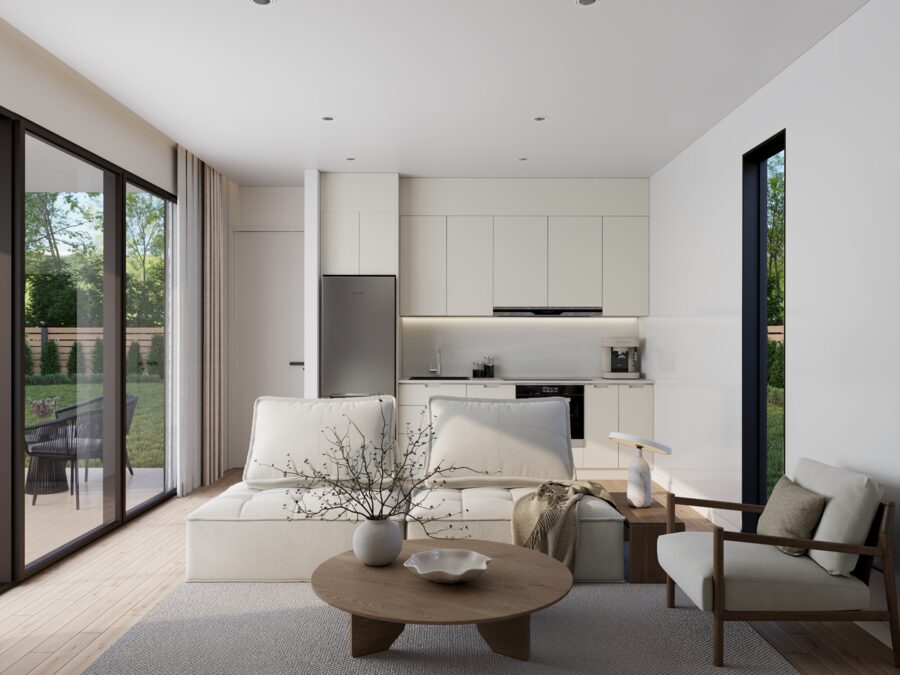
An ancillary dwelling is a self-contained secondary home built on the same property title as a primary residence. It has its own kitchen, bathroom, laundry and living space. It sits separate from the main house and functions as an independent dwelling within a compact footprint.
In Victoria, the term “ancillary dwelling” has been largely replaced by “secondary dwelling” in official planning documents following the December 2023 reforms. The Victorian Government standardised the language to reduce confusion between the different terms that had built up over the years — dependent person unit, granny flat, ancillary dwelling and secondary dwelling all referred to similar structures but carried slightly different regulatory meanings.
Today, if you see “ancillary dwelling” in a planning document or title search, it almost always refers to what Victoria now officially calls a secondary dwelling.
The structure itself — a self-contained home in your backyard — is the same thing regardless of which term appears on the paperwork.
How Does an Ancillary Dwelling Differ From a Granny Flat?
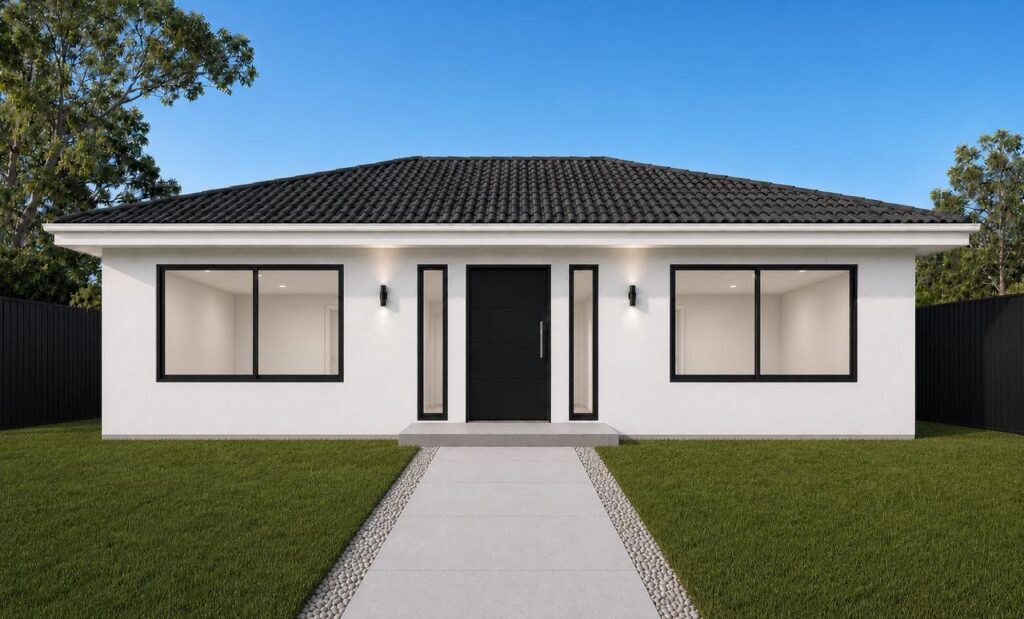
Practically speaking, there is no meaningful difference. “Granny flat” is the everyday term most Australians use. “Ancillary dwelling” is the planning and legal terminology. “Secondary dwelling” is the current official Victorian Government term.
What the term used in correspondence tells you is something about the source of the document. If a council planning officer uses “ancillary dwelling,” they are likely referring to older planning scheme provisions or quoting legacy documentation. If a conveyancer or solicitor uses it, they may be describing a structure already on the title of a property you are looking to purchase. If a building surveyor uses it, they are typically distinguishing it from a primary dwelling for the purpose of assessing permit requirements.
In all of these cases, the structure in question is the same: a self-contained home on the same block as the primary residence. And in Victoria in 2026, the rules that govern it fall under the small second home framework introduced after the December 2023 reforms.
Can You Build an Ancillary Dwelling in Melbourne?
Yes, and it is more straightforward than many homeowners expect. Under Victoria’s current planning rules, a secondary dwelling under 60sqm in a standard residential zone generally does not require a planning permit. A building permit is still required, covering structural compliance, energy ratings and safety standards.
The December 2023 reforms removed the previous minimum lot size of 300sqm for sub-60sqm builds. This opened up a significant number of Melbourne blocks that were previously ineligible, particularly in inner and middle suburbs.
Before you commit to anything, it pays to confirm your setback requirements so you know exactly where the structure can be positioned on your block.
If your property has a heritage overlay, sits in a flood zone or carries restrictive covenants on the title, additional steps may apply. A proper site assessment is the fastest way to get a clear answer specific to your land.
What Does an Ancillary Dwelling Look Like?
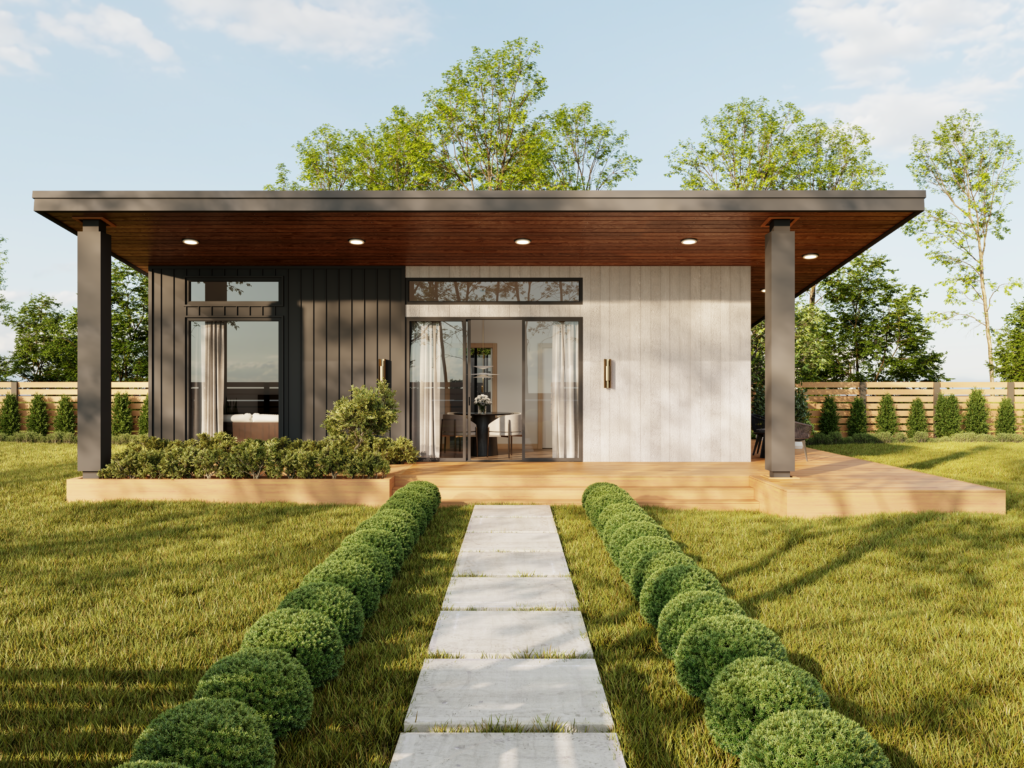
At Innovista, we build G-Flat™ homes — our range of secondary dwellings designed to feel like a proper home rather than a compromise. Every G-Flat™ comes with a full kitchen, bathroom, laundry, living space and a 10-year structural warranty as standard.
We offer five floor plans to suit different block types and living needs. You can see full images, inclusions and floor plan drawings for all five on our G-Flat™ page.
The Stella G-Flat™ uses an L-shape layout that works beautifully on corner blocks, tucking into the corner while keeping the main yard open.
The Aurora G-Flat™ runs long and narrow, designed specifically for tight or side-access blocks where standard layouts do not fit.
The Lana G-Flat™ is our most versatile layout, suited to the standard suburban backyard found across most of Melbourne.
The Lana 2 G-Flat™ adds a second bathroom to the Lana layout, making it ideal for extended family or shared living situations.
The Sirius G-Flat™ uses a square footprint that maximises space on wider, more open blocks.
Each floor plan is available across four finish levels. Packages typically start at approximately $198,000 for the Affordable finish and range up to around $265,000 for the Luxe finish, which includes 3m ceilings, a curved kitchen island, Bosch appliances and underfloor heating in the bathroom.
All prices are indicative only and may vary based on site conditions, design selections and council requirements. Always request a current written quote.
Who Builds Ancillary Dwellings in Melbourne?
The homeowners who come to Innovista for a secondary dwelling build cover a wide range of situations. Many are adult children who want to build for ageing parents — keeping family close without everyone living under the same roof. Others have discovered an existing structure on a property they are purchasing and need expert advice on what it means for their plans. Some are simply homeowners who want to make the most of their land and need someone to walk them through what is possible.
Whatever your situation, the starting point is the same: understanding your block and understanding your options.
Find Out What Your Block Can Accommodate
Innovista offers a free site assessment where our team visits your property, assesses it against the current rules and walks you through which G-Flat™ floor plan makes the most sense for your situation.
No obligation. No hard sell. Just clear advice from people who build secondary dwellings in Melbourne every day.