
Most Melbourne homeowners still use the phrase “granny flat.” But if you have spent any time on your council’s website recently, you may have noticed a different term appearing: small second home. It is not just a rebrand. It reflects a genuine shift in how Victoria thinks about secondary housing — and what that means for your block in 2026.
This guide breaks down the new rules, what a small second home Melbourne actually costs and what the finished product looks like.
What Is a Small Second Home?
A small second home is a self-contained dwelling built on the same title as your primary residence. It has its own kitchen, bathroom, laundry and living area. It sits physically separate from the main house and functions as a fully independent home within a compact footprint.
The term gained traction after Victoria’s December 2023 planning reforms, which overhauled the rules for secondary dwelling Melbourne construction across the state. The Victorian Government moved away from older terminology like dependent person unit (DPU) and introduced clearer, more consistent language that councils, builders and homeowners now use across planning applications and permit documents.
If you have come across the terms secondary dwelling or ancillary dwelling in correspondence from your council or conveyancer, they refer to the same structure.
What Did Victoria’s Granny Flat Rules Actually Change?
The December 2023 reforms were the most significant update to granny flat rules 2026 planning policy Victoria had seen in years. Here is what changed and why it matters.
No minimum lot size for sub-60sqm builds. Previously, blocks needed to be at least 300sqm before a homeowner could apply to build a secondary dwelling. That minimum no longer applies for dwellings under 60sqm, which covers most standard G-Flat™ builds.
Councils lost the ability to add their own restrictions. Local councils previously had significant power to impose conditions beyond state guidelines. In most residential zones, that power has been removed. This opened up suburbs that were previously complicated or entirely off-limits.
Setback and siting rules were clarified. The reforms set clearer standards for how close a small second home can sit to fences, the primary dwelling and the street. This gives homeowners and builders a reliable framework to work from rather than navigating council-by-council variations.
For the most authoritative source on current requirements, the Victorian Planning Authority maintains up-to-date planning guidance for homeowners and builders statewide.
Do You Need Council Approval to Build a Small Second Home in Melbourne?
In most cases you will not need a planning permit. Small second homes under 60sqm in a standard residential zone generally proceed on a building permit alone. The building permit covers structural compliance, energy ratings and safety requirements.
There are situations where additional approvals apply. If your property sits within a heritage overlay, a bushfire management overlay, a flood zone or carries restrictive covenants on the title, your path may involve extra steps. None of these are necessarily blockers, but they do affect your timeline.
Understanding your minimum block size requirements before you commit to anything is the smartest first move. It takes the guesswork out of what is possible on your specific land.
How Much Does a Small Second Home Cost in Melbourne?
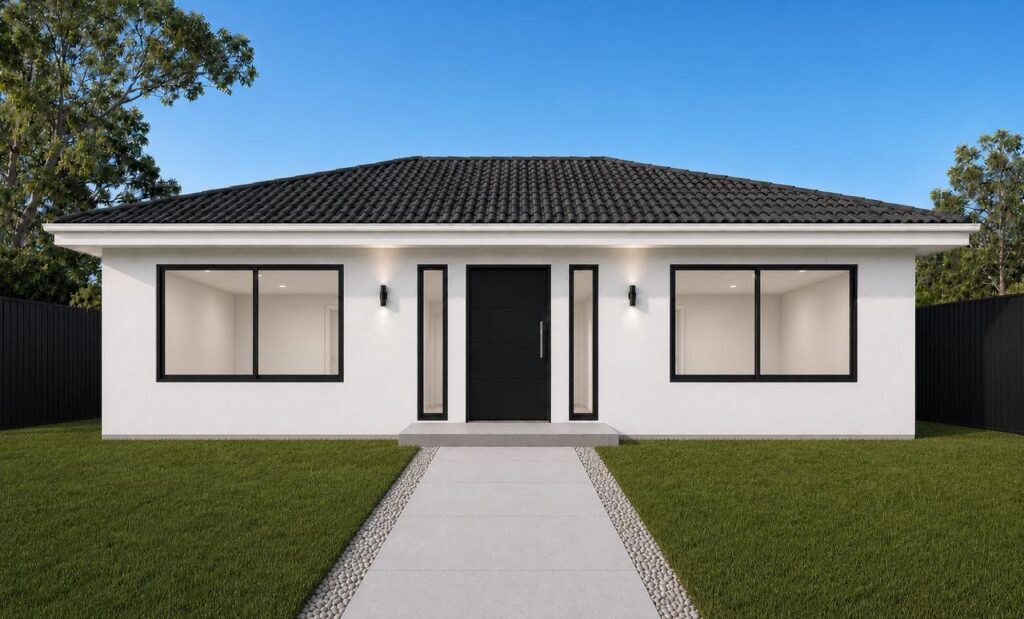
Small second home cost in Melbourne varies depending on the finish level, the floor plan and site-specific factors like slope, soil type and how far your services need to run.
At Innovista, our G-Flat™ packages typically start at approximately $198,000 for the Affordable finish. The Homestead finish generally starts at around $208,000 and includes a concrete slab and pitched tiled roof. The Signature finish starts at approximately $238,000 and includes 40mm stone benchtops, a skylight in the bathroom and extended decking. The Luxe finish ranges up to around $265,000 and includes 3m ceilings, a curved kitchen island, Bosch appliances, underfloor heating and skylights in both the kitchen and bathroom.
All prices are indicative only and may vary based on site conditions, design selections and council requirements. Always request a current written quote.
Every package includes the building permit, connection of services up to 10 metres, a 10-year structural warranty and a 6-month maintenance guarantee. There are no hidden extras charged at the end.
Which Floor Plan Suits a Small Second Home in Melbourne?
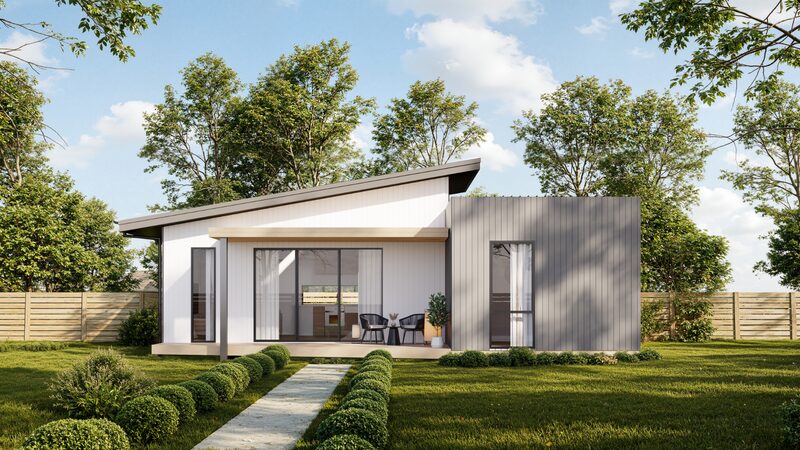
Innovista builds five G-Flat™ floor plans, each designed around a different block type and lifestyle need. You can see full images, inclusions and dimensions for all five on our G-Flat™ page.
The Stella G-Flat™ is an L-shape layout built for corner blocks. It tucks into the corner of your yard while keeping the main outdoor area open and connected.
The Aurora G-Flat™ runs long and narrow, making it the right choice for tight or side-access blocks where footprint width is limited.
The Lana G-Flat™ delivers a balanced, practical layout that fits comfortably into most standard suburban backyards across Melbourne.
The Lana 2 G-Flat™ builds on the Lana with a second bathroom — ideal for shared living arrangements or extended family who need a little more independence.
The Sirius G-Flat™ uses a square footprint that works particularly well on wider, more open blocks with room to move.
Once you know which layout suits your block, the next step is choosing the right builder to bring it to life.
Who Is a Small Second Home Built For?
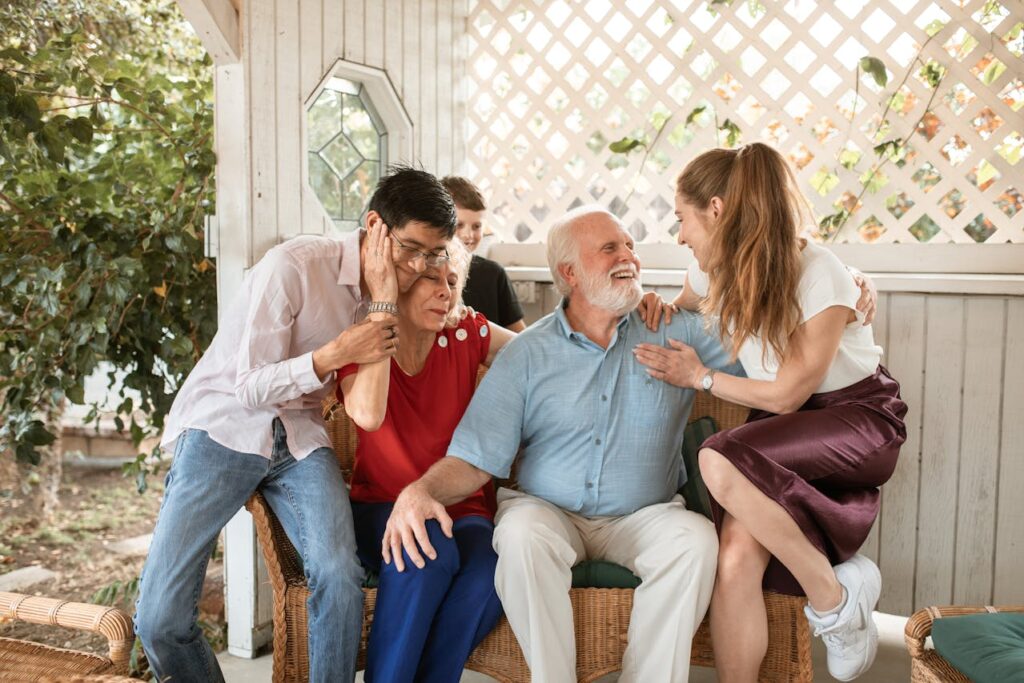
Homeowners across Melbourne build small second homes for all kinds of reasons. Ageing parents who want to stay close to family without sharing a front door. Adult children who need independence but are not ready to buy. Families with specific care needs who want a purpose-designed space. Downsizers who want to move into a compact, low-maintenance home while renting out the main house.
What all of these situations have in common is a need for quality, compliance and a builder who understands the process from start to finish.
Ready to Take the First Step?
The best way to understand what is possible on your block is to have someone come and look at it. Innovista offers a free site assessment where our team visits your property, checks your block against the current rules and recommends the G-Flat™ floor plan that fits your situation best.
No pressure. No obligation. Just clear, honest advice from people who build small second homes in Melbourne every day.