

You have spent months planning your G-Flat™. The build is done, the keys are handed over and the structure is sitting in your backyard looking exactly as you hoped. Then someone asks: “So what insurance have you got on it?”
It is a question a surprising number of Melbourne homeowners cannot answer clearly — not because they have been careless, but because granny flat insurance Melbourne is a topic that most insurers do not explain well and most builders do not raise at all.
This guide covers what you need to know: what types of cover apply to a secondary dwelling, how they interact with your existing home policy and what to check before you assume you are covered.
Does Your Existing Home Insurance Cover the Granny Flat?
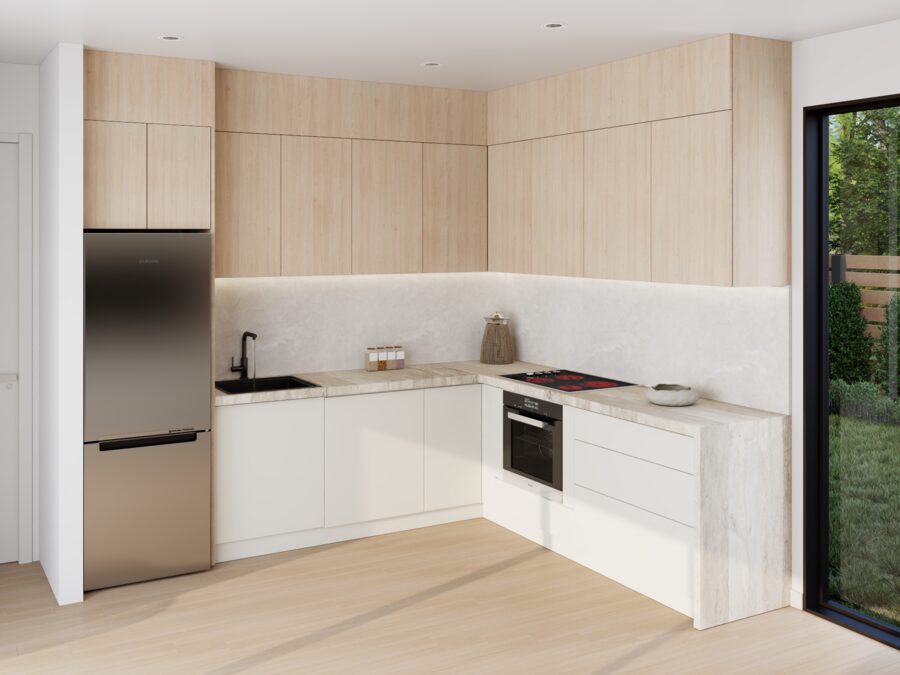
Maybe — but probably not fully, and possibly not at all if you have not disclosed it.
Standard home and contents insurance policies in Australia typically cover the primary dwelling and any permanent structures on the same title, such as garages, sheds and fencing. Whether a secondary dwelling is automatically included depends entirely on the specific policy wording and the insurer.
The safest approach is to contact your existing insurer, disclose that you have built a secondary dwelling on your property and ask explicitly whether it is covered under your current policy and for how much.
A secondary dwelling that was built without permits will almost certainly not be covered by any insurer. This is one of the most significant financial risks of an unapproved structure.
Building Insurance for a Granny Flat
Building insurance covers the physical structure of the secondary dwelling — the walls, roof, floors, fixtures, fittings and permanently installed appliances. When arranging building insurance for a granny flat insurance Melbourne situation, the key things to confirm are:
The secondary dwelling is specifically disclosed and listed. Do not assume it is included. Tell your insurer it exists, describe it and get written confirmation that it is covered.
The insured value is adequate. The sum insured for your building should reflect the total rebuild cost of both the primary dwelling and the secondary dwelling. Underinsurance is a common problem.
The policy covers the structure regardless of occupancy. Some building policies change their terms depending on whether the property is owner-occupied or rented.
Every Innovista G-Flat™ is built to a compliant standard with a 10-year structural warranty. A properly permitted and warrantied structure gives you a much stronger position when arranging insurance. You can see the full inclusions and specifications for each package on our G-Flat™ page.
Landlord Insurance for a Rented Granny Flat
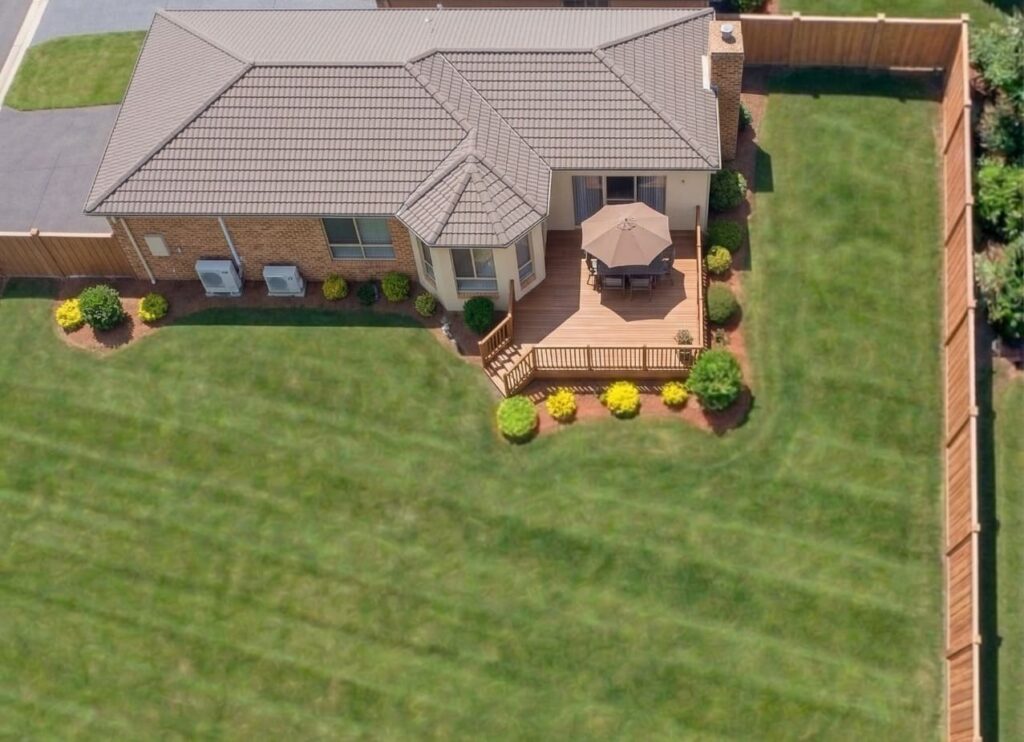
If you plan to rent out your G-Flat™, building insurance alone is not enough. You need landlord insurance.
Landlord insurance covers the risks specific to renting: rental income loss if the property becomes uninhabitable, malicious damage by tenants, tenant default on rent and legal liability if a tenant or visitor is injured on the property.
Before you sign a lease agreement for your G-Flat™, make sure your landlord insurance is in place. Key things to look for in a landlord insurance policy:
Loss of rent cover. This covers your rental income if the property is damaged and becomes uninhabitable.
Tenant damage cover. This covers damage caused deliberately or accidentally by tenants beyond the bond amount.
Public liability cover. This covers legal costs and compensation if a tenant or visitor suffers an injury on the property.
What Affects the Cost of Granny Flat Insurance?

The size and value of the secondary dwelling. A Luxe G-Flat™ at approximately $265,000 will carry a higher rebuild cost and therefore a higher insurance premium than an Affordable G-Flat™ at approximately $198,000.
The construction type. G-Flat™ builds use James Hardie Axon Cladding on the Affordable, Signature and Luxe finishes, and Hebel render on the Homestead finish — both durable cladding systems that generally carry favourable insurance assessments.
The location. Properties with a flood overlay will see this reflected in building insurance costs.
How a G-Flat™ Affects Your Property Valuation and Insurance Needs
A G-Flat™ adds meaningful value to your Melbourne property. Understanding how it affects your property valuation is just as important as making sure your insurance reflects that added value. If your property value increases but your building sum insured does not, you are underinsured.
The Bottom Line on Granny Flat Insurance
Disclose the secondary dwelling to your existing insurer as soon as the build is complete. Confirm in writing that the secondary dwelling is covered. If you are renting it out, add landlord insurance before the tenancy starts. Review your sum insured to make sure it reflects the full rebuild cost of both dwellings.
If you are yet to start your build, choosing a quality builder who delivers a fully permitted, warrantied structure is the foundation of a strong insurance position from day one.