
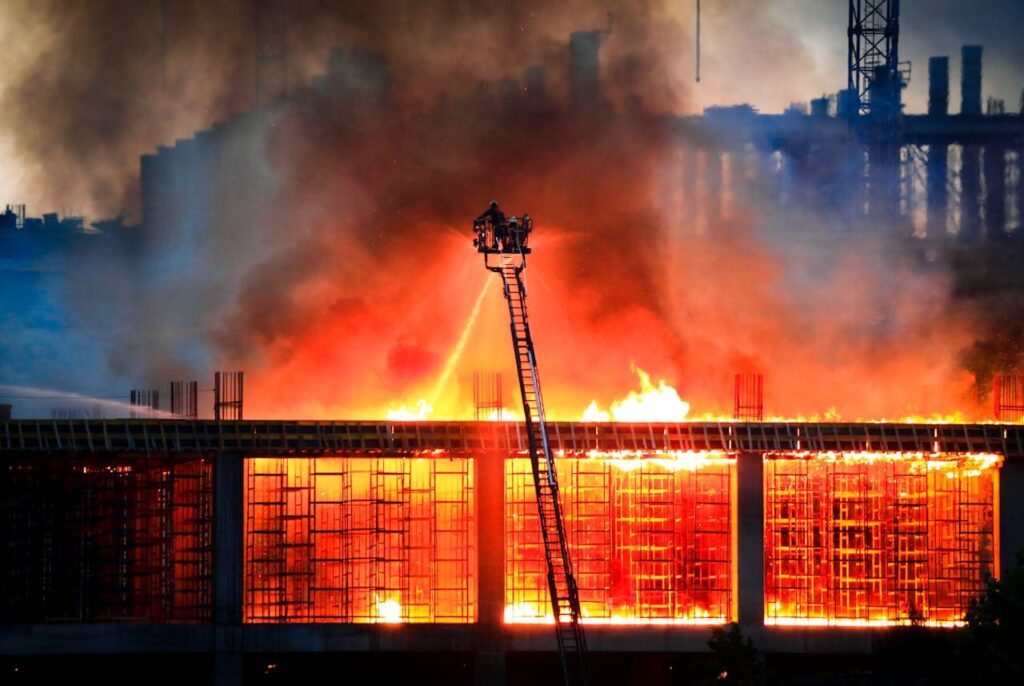
Melbourne’s granny flat builders are scrambling to understand new fire safety regulations that took effect January 1, 2026. If you’re planning to build a granny flat in the next 12 months, three significant changes now affect your build timeline, budget, and legal compliance. Miss any of these requirements and you’ll face handover delays, failed inspections, and penalties reaching $5,442 per offence.
The Victorian Building Authority updated smoke alarm standards following a tragic 2024 incident in regional Victoria involving a secondary dwelling. Now every granny flats Melbourne project must meet stricter requirements that go beyond what applies to main houses. This guide breaks down exactly what changed, why it matters, and how it affects your build.
What Actually Changed on January 1, 2026
The new regulations introduce three major shifts for anyone looking to build a granny flat across Melbourne and Victoria.
Photoelectric smoke alarms now mandatory: The old ionisation alarms that most people have are no longer compliant in new builds. Photoelectric alarms detect smoldering fires 20-30 minutes earlier, critical in overnight scenarios when occupants are sleeping. Every granny flat must now have photoelectric-only alarms, with ionisation types explicitly prohibited.
Hardwired with battery backup required: Standalone battery-powered alarms no longer meet code for new construction. Every smoke alarm must connect to mains power with rechargeable lithium battery backup lasting 10 years minimum. This prevents the common problem of dead batteries going unnoticed for months.
Interconnection between all alarms: When one alarm detects smoke, every alarm in the granny flat must sound simultaneously. This requirement recognises that granny flats Melbourne properties often house elderly occupants or people with mobility limitations who need maximum warning time to evacuate safely.
These aren’t suggestions. Building surveyors will not sign off on final inspections without full compliance, regardless of how minor the project seems.
Where Smoke Alarms Must Be Installed

Location requirements became more specific under the 2026 standards, particularly for granny flats Melbourne builds where space constraints create unique challenges.
Every bedroom requires its own alarm. Whether you’re building a compact 1-bedroom or spacious 2-bedroom layout, each sleeping space needs dedicated smoke detection. This applies even to bedrooms rarely used, like guest rooms or occasional-use spaces.
Hallways connecting bedrooms to exits need alarms. The evacuation path from sleeping areas to outside doors must have continuous smoke detection. In open-plan granny flats where hallways don’t exist, the alarm must be positioned within 3 metres of bedroom doorways with clear line-of-sight to exits.
Living areas require coverage based on size. Granny flats under 60 square metres typically need one living area alarm. Larger custom builds may require two, positioned to ensure no point in the living space is more than 7.5 metres from an alarm.
For most Lana 60 builds, this means four hardwired photoelectric alarms: two in bedrooms, one in the hallway, one in the living area. Compact Lana 43 layouts typically require three alarms due to the open-plan design eliminating traditional hallways.
Cost Impact on Your Build Budget
The new fire safety requirements add $800-$1,400 to typical granny flat costs, depending on layout complexity and electrical infrastructure.
| Cost Component | Budget Impact | Details |
|---|---|---|
| Photoelectric alarms (4 units) | $400-$600 | Commercial-grade 10-year lithium models |
| Hardwired installation | $300-$600 | Additional electrical work, interconnection |
| Compliance certification | $100-$200 | Building surveyor verification |
| Total additional cost | $800-$1,400 | One-time compliance investment |
Quality granny flat builders Melbourne teams already factor these costs into 2026 quotes. However, builders still quoting 2024-2025 prices may hit you with variations once they realise the new requirements apply.
At Innovista Group, our fixed-price packages include full 2026 fire safety compliance in the base price. No variations, no surprises when building surveyors inspect.
Existing Granny Flats: Do They Need Upgrades?
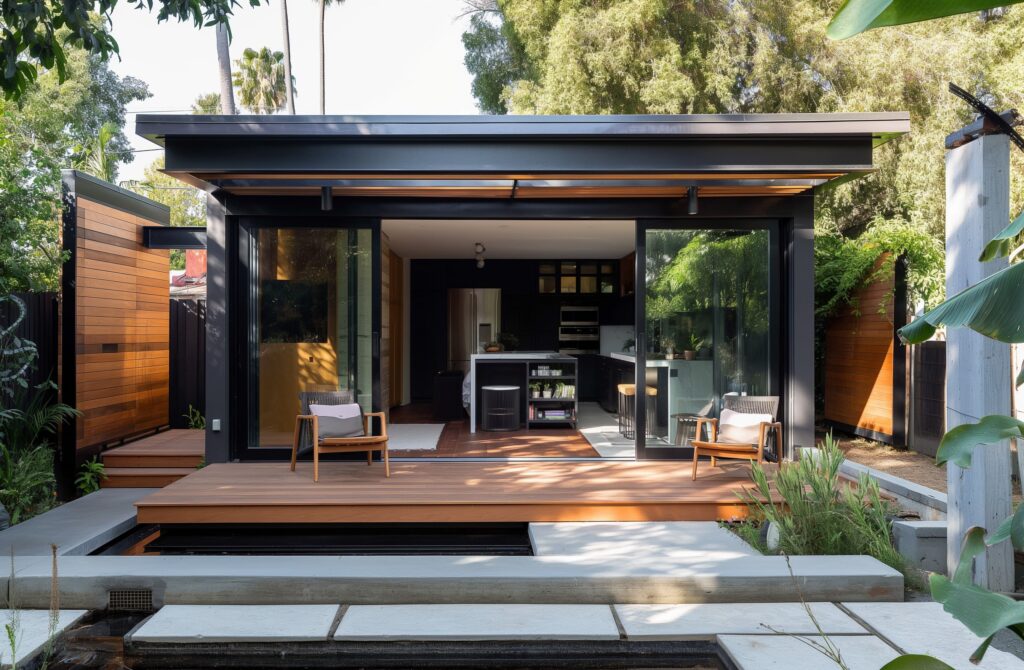
The January 2026 changes apply to new construction and substantial renovations only. Existing granny flats Melbourne properties built before this date don’t require immediate upgrades unless you’re doing major work triggering building permits.
However, two situations force compliance updates:
Renovations exceeding $10,000 value that require building permits now trigger full 2026 compliance. If you’re adding a bedroom, replacing electrical systems, or making structural changes to an existing granny flat, the new smoke alarm requirements apply.
Sale or rental of the property doesn’t mandate upgrades unless the granny flat is being marketed as compliant with current standards. However, insurance companies increasingly require 2026-standard alarms for coverage renewals, creating practical pressure to upgrade even without legal requirements.
For families with ageing parents in older granny flats, the photoelectric upgrade offers substantial safety improvements regardless of legal obligations. Older adults face higher risks during fires due to mobility limitations and deeper sleep patterns.
Council Variations Across Melbourne
While the Victorian Building Authority sets statewide standards, individual councils add their own requirements affecting granny flats Melbourne property owners must navigate.
Inner Melbourne councils (Yarra, Melbourne, Port Phillip) require heritage-sensitive alarm installations where granny flats sit in heritage overlay zones. This means surface-mounted conduit rather than recessed wiring in some cases, adding $200-$400 to installation costs whilst preserving heritage fabric.
Growth corridor councils (Casey, Cardinia, Wyndham) process fire safety approvals fastest, averaging 3-4 weeks from application to inspection. Their building surveyors prioritise new construction compliance, having seen firsthand how proper smoke detection saves lives in rapidly developing suburbs.
Bayside councils (Kingston, Bayside) require additional heat detectors in kitchens beyond the 2026 smoke alarm minimums. Coastal moisture affects some photoelectric sensors, so heat detection provides backup protection in cooking areas where smoke alarms occasionally trigger false alerts.
Check your specific council requirements before finalising fire safety plans, as these local variations affect both costs and approval timelines.
How Innovista Handles 2026 Fire Safety Compliance
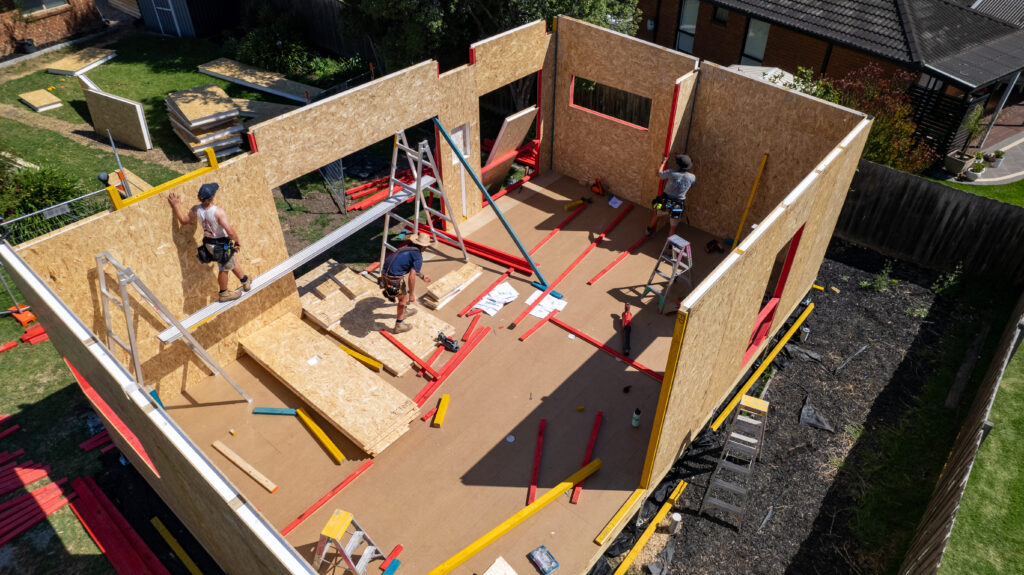
At Innovista Group, we’ve integrated the new standards into every granny flat build from day one of 2026. Our electrical contractors install Clipsal-branded photoelectric alarms with 10-year sealed lithium batteries and wireless interconnection as standard across all packages.
The wireless interconnection deserves explanation. Rather than running additional cables between alarms, modern systems use radio frequency to link units. This reduces installation time by 40% whilst providing identical protection to hardwired interconnection. When one alarm activates, all alarms sound within 0.3 seconds.
Our contracts include full 2026 fire safety compliance with no variations for regulatory changes. We absorbed the increased costs because we believe transparent pricing beats surprise bills during construction.
For custom builds requiring additional alarms beyond standard layouts, we identify these needs during the initial site assessment so costs appear in your original quote, never as variations during construction.
Beyond Compliance: Additional Fire Safety Measures
Meeting 2026 minimums satisfies building surveyors, but some granny flat builders Melbourne teams recommend going further for maximum protection.
Bedroom escape windows that open to at least 0.33 square metres provide alternative exits if the primary door route becomes blocked. This isn’t legally required but adds critical safety for elderly occupants or anyone with mobility limitations.
Fire blankets in kitchens cost $45 and extinguish small cooking fires before they trigger smoke alarms or require evacuation. We install them as standard in all Innovista builds because kitchen fires represent the most common granny flat fire source.
External alarm notifications that alert occupants in the main house when granny flat alarms activate provide crucial early warning for families with ageing parents who may not hear alarms from inside their homes. This costs $180 additional but delivers significant peace of mind.
According to the Metropolitan Fire Brigade Victoria, properly maintained photoelectric smoke alarms reduce fire deaths by 65% compared to no alarms, and by 30% compared to ionisation alarms. The 2026 standards reflect this evidence-based approach to residential fire safety.
Questions To Ask Your Builder About Fire Safety
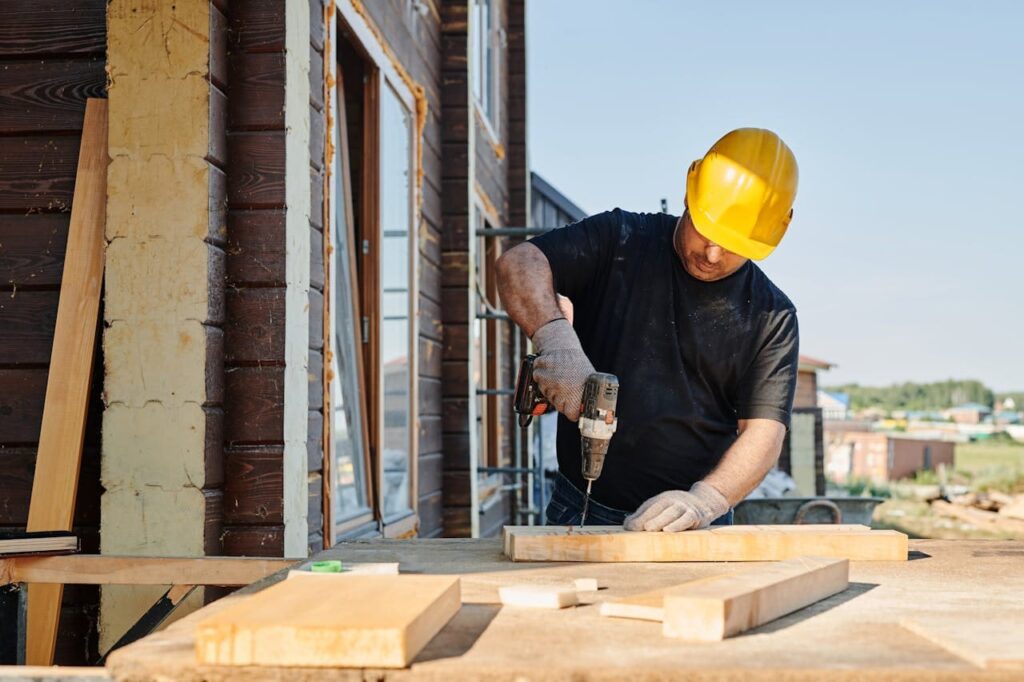
Not all granny flat builders Melbourne companies update their practices immediately when regulations change. These questions reveal whether your builder truly understands 2026 requirements:
What brand and model smoke alarms do you install? They should name specific photoelectric models with 10-year lithium batteries, not generic “compliant alarms.”
How do you interconnect the alarms? Wireless interconnection is acceptable but should be specifically mentioned, not glossed over as “connected.”
When does final fire safety inspection occur? This happens after electrical rough-in is complete but before wall linings go up, allowing surveyors to verify proper wiring and positioning.
What happens if regulations change during our build? Quality builders include compliance guarantees in contracts, absorbing regulatory update costs rather than passing them to customers.
Can you show me recent fire safety inspection reports? Builders confident in their compliance readily share these documents, whilst those cutting corners often can’t produce them.
Your Next Steps For 2026-Compliant Builds
Melbourne’s updated fire safety requirements aren’t negotiable, but they’re also not particularly complex once you understand what’s actually required. The key is working with builders who’ve already adapted their systems and pricing to reflect 2026 standards.
If you’re planning to build a granny flat in 2026, verify that quotes include full fire safety compliance specifically mentioning photoelectric alarms, hardwired installation, and interconnection. Vague references to “meeting building codes” aren’t sufficient given how recently these standards changed.
For existing granny flats considering upgrades, the $800-$1,200 investment in 2026-standard alarms delivers substantial safety improvements even where not legally required. Insurance companies increasingly factor proper fire detection into premium calculations, often offsetting upgrade costs within 2-3 years through reduced premiums.
Ready to build with complete confidence in fire safety compliance? Book a free site assessment where we’ll explain exactly how 2026 requirements affect your specific property and timeline.
Contact Innovista Group to discuss how our transparent, all-inclusive approach to granny flats Melbourne builds ensures you never face compliance surprises or variation bills for regulatory changes.