

One of the most practical questions Melbourne homeowners ask after their G-Flat™ is built is one that rarely comes up during the planning stage. How does the electricity actually work? Do I need a separate meter? How does the tenant pay their own bills?
Getting the utility setup right for a secondary dwelling in Victoria is straightforward once you understand the options. Getting it wrong creates ongoing billing headaches, dispute potential with tenants and in some cases compliance issues with your electricity distributor.
This guide covers everything you need to know about setting up a separate electricity meter for a granny flat in Victoria, what it costs and how Innovista handles the utility connection as part of every G-Flat™ build.
Why a Separate Electricity Meter Matters
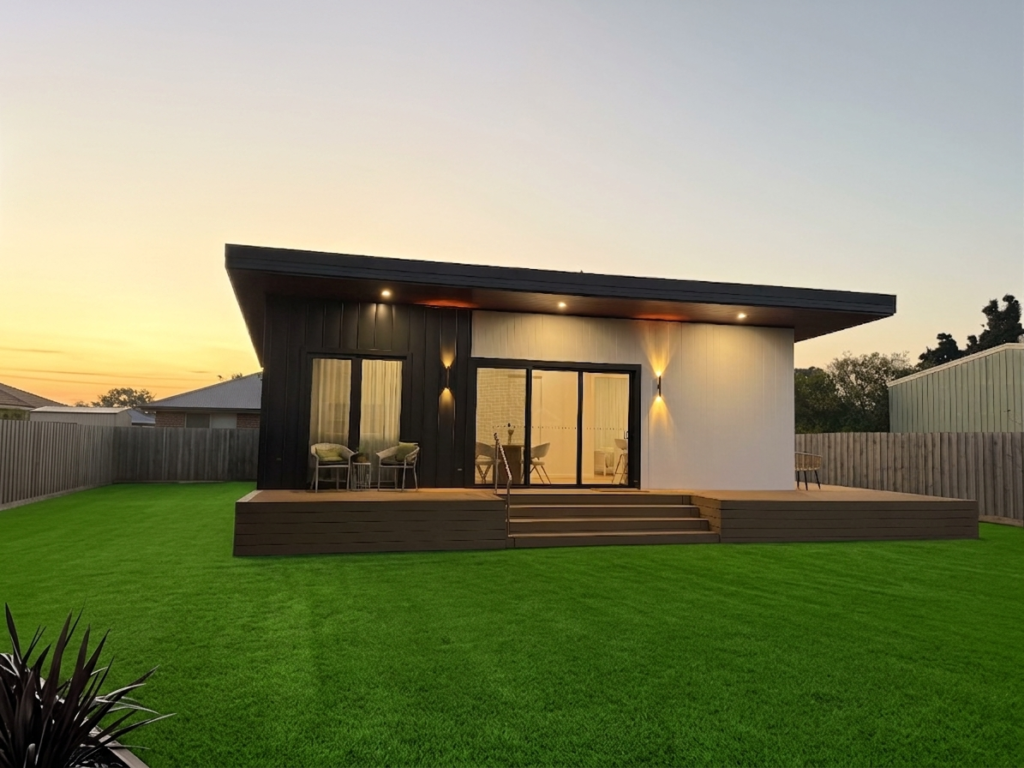
Without a separate meter, the secondary dwelling’s electricity consumption is measured on the primary dwelling’s meter. The homeowner then pays the combined bill and either absorbs the cost or tries to split it with the tenant informally.
This creates several problems. Informal utility cost splitting is difficult to enforce under a lease. Tenants cannot enter into their own retail electricity contracts without their own meter, which means they cannot access competitive market rates or government concessions tied to their account. And as a landlord, charging a tenant for utility usage beyond the amount included in the rent requires specific metering arrangements under the Residential Tenancies Act 1997 (Vic).
A separate meter solves all of these problems. The tenant gets their own electricity account. They pay their own usage directly to their chosen retailer. The homeowner’s electricity bill reflects only the primary dwelling’s consumption. Both parties are clear on their obligations from the first day of the tenancy.
The Two Main Options for Metering a Granny Flat in Victoria
There are two main approaches to metering a secondary dwelling in Victoria, each with different costs, implications and applications.
A separate NMI meter. An NMI (National Metering Identifier) meter is a fully independent electricity connection with its own unique identifier in the national metering database. The secondary dwelling has its own street address-linked electricity account, its own meter box and its own connection to the electricity distribution network. The tenant can choose any electricity retailer independently of the homeowner.
This is the cleanest and most recommended arrangement for secondary dwellings that will be rented to third-party tenants. It creates complete financial separation between the primary and secondary dwellings and removes the homeowner from the tenant’s electricity billing arrangement entirely.
A sub-meter. A sub-meter sits behind the primary dwelling’s NMI meter and measures the secondary dwelling’s consumption separately. The homeowner receives a single bill from their retailer covering both dwellings and then invoices the tenant for the sub-metered usage.
Sub-metering is a simpler and cheaper installation option than a separate NMI connection. However, it requires the homeowner to manage the on-charging of electricity costs to the tenant and places specific obligations on the homeowner under the National Energy Retail Law and the Residential Tenancies Act regarding how they charge for utility usage.
How to Get a Separate Meter Installed in Victoria
For a new NMI connection on a secondary dwelling in Victoria, the process runs as follows.
Your licensed electrician applies to your local electricity distributor for a new connection. In Melbourne, the distributor is typically AusNet Services, United Energy, Jemena, Powercor or CitiPower depending on your suburb. The distributor assesses the connection application and advises on the technical requirements for the meter box, switchboard and service connection.
Your electrician completes the required electrical work, which typically includes installing a new meter box at the secondary dwelling, wiring a dedicated switchboard and confirming the service connection point meets the distributor’s requirements.
The distributor installs the NMI meter, typically a smart meter in Victoria following the state’s smart meter rollout. The secondary dwelling is then registered in the national metering database with its own NMI identifier.
The tenant or the homeowner contacts a retail electricity provider to open an account on the new NMI.
For all-electric G-Flat™ builds under Victoria’s 2026 requirements, the electrical setup needs to accommodate the all-electric appliance load including the reverse cycle split system, induction cooktop, electric hot water system and any additional circuits specified in the Luxe or Signature packages.
What a Separate Electricity Meter Costs for a Granny Flat in Victoria
The cost of a separate NMI electricity connection for a secondary dwelling in Victoria varies depending on the distance from the primary dwelling’s existing service connection, the specific distributor and the technical requirements of the installation.
As a general guide, a straightforward new NMI connection for a secondary dwelling within a standard distance of the existing service point typically costs between approximately $2,000 and $5,000 for the electrical work and the distributor connection fee combined. More complex connections involving longer cable runs or switchboard upgrades at the primary dwelling can cost more.
All cost figures are indicative estimates based on current market conditions and should be independently verified with your licensed electrician and electricity distributor.
Sub-meter installations are generally less expensive than a separate NMI connection, typically between $500 and $1,500 for the sub-meter installation and associated electrical work, depending on the complexity of the existing switchboard setup.
How Innovista Handles Utility Connections in a G-Flat™ Build
Every Innovista G-Flat™ package includes connection of services from the primary dwelling to the secondary dwelling up to 10 metres as part of the fixed-price contract. This covers the electrical, water and communications conduit run from the primary dwelling’s service point to the secondary dwelling.
The separate NMI meter application and the tenant-facing electrical setup beyond the primary service connection are typically arranged by the homeowner after handover, in consultation with a licensed electrician. Our team can advise on the process and connect you with electricians experienced in secondary dwelling metering setups in Victoria.
For service connections beyond 10 metres from the primary dwelling, an additional charge of approximately $160 per metre applies and is confirmed at the site assessment stage. Our guide to granny flat cost Melbourne 2026 covers the full picture of what is included in the base price and what attracts additional costs.
Gas Connections and Victoria’s 2026 All-Electric Requirements
From 1 January 2024, new residential buildings in Victoria including secondary dwellings are not permitted to connect to the gas network. All new G-Flat™ builds are all-electric as a result. This means no gas cooktop, no gas hot water system and no gas heating in any new Innovista secondary dwelling.
The practical implication for utility setup is that the secondary dwelling’s utility connection is entirely electrical. There is no gas meter to arrange and no gas account for the tenant. The all-electric requirement actually simplifies the utility setup in this regard, reducing the number of separate utility accounts and connections the tenant needs to manage.
All five Innovista G-Flat™ floor plans across all four finish levels are built to the all-electric standard. You can see the full appliance and service specification for each package on our G-Flat™ page.
Utility Setup for Family Occupants Versus Tenants

The utility setup approach may differ depending on who will occupy the secondary dwelling.
For tenants, a separate NMI meter is strongly recommended. It gives the tenant independent access to the electricity market, removes the homeowner from the billing relationship and avoids the compliance complexities of on-charging utility costs under a lease. Before the tenancy starts, ensure you also have the right granny flat lease agreement in place covering the utility arrangement clearly.
For family members who will occupy the secondary dwelling, the arrangement is more flexible. Some families with parents or adult children in a G-Flat™ keep the utility billing on the primary dwelling’s account and treat the secondary dwelling’s consumption as a household shared cost. Others prefer a separate account to create cleaner financial separation between the two households. Either arrangement is practical for family occupants.
Frequently Asked Questions
Does a granny flat in Victoria need its own electricity meter? No, it is not a legal requirement. But for secondary dwellings rented to third-party tenants, a separate NMI meter is strongly recommended. It avoids utility billing complications under the Residential Tenancies Act and gives the tenant independent access to the electricity market.
Can my tenant choose their own electricity retailer without a separate meter? No. A tenant can only choose their own electricity retailer if the secondary dwelling has its own NMI meter registered in the national metering database. Without a separate NMI, the tenant must use whatever retail arrangement the homeowner has in place.
How long does it take to get a new NMI connection for a granny flat in Victoria? Timeframes vary by distributor and by the complexity of the connection. A straightforward new NMI connection typically takes between four and ten weeks from application to meter installation. Planning this before handover rather than after means the secondary dwelling is ready to rent from day one.
Is a sub-meter a compliant alternative to a separate NMI for a rental granny flat? Sub-metering is permitted for rental properties in Victoria subject to specific requirements under the National Energy Retail Law regarding how on-charged costs are calculated and disclosed. If you are considering sub-metering for a rental secondary dwelling, confirm the compliance requirements with a licensed electrician and review the relevant provisions of the Residential Tenancies Act before proceeding.
The Next Step
Getting the utility setup right for your G-Flat™ starts with getting the build right. Innovista offers a free site assessment where our team visits your property and walks you through the full picture of what is involved from build to handover and beyond.
Book your free site assessment here or contact us to start the conversation.