
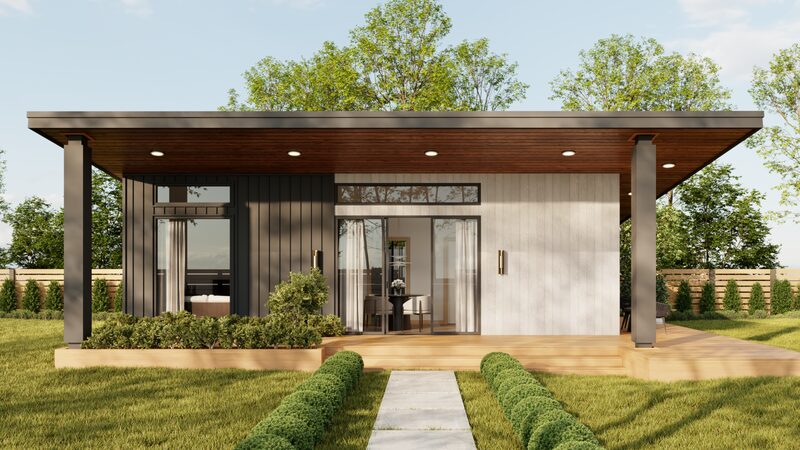
You have found the perfect spot for your new G-Flat™. Then your title search turns up an easement running straight through it. Suddenly, granny flat easements Melbourne homeowners thought were a formality become the biggest question in the whole project. The good news is that an easement rarely ends your plans. It usually just means a different starting point.
What Is an Easement, and Why Does It Matter for Your Build?
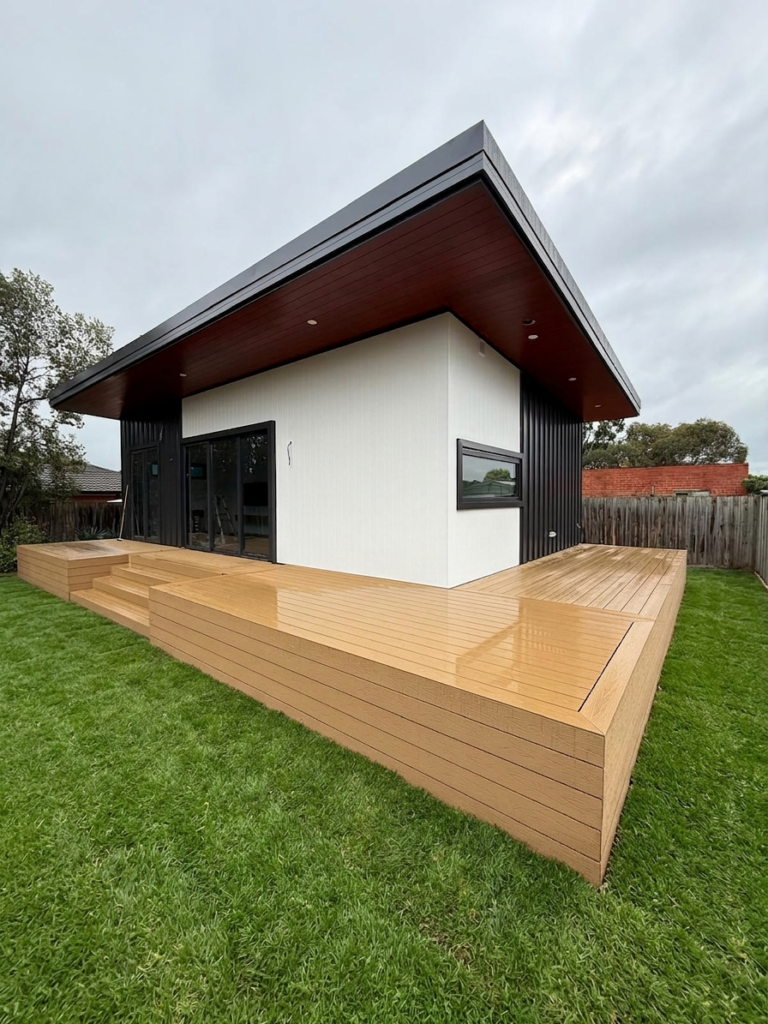
An easement is a legal right held by someone else, usually a water authority, energy provider or council. It lets them access part of your land for a specific purpose. Common examples include sewer mains, stormwater drainage and underground power lines. Because these services sit below or across your block, granny flat easements Melbourne authorities take seriously can limit where you build.
Importantly, an easement does not always show up on a casual walk around the yard. Instead, it appears on your Certificate of Title and the accompanying plan. That is why a proper title search granny flat Melbourne buyers rely on should happen early. Do it well before you fall in love with a floor plan.
Can You Build a Granny Flat Over an Easement?
This is the question every granny flat build over easement search is really asking. Sometimes, yes. However, it depends entirely on what the easement protects and who manages it. A sewer easement granny flat Victoria authorities oversee generally cannot be built over without written consent. Crews may need access for repairs at any time. A drainage easement secondary dwelling plans intersect with often carries similar restrictions, particularly if it handles stormwater from neighbouring properties.
That said, some easements allow light structures such as decking or landscaping. The surface must stay removable, and access must remain possible. Power and telecommunications easements tend to be more flexible. Even so, you will still need the relevant authority to confirm this in writing before construction begins.
The Approval Process, Step by Step
First, order a title search and easement plan for your property. Next, identify which authority manages each easement crossing your block. This might be a water corporation, an energy distributor or the local council. After that, submit a formal application requesting consent to build over or near the easement.
In many cases, the authority will ask for engineering drawings. These need to show exactly how your G-Flat™ sits relative to the pipe or cable. Consequently, this step often runs alongside your building permit application rather than before it. If consent is refused, you may need to relocate the easement. This typically costs an estimated $5,000 to $15,000, depending on complexity. Alternatively, you can reposition your design elsewhere on the block.
Why This Matters More Than Most Homeowners Realise
Anyone researching granny flat easements Melbourne wide will eventually hit this same reality. Established blocks are riddled with easements left over from decades of subdivision. As a result, this is one of the most common site blockers Innovista Group encounters during a free site assessment. Rather than treating an easement as bad news, think of it as useful information. It shapes a smarter design from day one.
Furthermore, easement rules interact closely with setback requirements. Both affect exactly where a granny flat can legally sit on your block. Understanding both together avoids costly redesigns later.
Choosing a Floor Plan That Works Around Restrictions
Fortunately, an easement along one boundary does not rule out a build altogether. Our G-Flat™ floor plans include compact and L-shaped configurations. These are designed to make the most of awkward or restricted blocks. The Lana 60 suits square, open backyards. Smaller sites often work better with a tighter footprint, positioned clear of any service corridor.
Get Clarity Before You Commit

Ultimately, the safest approach is to resolve any granny flat easements Melbourne question before you sign a contract. Our team reviews your title and easement plan as part of every consultation. That way, you know exactly what is possible on your land. You are also welcome to book a display to see finished G-Flats™ in person while we sort out the detail.
For an independent check, Victoria’s official land information service, Landata, lets homeowners order their own title and plan of subdivision.
Frequently Asked Questions
Do all easements stop you from building a granny flat? No. Many easements allow light structures, or even full builds, with written authority consent. This applies particularly to power or telecommunications lines rather than sewer or drainage mains.
How do I find out if my block has an easement? Order a title search and plan of subdivision through Landata. Alternatively, ask your builder to check this as part of an early site assessment.
What does it cost to relocate an easement? Costs vary by authority and complexity. Relocation typically runs to an estimated $5,000 to $15,000, so it is worth exploring a redesign first.
Does a drainage easement affect the whole block or just part of it? Usually just the strip of land it covers. The rest of your block may still offer plenty of room for a G-Flat™.