
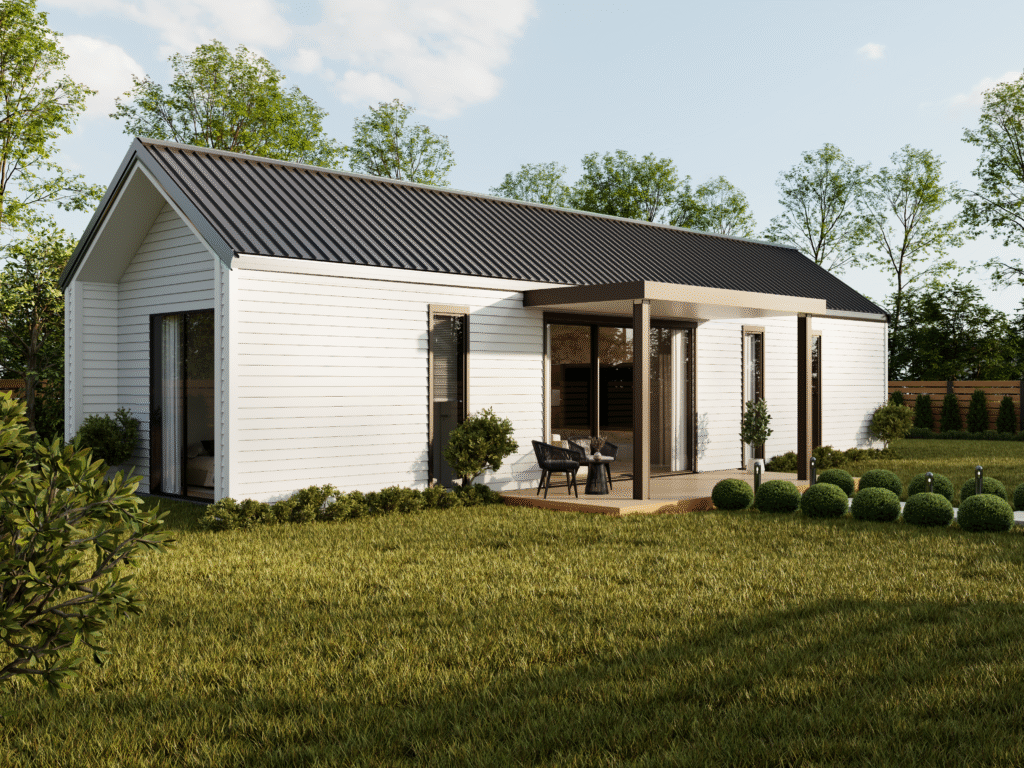
Energy efficiency represents a mandatory requirement for granny flats Melbourne following October 2023 Building Code changes. All new dwellings must achieve minimum 7-star NatHERS ratings demonstrating exceptional thermal performance. These requirements ensure comfortable indoor climates using minimal heating and cooling energy whilst reducing utility bills and meeting environmental goals.
The 7-star standard applies to building shell performance including roof, walls, windows, and floors. Additional Whole-of-Home requirements assess fixtures and appliances. This guide explains achieving superior energy performance for granny flats Melbourne.

Understanding 7-Star NatHERS Requirements
The Nationwide House Energy Rating Scheme measures how well dwellings maintain comfortable temperatures using minimal mechanical heating and cooling. The star rating scale ranges from 0 to 10 stars with higher ratings indicating better thermal performance.
A 7-star rated dwelling uses approximately 30 percent less energy than a comparable 6-star dwelling through comprehensive design considering orientation, insulation, glazing, shading, and ventilation.
NatHERS assessment occurs during design before construction. Licensed assessors use approved software analyzing the proposed design and modeling thermal performance across all seasons. The assessment produces a certificate showing the star rating confirming Building Code compliance.
This certificate is required for building permit applications. Obtaining NatHERS assessment costs approximately $400 to $800. Whole-of-Home energy budget assesses consumption from heating, cooling, hot water, lighting, and cooking whilst accounting for solar generation. Understanding building permits helps ensure energy assessments occur at appropriate stages.
Insulation Standards
Proper insulation prevents heat transfer through roofs, walls, and floors.
Ceiling insulation requires minimum R4.0 to R6.0 ratings in Melbourne’s climate. Bulk insulation batts installed above ceilings trap air creating thermal barriers. Higher R-values indicate better performance. Reflective foil sarking under roofing provides additional protection reflecting radiant heat.
Wall insulation typically requires R2.0 to R2.5 ratings depending on construction materials. Continuous coverage matters enormously. Gaps around windows, doors, and penetrations create thermal bridges. Quality builders seal all penetrations preventing air leakage.
Underfloor insulation on suspended floors prevents heat loss. Concrete slabs benefit from edge insulation around perimeters.
Proper insulation installation costs approximately $3,000 to $6,000 for 60m² granny flats delivering ongoing energy savings.
Window Performance and Glazing
Windows represent significant sources of heat gain in summer and heat loss in winter. High-performance glazing dramatically improves thermal efficiency.
Double glazing features two glass panes separated by air or gas-filled cavities creating insulating barriers. Double glazing reduces heat transfer by approximately 50 percent compared to single glazing improving comfort whilst reducing costs.
Melbourne’s climate benefits from double glazing on south and west-facing windows experiencing strongest sun exposure. North-facing windows capturing winter sun can sometimes use single glazing if appropriately shaded.
Low-E coatings applied to glass reflect infrared radiation whilst allowing visible light transmission. These coatings reduce heat gain in summer and heat loss in winter.
Window framing materials affect performance. Thermally broken aluminium, timber, or uPVC frames perform better than standard aluminium conducting heat readily.
Window sizing and placement balances natural light against thermal performance. External shading including eaves, pergolas, or blinds prevents summer sun whilst allowing low-angle winter sun. Properly designed shading represents cost-effective energy efficiency.
Double glazing adds approximately $3,000 to $6,000 for granny flats Melbourne delivering substantial energy savings. Understanding council requirements ensures window specifications meet regulations.
Heating and Cooling Systems
Efficient systems minimize energy consumption whilst maintaining comfort.
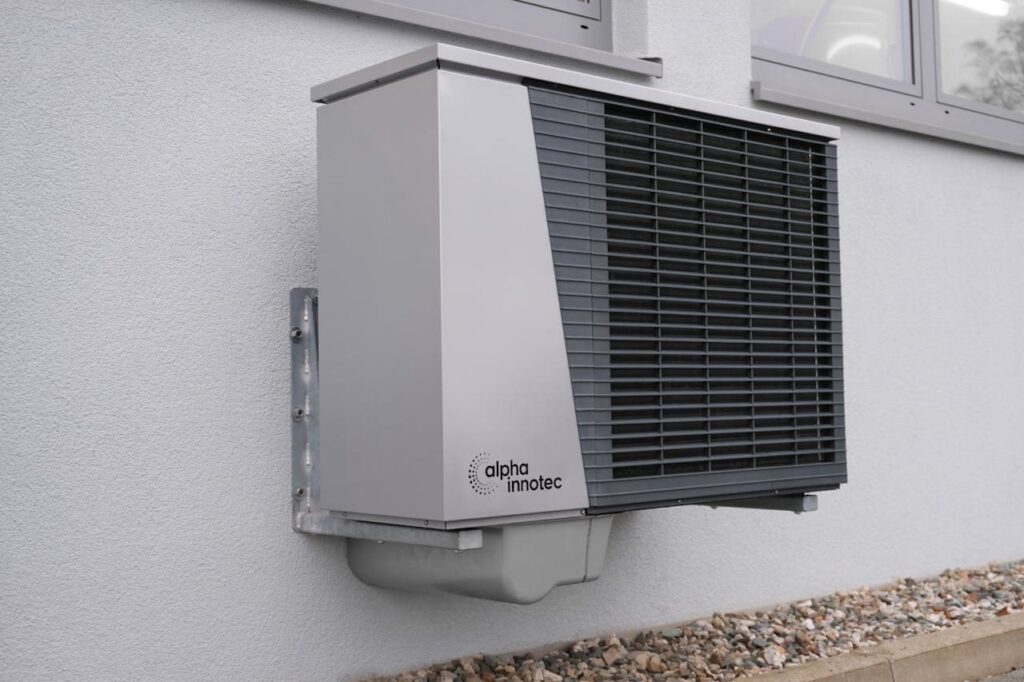
Heat pump systems represent the most energy-efficient technology. Heat pumps move heat rather than generating it through combustion achieving heating efficiency approximately 300 percent compared to standard electric heaters.
Reverse-cycle air conditioners function as heat pumps providing both heating and cooling. Quality inverter-controlled units adjust output matching demands preventing energy waste.
Split system installations cost approximately $2,000 to $4,000 per unit. Most granny flats require one or two units providing whole-dwelling climate control.
Ceiling fans promote air circulation improving comfort without mechanical cooling. Fans cost $200 to $500 installed providing cost-effective comfort improvements.
Passive ventilation using operable windows enables natural cooling through cross-ventilation. Melbourne’s cool nights allow overnight cooling purging heat accumulated during summer days.
Solar Panel Integration
Solar photovoltaic systems generate renewable electricity reducing grid consumption and ongoing costs.
Typical 3kW to 5kW solar systems suit granny flats generating approximately 12 to 20 kWh daily. This covers most or all electricity consumption when combined with energy-efficient design.
Solar installation costs approximately $3,000 to $6,000 for quality systems. Government incentives including Small-scale Technology Certificates reduce upfront costs by approximately $1,000 to $2,000.
Solar panels integrate naturally with energy-efficient design. Heat pumps operating during daytime hours align perfectly with solar generation maximizing self-consumption. Energy-efficient buildings require smaller solar systems achieving the same outcome as larger systems on inefficient buildings.
Battery storage systems cost approximately $8,000 to $12,000 providing energy storage for nighttime use representing optional additions.
Water Efficiency Features
Water efficiency complements energy efficiency creating sustainable granny flats.
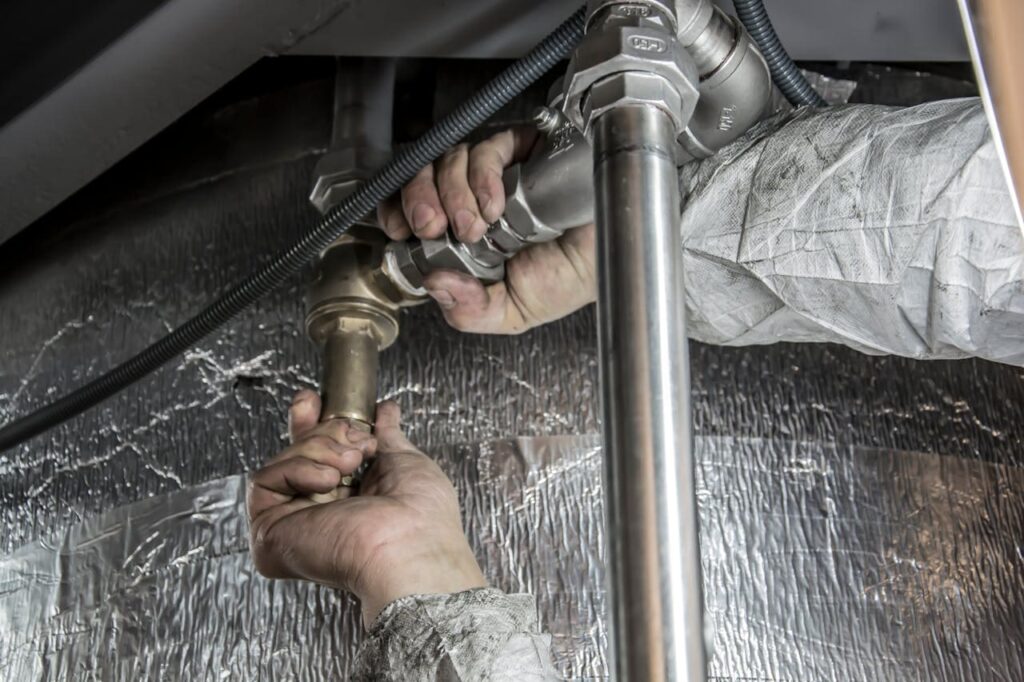
Water-efficient fixtures including WELS 4-star rated taps and showerheads reduce consumption without sacrificing performance. Low-flow fixtures cost similar to standard products making water efficiency cost-neutral.
Dual-flush toilets with 3-litre half-flush and 4.5-litre full-flush options dramatically reduce water consumption compared to older 11-litre single-flush toilets.
Rainwater tanks collecting roof runoff provide water for garden irrigation, toilet flushing, and laundry. Tanks ranging from 2,000 to 5,000 litres suit most installations costing approximately $1,500 to $4,000 installed.
Hot water heat pumps heat water using approximately 65 percent less energy than electric storage systems. Heat pumps cost $2,500 to $4,000 installed delivering substantial energy savings whilst meeting Whole-of-Home requirements.
Ready to build an energy-efficient granny flat? Contact us for 7-star NatHERS designs, or explore our projects showcasing energy-efficient construction.