
Melbourne homeowners building granny flats face a fundamental construction decision between prefabricated and custom-built approaches. Prefabricated granny flats are constructed predominantly in factory environments before delivery and installation. Custom-built granny flats are constructed entirely on-site using traditional methods. Both approaches deliver quality results when executed properly, but they differ significantly in timeline, cost, design flexibility, and quality control.
This guide compares prefabricated versus custom-built granny flats Melbourne across all major decision factors.
Timeline represents the most significant difference between prefabricated and custom-built granny flats Melbourne.
Prefabricated timeline: Total duration typically requires 12 to 16 weeks. Design and approvals take 4 to 6 weeks. Factory construction occurs concurrently with site preparation over 6 to 8 weeks. Installation requires 3 to 5 days. Final connections take 2 to 3 weeks.
The key advantage lies in concurrent work streams. Whilst the factory constructs components, site preparation progresses simultaneously.
Custom-built timeline: Traditional construction typically requires 20 to 28 weeks. Design and approvals take 3 to 4 weeks. Site preparation requires 2 weeks. Framing takes 3 weeks depending on weather. External work takes 3 weeks. Internal fitout requires 5 weeks. Final finishes require 3 weeks. Weather delays add 4 to 8 weeks.
Melbourne experiences approximately 140 days of rainfall annually. Rain delays concrete, prevents cladding installation, stops roofing, and interrupts painting. Understanding building permits helps minimize delays.
Prefabricated delivers 8 to 12 weeks faster completion. Custom builds carry significant weather uncertainty.
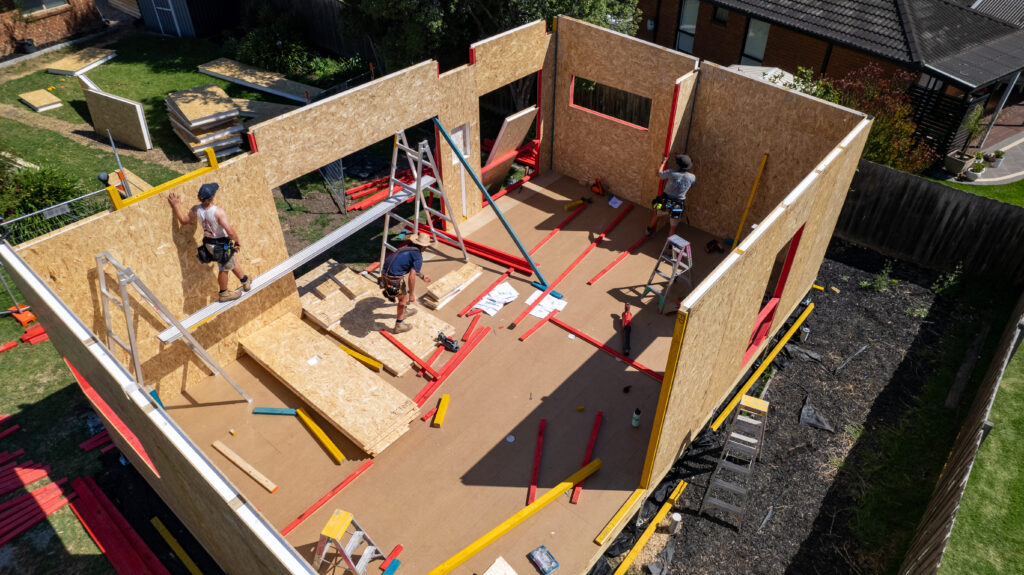
Quality control differs fundamentally between factory and site construction.
Prefabricated quality: Factory construction occurs in climate-controlled facilities with consistent lighting and proper tools. Tradespeople work in comfortable conditions without weather exposure. Assembly line processes ensure consistent techniques. Quality inspections occur at multiple stages. Materials remain dry and protected.
Modern prefabricated granny flats Melbourne achieve quality matching or exceeding site-built equivalents. The controlled environment eliminates variables causing quality issues including moisture damage, rushed work ahead of rain, improper storage, and worker fatigue.
Custom-built quality: Site construction quality depends on tradesperson skill, builder supervision, and weather cooperation. Excellent builders maintain high standards. However, site construction faces inherent variables.
Materials stored on-site risk moisture damage. Framing exposed to rain can warp. Rushed work ahead of forecast rain sometimes compromises quality. Limited winter lighting affects precision.
Prefabricated delivers more consistent quality through environmental control. Custom builds can achieve excellent quality but face inherent variables.
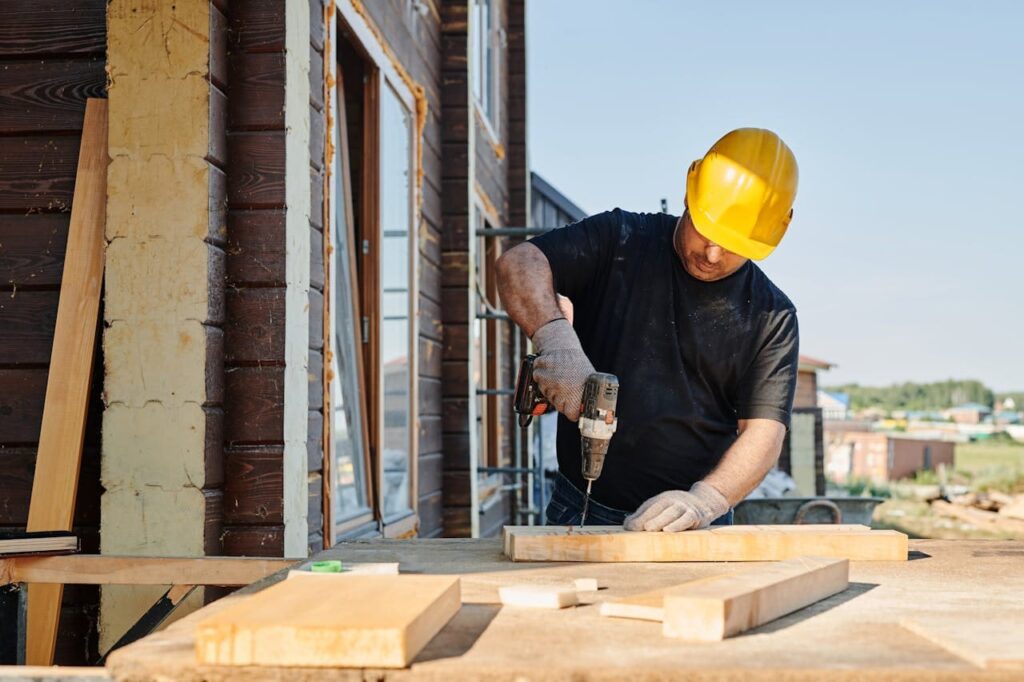
Cost differences between prefabricated and custom-built granny flats Melbourne are often smaller than expected when comparing equivalent specifications.
Prefabricated pricing: Quality packages with complete inclusions typically cost $190,000 to $255,000 for 50 to 60m² dwellings. This includes design, approvals, factory construction, transportation and crane installation, site preparation, service connections, landscaping, and certifications. Fixed pricing provides cost certainty with no variation surprises.
Factory construction achieves some efficiencies through bulk material purchasing, standardized processes, minimal waste, elimination of weather delays, and reduced supervision requirements. However, transportation costs and crane hire offset some savings.
Custom-built pricing: Traditional site construction for equivalent specifications typically costs $200,000 to $280,000. The higher range reflects potential variations from weather delays, material waste, additional supervision, and unforeseen site conditions.
Custom builds sometimes start with lower base quotes but variations and weather delays often push final costs above prefabricated equivalents. Understanding council requirements prevents costly approval delays.
Prefabricated offers fixed pricing typically $10,000 to $25,000 below custom equivalents with zero variation risk. Custom builds cost more and carry variation uncertainty.

Design flexibility represents custom construction’s primary advantage.
Prefabricated limitations: Factory construction works best with standardized rectangular floor plans. Most prefab builders offer several proven designs with limited modification options. Standard designs include 50 to 60m² area, rectangular footprints, standard 2.4 to 2.7 metre ceiling heights, fixed window locations, and predetermined finishes.
Modifications incur additional costs. Significant changes requiring custom moulds or altered manufacturing reduce prefab cost advantages. However, most families find standard designs meet needs well.
Custom-built freedom: Site construction enables complete design flexibility including irregular floor plans, varied ceiling heights, custom window placements, unique materials, integrated outdoor spaces, and architectural features matching the main house.
Custom design suits properties with unusual shapes, slopes requiring split-levels, heritage overlays, or families wanting architectural integration with existing dwellings.
Custom wins for unique requirements. Prefab excels when proven designs meet needs and speed and cost matter more.
Physical installation logistics differ dramatically between methods.
Prefabricated installation: Crane installation requires clear access from street to final position. Cranes need hard stand areas for pads, overhead clearance under power lines typically 8 metres minimum, side clearance of 3 metres, and turning space.
Properties with narrow access, low power lines, mature trees, or challenging terrain sometimes cannot accommodate cranes. Site assessment before committing to prefab prevents discovering access problems after factory construction begins.
Installation itself is fast. Crane places modules on foundations in 3 to 5 days. Subsequent weeks connect services and complete landscaping.
Custom-built requirements: Traditional construction needs only pedestrian access for materials and tradespeople. Materials arrive in smaller quantities that workers carry to the build location. This enables construction in locations inaccessible to cranes including narrow passages, areas behind established gardens, sloped sites, and properties under flight paths.
Prefab requires specific crane access. Custom works anywhere pedestrians and materials can reach, enabling construction on challenging sites impossible for prefab.
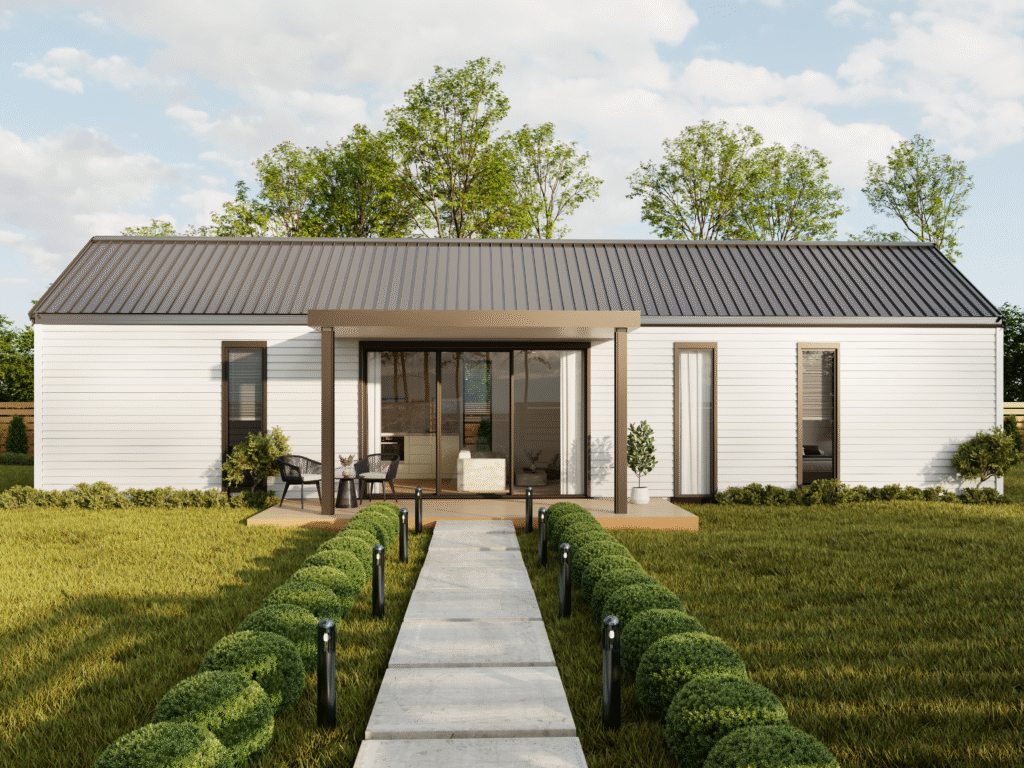
Long-term performance depends primarily on construction quality and materials rather than construction method.
Quality prefabricated granny flats Melbourne builders construct using identical materials as site-built equivalents. Structural framing, insulation, cladding, roofing, windows, and internal finishes all meet the same Building Code standards regardless of construction location. Factory construction may improve long-term performance through materials never experiencing weather exposure before installation.
Both methods achieve identical energy efficiency, structural durability, and maintenance requirements when built to equivalent specifications. The construction method itself does not determine quality. Builder reputation, material specifications, and construction standards matter far more than whether construction occurs in a factory or on-site.
Ready to select the construction method matching your requirements? Contact us for site-specific recommendations, or explore our projects showcasing both prefabricated and custom-built outcomes.
Download our in-built 25 page “Ultimate Guide to Granny Flats in Victoria (2025 Edition)” to unlock expert insights, design tips, planning advice & construction costs to build your perfect Granny Flat. Get your free copy instantly – just enter your details below.