
You’ve found the perfect block in Wyndham’s newest estate. 700m², excellent location, good sun. The sales agent mentioned “standard covenants” but nothing sounded concerning. You paid the deposit and started planning.
Then your conveyancer discovers a registered restrictive covenant prohibiting “any dwelling other than one single private residence.” Your dual-income property cannot legally accommodate a secondary dwelling.
Restrictive covenants affect roughly 60-80% of properties in Melbourne’s growth corridors (Wyndham, Casey, Melton, Whittlesea). These private agreements restrict how you can develop your land, often prohibiting secondary dwellings entirely. For anyone planning to build a granny flat, covenant checks prove essential.
Here’s what restrictive covenants are, how they differ from planning controls, which Melbourne areas have them, and how to check before investing.
A restrictive covenant is a private written agreement registered on property titles limiting land use or development. Unlike planning controls (which councils enforce), covenants are private agreements between landowners. More information is available from the Department of Transport and Planning’s Restrictive Covenants webpage.
Covenants originate when developers subdivide estates, placing restrictions on each lot. Common restrictions include single dwelling only (prohibiting granny flats), building materials requirements, minimum dwelling sizes, and setback requirements.
The critical point is covenants are permanent private agreements. Councils don’t create or enforce them. Other lot owners who benefit from the covenant (typically neighbours) can enforce restrictions through legal action if you breach it.
Planning permission doesn’t override restrictive covenants.
Victoria’s Planning and Environment (Restrictive Covenants) Act 2000 explicitly states planning permits cannot authorise covenant breaches. Even if councils approve your planning permit, a single dwelling covenant still prohibits the build.
Councils don’t automatically check restrictive covenants because they aren’t parties to private agreements. You can receive full approval and start construction before discovering a covenant blocks everything.
If neighbours discover you’re building in breach, they can seek Supreme Court injunctions. The 1998 Luxury Developments v Banyule case saw a developer face injunctions and liquidation after building in breach of covenants despite having planning approval.
Covenant checks must happen before planning applications.
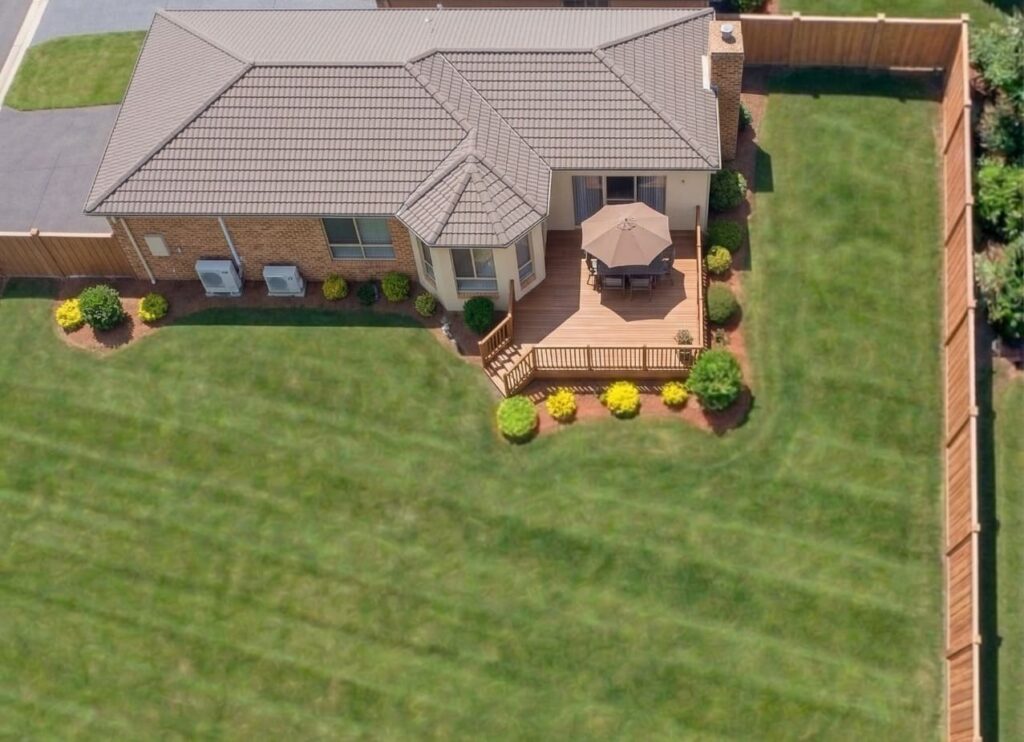
Single dwelling covenants prove most problematic for anyone wanting to build a granny flat, typically stating “no more than one dwelling” or “single private residence only.”
The wording matters. “No more than one dwelling” clearly prohibits secondary dwellings. “One detached dwelling house” might allow a connected structure, though this requires legal interpretation.
Melbourne’s growth corridor estates (developed post-2000) commonly include these restrictions. Wyndham, Casey, Melton, Truganina, and Clyde North frequently impose them.
Older established suburbs less commonly have covenants because subdivisions occurred before developers routinely imposed them.
Section 173 agreements (under the Planning and Environment Act 1987) differ from restrictive covenants but create similar restrictions.
Section 173s are statutory agreements between councils and landowners, usually imposed during planning permits. These might prohibit subdivision or limit dwelling numbers. Unlike covenants (which lot owners enforce), councils enforce Section 173s.
Section 173 agreements occasionally prohibit anyone wanting to build a granny flat where councils approved initial permits subject to single dwelling restrictions.
Growth corridor estates show highest prevalence. Industry estimates suggest 60-80% of properties carry restrictive covenants in:
High covenant areas: Wyndham (Truganina, Tarneit, Point Cook), Casey (Clyde North, Cranbourne), Melton (Melton South, Rockbank), Whittlesea (Mernda, Doreen), Hume (Craigieburn).
Low covenant areas: Inner Melbourne, older industrial conversions, infill sites.
Subdivision age proves the best indicator. Post-2000 estates almost universally include covenants. Pre-1990 subdivisions rarely have them.
Before purchasing or committing to granny flat designs, check your property title.
Order a title search through Land Victoria showing registered covenants. Title searches cost approximately $30 and provide definitive records. The title references covenant dealing numbers if restrictions exist.
Request covenant documents using dealing numbers. These cost an estimated $30-50 per document and contain full restriction text.
Engage a conveyancer or solicitor to interpret ambiguous wording. Legal interpretation typically costs an estimated $300-800 depending on complexity.
Check during property purchase by ensuring your Section 32 vendor statement includes covenant copies. Vendors must disclose registered covenants.
Many builders include preliminary title checks in consultations, identifying covenant restrictions before design work.
Technically yes, practically difficult and expensive.
Removal requires unanimous consent from all benefited lot owners or Supreme Court application under Section 84 of the Property Law Act 1958.
Unanimous consent proves impossible on large estates. Even 10-20 lot estates struggle getting every owner to agree.
Supreme Court applications cost an estimated $10,000-$50,000+ depending on whether owners contest.
Success rates remain low. The 2022 Jeshing case saw the Supreme Court reject varying a Toorak covenant from one to five dwellings.
For properties with covenants blocking secondary dwellings, removal generally proves uneconomical.
If title searches reveal covenants prohibiting secondary dwellings, you face limited options.
Accept the restriction and abandon plans if you’ve already purchased. Some discover covenants after settlement, making properties unsuitable for dual-income purposes.
Negotiate purchase price reductions if you discover covenants during due diligence before settlement. Properties with restrictions carry less development potential.
Walk away from the purchase if covenants fundamentally conflict with your plans. Losing your deposit proves cheaper than owning property you cannot develop as intended.
The lesson? Check for restrictive covenants before purchasing. For anyone wanting to build a granny flat in Melbourne’s growth corridors, covenant searches prove as essential as building inspections.
Ready to check whether your property carries restrictive covenants? Contact us for preliminary title review identifying restrictions before you invest in design work.
Download our in-built 25 page “Ultimate Guide to Granny Flats in Victoria (2025 Edition)” to unlock expert insights, design tips, planning advice & construction costs to build your perfect Granny Flat. Get your free copy instantly – just enter your details below.