
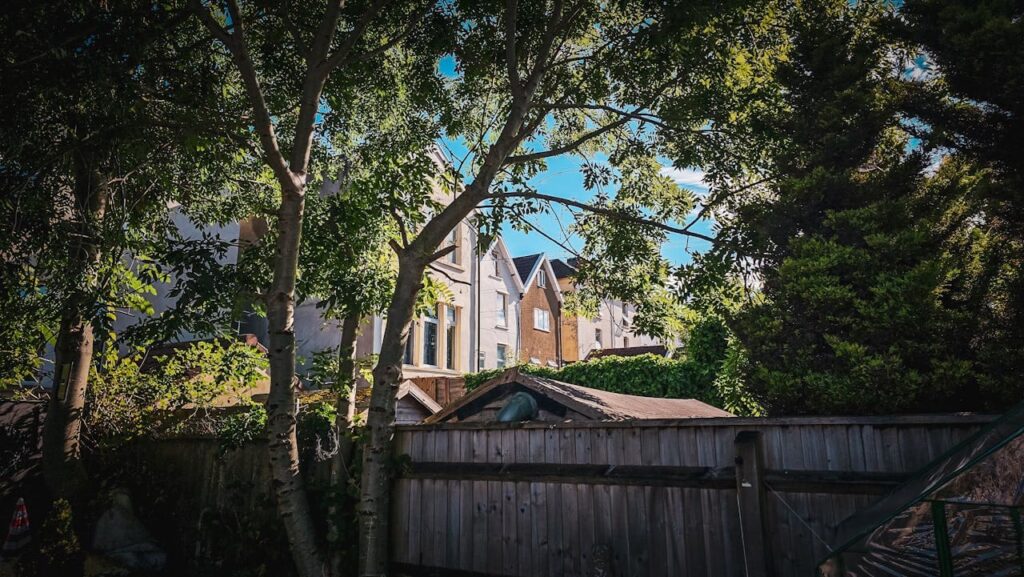
Melbourne properties often feature established trees providing shade, privacy, and environmental value. When planning to build a granny flat, these trees sometimes sit exactly where optimal building locations would be. The question becomes: can you remove them, must you protect them, or can you design around them? The answer depends on tree size, species, council regulations, and whether trees have formal protection status.
Understanding tree protection requirements before designing your granny flat layout prevents expensive redesigns when councils reject plans or arborist reports reveal trees you assumed removable actually have protection. This guide explains exactly which trees Melbourne councils protect, what removal costs versus protection costs, and how to determine the most cost-effective approach for your specific property.
Which Trees Melbourne Councils Protect
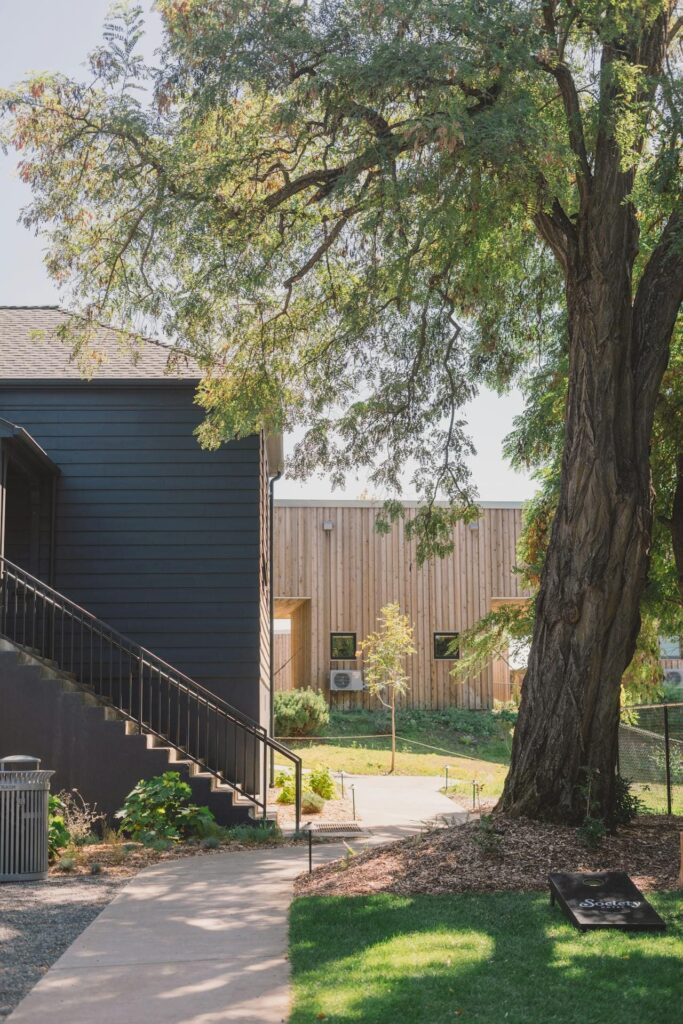
Not every tree faces protection. Understanding what triggers protection helps you assess whether your trees create design constraints or removal is straightforward.
Significant trees (highest protection level):
- Mature native species over 10 metres height
- Trees listed on council significant tree registers
- Trees in heritage overlay areas
- Trees with trunk circumference exceeding thresholds (varies by council, typically 1.0m+ at 1m height)
- Rare or endangered species regardless of size
Trees requiring permits for removal:
- Trees over 8 metres height (most Melbourne councils)
- Trees in certain zoning overlays (vegetation, environmental)
- Multiple trees even if individually undersized
- Trees on boundary lines (require neighbour agreement)
Trees you can typically remove without permits:
- Trees under 3-4 metres height
- Declared pest species (certain willows, some acacias)
- Dead or dangerous trees (with arborist certification)
- Trees specifically planted as screens (not self-sown)
Council variations: Inner Melbourne councils (Yarra, Port Phillip, Boroondara) protect more trees with stricter regulations. Growth corridor councils (Casey, Wyndham, Cardinia) have more permissive approaches. Check your specific council requirements before assuming removal is straightforward.
Tree Protection Zones (TPZs) and Building Constraints
When trees have protection status, councils mandate Tree Protection Zones preventing construction within calculated distances.
TPZ calculation method: Standard formula is trunk diameter (measured at 1.4m height) × 12 = TPZ radius in metres. A tree with 500mm trunk diameter has 6-metre TPZ radius, creating a 12-metre diameter no-build zone.
What you cannot do within TPZs:
- Excavate or disturb soil
- Store materials or machinery
- Drive vehicles or equipment
- Change ground levels
- Construct buildings or structures
- Install services or utilities
Practical implications: A single protected tree with 8-metre TPZ diameter consumes 50m² of buildable area. On a 600m² block, this represents 8% of total land. If that tree sits centrally in your backyard where granny flats typically locate, it forces building repositioning, design changes, or expensive protection measures.
TPZ modifications possible: Qualified arborists can certify reduced TPZs using specialized construction methods:
- Pier and beam foundations avoiding bulk excavation
- Directional drilling for services
- Tree-sensitive construction techniques
- Root barrier installations
These modifications cost $8,000-$15,000 but allow building closer to protected trees than standard TPZs permit.
The True Cost of Tree Removal
Removing protected trees requires council permits and specialized contractors. Understanding complete costs helps you evaluate removal versus protection.
Tree removal cost breakdown:
| Tree Size | Removal Cost | Stump Grinding | Permit Application | Total Cost |
|---|---|---|---|---|
| Small (under 8m) | $800-$1,500 | $200-$400 | Not required | $1,000-$1,900 |
| Medium (8-15m) | $1,500-$3,500 | $300-$600 | $500-$1,200 | $2,300-$5,300 |
| Large (15-25m) | $3,500-$8,000 | $500-$1,000 | $800-$2,000 | $4,800-$11,000 |
| Very large (25m+) | $8,000-$15,000 | $800-$1,500 | $1,500-$3,000 | $10,300-$19,500 |
Hidden removal costs:
- Arborist reports justifying removal: $600-$1,200
- Replacement tree planting (often required): $500-$2,000 per tree
- Landscape restoration: $2,000-$5,000
- Delays if council rejects removal applications: 6-12 weeks
Replacement planting requirements: Most councils require planting 2-3 new trees for each significant tree removed. Trees must be minimum 2-metre height at planting, costing $400-$800 each plus installation.
Total removal cost reality: Removing one large protected tree including permits, removal, replacement planting, and delays costs $8,000-$15,000 and adds 8-12 weeks to project timelines.
Designing Around Protected Trees

Sometimes designing granny flats around protected trees costs less than removal whilst maintaining tree amenity.
Design strategies accommodating trees:
Repositioning buildings: Moving buildings 2-3 metres from optimal positions costs nothing in construction but requires accepting compromised orientations or reduced yard space. Compare this to $10,000+ removal costs.
Modified footprints: L-shaped or irregular granny flat footprints working around TPZs add $3,000-$6,000 in design and construction costs but eliminate removal requirements.
Elevated construction: Pier and beam foundations elevating buildings above tree roots cost $8,000-$12,000 more than slabs but allow building within reduced TPZs whilst protecting roots.
Service relocation: Running plumbing and electrical services around TPZs using directional boring costs $2,000-$4,000 versus standard trenching but avoids root damage.
Strategic window placement: Designing windows and outdoor areas to utilize tree shade and privacy reduces cooling costs whilst making trees features rather than obstacles.
When Tree Removal Makes Financial Sense
Despite environmental preferences for retention, some situations make removal the most cost-effective approach.
Trees in critical locations: When protected trees sit in the only viable building location on constrained blocks, removal costs less than compromised designs reducing livability or rental appeal.
Trees with limited remaining lifespan: Old trees nearing natural end-of-life will eventually require removal. Removing now during construction avoids future removal disrupting established rental properties or causing building damage.
Dangerous or structurally compromised trees: Trees with decay, structural defects, or poor branch unions pose risks. Arborist certification of danger often expedites removal permits.
Trees causing existing building damage: Roots damaging main house foundations or services strengthen removal applications. Document existing damage with engineer reports.
Multiple small trees versus one optimal design: Sometimes 3-4 smaller trees collectively compromise design more than their individual protection value justifies. Councils often approve removal of multiple smaller trees if offset by larger replacement planting.
Arborist Reports: Essential Documentation
Whether seeking removal permits or designing around trees, qualified arborist reports prove essential.
What arborist reports provide:
- Species identification and health assessment
- Accurate TPZ calculations
- Structural stability evaluation
- Retention value assessment (ecological, amenity, historical)
- Removal justification if applicable
- Protection measures during construction
- Replacement planting recommendations
Report costs: $600-$1,500 depending on property size and tree quantity. Reports remain valid 12-18 months for council applications.
When reports are required:
- All removal applications for protected trees
- Building within 10 metres of protected trees
- Any construction affecting trees in heritage overlays
- Subdivisions or major developments
Choosing arborists: Use Australian Qualification Framework (AQF) Level 5 qualified arborists for council reports. Cheaper “tree loppers” without qualifications produce reports councils reject.
Council Application Process for Tree Removal
Understanding the approval process helps you plan realistic timelines when removal is necessary.
Application requirements:
- Qualified arborist report
- Site plan showing tree locations
- Proposed replacement planting plan
- Justification statement
- Application fee ($500-$2,000 depending on council)
Timeline expectations:
- Application lodgement to council acknowledgment: 5-10 days
- Council assessment period: 30-60 days
- Neighbour notification period: 14-21 days
- Potential objection resolution: +30-90 days if objections received
- Total process: 60-180 days in complex cases
Approval likelihood varies: Applications citing dangerous trees or building impossibility succeed 70-80% of the time. Applications for convenience or aesthetic preferences face 40-50% approval rates.
Appeal options: Rejected applications can appeal to VCAT, adding 3-6 months and $3,000-$8,000 in legal costs. Many applicants instead redesign around trees rather than pursuing appeals.
Construction Phase Tree Protection Requirements
Even when building away from protected trees, construction activities require formal protection measures.
Physical protection barriers: Fencing at TPZ boundaries preventing accidental encroachment. Barriers must be minimum 1.8m height, highly visible, and inspected by council-appointed arborists pre-construction.
Prohibited activities within TPZs:
- Material storage
- Vehicle access
- Equipment operation
- Soil compaction
- Chemical storage or washdown
- Fuel storage
Violations and penalties: Damaging protected trees during construction results in $5,000-$20,000 council fines plus compensation requirements. Serious damage can halt construction entirely pending assessments.
Arborist supervision: Some councils require arborist site visits during critical construction phases (excavation, service installation) costing $800-$1,500 total.
Making Your Decision: Remove vs Protect
Every property presents unique circumstances. This decision framework helps you evaluate what works best.
Choose removal when:
- Trees sit in only viable building locations
- Trees are dangerous or diseased (certified by arborist)
- Protection costs exceed removal + replacement by $5,000+
- Trees have limited aesthetic or environmental value
- Removal approval likelihood is high (75%+)
Choose protection when:
- Trees provide significant shade or privacy value
- High-quality specimens worth preserving
- Removal approval unlikely
- Design modifications accommodate trees reasonably
- Protection costs under $8,000
Neutral scenarios requiring calculation:
- Protection costs $8,000-$12,000 versus removal at $10,000-$15,000
- Moderate retention value trees
- Design compromise acceptable but not ideal
- Uncertain removal approval
Your Next Steps for Tree Management
Whether removing or protecting trees, early planning prevents expensive surprises mid-project.
Get professional assessment: Book a free site assessment where we’ll evaluate tree locations, recommend qualified arborists, and suggest design approaches accommodating or working around trees.
Engage arborists early: Before finalizing granny flat designs, get arborist reports clarifying protection requirements or removal feasibility.
Explore design alternatives: Contact Innovista Group to discuss how custom design can work with tree constraints, potentially saving removal costs whilst maintaining tree amenity.
Budget realistically: Factor tree removal ($3,000-$15,000) or protection measures ($5,000-$12,000) into project budgets from the start.
Ready to navigate tree challenges on your property? Our experience designing around Melbourne’s tree protection requirements helps you achieve optimal granny flat outcomes whilst respecting environmental values and council regulations. Trees don’t have to prevent building granny flats—they just require informed planning and realistic cost expectations.