

Search “granny flat builders near me” and you’ll find companies claiming to service your suburb from offices 80-150 kilometres away. They advertise “servicing all Melbourne areas” whilst operating from Geelong, Ballarat, or regional centres. The problem isn’t that they can’t physically reach your suburb; it’s that distance creates delays, increases costs, and reduces accountability when problems emerge requiring immediate attention.
Understanding what genuinely local means versus companies stretching service areas beyond sustainable limits helps you select builders who’ll remain responsive throughout construction and warranty periods. This guide explains exactly why builder proximity matters, what hidden costs distance creates, and how to identify truly local operators versus those marketing local presence they don’t actually maintain.
Why Builder Distance Actually Matters
Many people assume builder location is irrelevant if they’re willing to travel. However, distance creates practical problems affecting your project timeline, costs, and long-term support.
Site visit frequency and quality: Local granny flat builders Melbourne teams visit sites multiple times weekly, catching issues early when they’re easily fixed. Distant builders stretch site visits to minimise travel, allowing problems to compound before detection.
Emergency response capability: Storms, vandalism, or urgent issues requiring immediate builder presence get resolved within hours by local teams. Distant builders can’t respond until the next scheduled site visit, potentially 3-7 days later. Water leaks, security breaches, or safety hazards sitting unaddressed for days cost thousands in damage.
Supplier relationships and material delivery: Local builders maintain relationships with nearby suppliers enabling rapid material delivery when issues arise. Distant builders order materials shipped long distances, creating delays when replacements or additional items are needed.
Council liaison effectiveness: Builders familiar with your specific council’s building surveyors, processes, and preferences navigate approvals more smoothly. Distant builders treat all councils identically, missing opportunities for efficient communication with local authorities.
Warranty service response: When issues emerge 2-3 years post-construction requiring warranty attention, local builders schedule visits within days. Distant builders batch warranty calls, making you wait until they accumulate several jobs in your area.
The Hidden Costs Of Distance

Beyond convenience, distance creates measurable financial impacts on your granny flat investment.
Travel time charges disguised as “project management”:
| Builder Location | Travel to Your Site | Billable Travel Hours | Annual Cost (40 visits) |
|---|---|---|---|
| Within 15km | 15-20 mins each way | 0 hours | $0 |
| 40-60km away | 45-75 mins each way | 2 hours per visit | $8,000-$12,000 |
| 80-120km away | 90-150 mins each way | 4 hours per visit | $16,000-$24,000 |
Distant builders build travel costs into quotes but rarely itemise them transparently. You’re paying for their commute without realising it.
Delayed issue resolution extends timeline: When problems require builder decisions or additional work, local teams address them within 24-48 hours. Distant teams wait until their next scheduled visit (often weekly or fortnightly), extending your timeline 5-10 days per issue. Three such delays add 2-4 weeks to construction, costing lost rental income or temporary accommodation expenses.
Material delivery complications: Distant builders often source materials near their office rather than your site. Delivering 80km means higher freight costs passed to you, plus delays when urgent replacements are needed.
Subcontractor coordination challenges: Quality granny flat builders use reliable local subcontractors who they work with repeatedly. Distant builders coordinate trades across wide geographic areas, reducing schedule reliability and quality control.
Google Maps Deception: The “Near Me” Problem
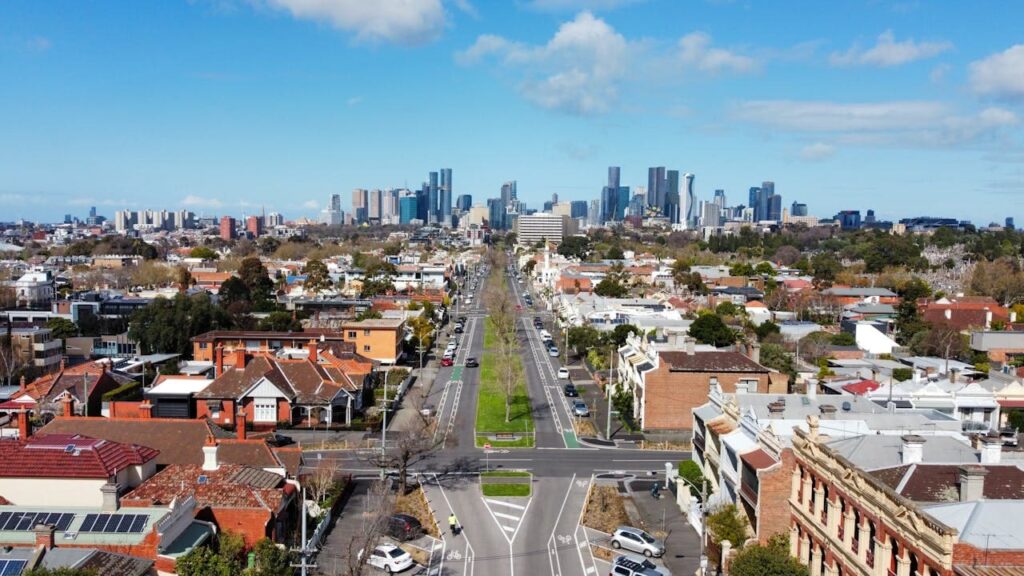
Search engine results for “granny flat builders near me” don’t always show truly local businesses. Understanding how builders manipulate local search results helps you identify genuine proximity.
Service area targeting: Builders register Google Business Profiles claiming service areas covering entire Melbourne. Google’s algorithm treats them as local to everywhere they list, despite physical offices being 100km+ from your suburb.
Multiple business names: Some operators register separate business names in different councils, creating the illusion of local presence. Investigation reveals all businesses operate from a single distant location.
Sponsored ads versus organic results: Paid Google Ads don’t require local presence. Builders from anywhere in Victoria can advertise to your specific suburb whilst having zero local operations.
How to identify genuine local presence:
- Visit the Victorian Building Authority website and verify business registration addresses
- Request to visit their office or showroom before signing contracts
- Ask for recent completed projects within 10km of your property
- Verify local supplier relationships (ask which supplier they use for materials)
The “Servicing All Melbourne” Red Flag
When granny flat builders Melbourne companies advertise “servicing all Melbourne suburbs,” investigate what this actually means operationally.
Realistic service areas for quality builders: Companies maintaining genuine local presence typically focus on areas within 30-40km radius. This allows multiple daily site visits, rapid response to issues, and cost-effective operations.
When “all Melbourne” works: Large-volume builders with multiple offices and teams across Melbourne genuinely service wide areas. However, they’re rare in the granny flat sector where most builders are smaller operations.
When “all Melbourne” creates problems: Single-office operators claiming to service areas 60-100km+ from their base spread resources too thin. Site visit frequency drops, communication suffers, and quality control weakens.
Questions revealing actual service capacity:
- How many active projects do you currently have in my suburb?
- Which other suburbs within 10km have you recently completed work?
- How many site visits per week do you typically make to projects?
- What’s your typical response time for urgent issues?
- Can I visit your office and meet the team?
Builders truly local to your area answer these confidently. Those stretching service areas hesitate or provide vague responses.
The Display Home Proximity Test

Visiting display homes or completed projects reveals whether builders genuinely operate locally.
What genuine local presence looks like: Builders with display homes or completed projects within 15km of your property demonstrate sustained local activity. They’ve navigated your local council’s processes, built relationships with nearby suppliers, and understand area-specific challenges.
Red flags indicating stretched service areas:
- All display homes located 50km+ from your suburb
- Cannot provide any completed projects within 20km
- Completed projects clustered in one distant area
- Reluctance to facilitate visits to local projects
The granny flat showroom near me test: Physical showrooms require genuine commitment to an area. Builders operating from home offices or distant locations lack this permanent local presence.
At Innovista Group, our Bayswater North location provides genuine proximity to Eastern and Southeastern Melbourne councils where we concentrate operations. We don’t claim to service areas we can’t support properly.
Council-Specific Expertise Advantages
Local builders develop deep familiarity with specific council requirements, preferences, and processes that distant operators lack.
Knowing building surveyors personally: Regular interaction with your council’s building surveyors creates working relationships facilitating smoother inspections and faster issue resolution. Distant builders submit plans to councils they’ve never worked with, creating unnecessary friction.
Understanding local soil conditions: Melbourne’s soil types vary dramatically suburb to suburb. Local builders know whether your area has reactive clay, rock, or unstable fill, adjusting foundation designs accordingly. Distant builders approach every site generically, discovering problems during construction that locals prevent during design.
Established permit approval pathways: Councils each have unwritten preferences about application format, supporting documentation, and communication style. Local builders learn these through repeated interaction. Distant builders submit applications requiring multiple resubmissions for minor formatting issues locals avoid instinctively.
Melbourne area-specific challenges:
- Western suburbs: Reactive clay soils requiring specific engineering
- Eastern suburbs: Heritage overlays and strict design guidelines
- Bayside: Coastal salt exposure and wind loading requirements
- Northern growth corridors: New estates with restrictive covenants
- Southeastern suburbs: Bushfire overlay complexities
Understanding these before quoting prevents expensive variations distant builders discover mid-project.
What Questions Reveal True Local Presence
When evaluating potential builders, these questions expose whether they maintain genuine local operations versus marketing local presence from distant locations.
“Where exactly is your office, and can I visit?” Genuine local builders welcome office visits. Those operating remotely or from distant locations make excuses.
“How many projects have you completed in [specific neighbouring suburbs]?” If they’ve only done 1-2 projects across multiple nearby suburbs, they’re not genuinely local to your area.
“Which building surveyors do you typically work with at my council?” Local builders name specific surveyors by name. Distant operators can’t because they’ve never interacted with them.
“What local suppliers do you use?” Local builders specify nearby suppliers they’ve built relationships with. Distant operators use generic supplier names or admit they transport materials long distances.
“What’s your current workload within 20km of my property?” If they have 3-5+ active projects nearby, they’re genuinely local. If they struggle to name any, they’re not.
“How quickly can someone visit my site if urgent issues arise?” Local teams commit to same-day or next-day response. Distant operators hedge with “within a few days” or “on our next scheduled visit.”
The True Value Of Genuine Local Presence

Beyond avoiding distance costs and delays, truly local granny flat builders deliver intangible benefits affecting long-term satisfaction.
Community reputation: Local builders depend on reputation within specific communities. They can’t disappear after poor work because neighbours, councils, and suppliers all know them. This accountability ensures quality.
Long-term availability: When warranty issues emerge years later, local builders remain accessible. Companies that swept through your area briefly may have moved on or ceased operations.
Knowledge sharing: Local builders who’ve completed multiple projects in your suburb understand what rental markets want, which upgrades work, and which councils require. This intelligence helps you make smarter investment decisions.
Established trade relationships: Local subcontractors working repeatedly for the same builder deliver more consistent quality than distant builders constantly sourcing new trades in unfamiliar areas.
Your Next Steps To Finding Genuinely Local Builders
Distance affects every aspect of your granny flat project from initial quoting through long-term warranty support.
Verify physical proximity: Contact Innovista Group and visit our Bayswater North location. See our operations firsthand rather than relying on website claims.
Request local references: Ask for 3-5 completed projects within 15km of your property. Drive past them, assess quality, and ideally speak with owners about their experience.
Understand service area focus: Book a free site assessment and ask directly about our current workload in your area. We’re transparent about where we focus operations.
Evaluate council-specific experience: Ensure builders understand your council’s specific requirements, not just generic Victorian building codes.
Ready to work with builders genuinely local to your area? Our focus on Eastern and Southeastern Melbourne councils means we’re not trying to service everywhere. We concentrate where we can deliver exceptional service and maintain the rapid response times, cost efficiency, and council relationships that make projects succeed. Melbourne families deserve builders who are actually near them, not just claiming to be.