
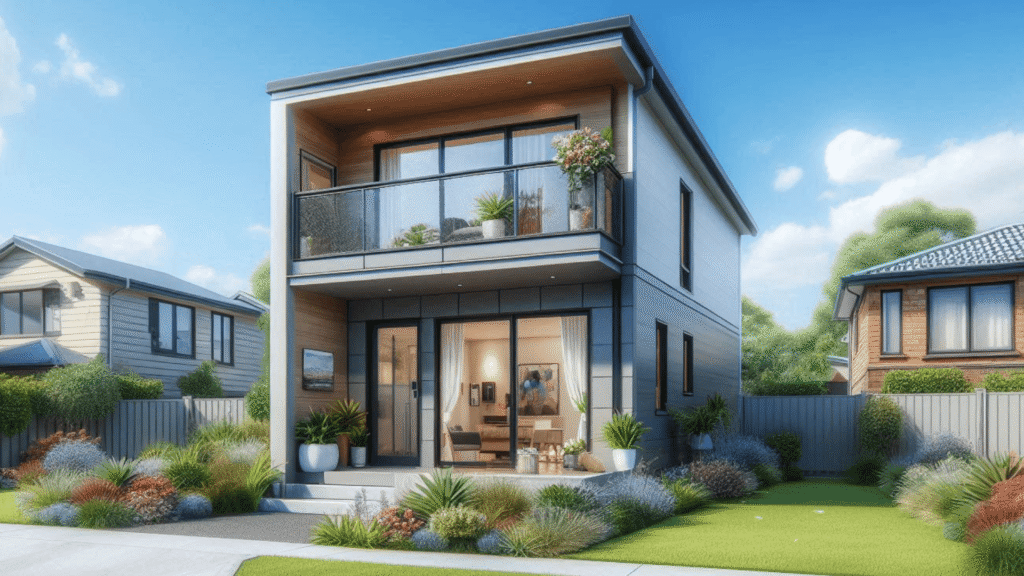
Victorian planning regulations treat two storey granny flat construction fundamentally differently from single-level builds. While many single-storey granny flats under 60m² avoid planning permit requirements entirely, double-storey secondary dwellings almost universally trigger permit requirements regardless of total floor area. This distinction adds $8,000-$13,000 to project costs and extends timelines 8-16 weeks, making vertical construction significantly more complex than horizontal alternatives.
Understanding exactly what planning authorities assess, which objections commonly arise, and how to structure applications maximizing approval likelihood helps you navigate the process successfully. This guide explains Melbourne’s two storey planning requirements, council-specific variations, and strategies preventing the delays and rejections affecting approximately 35% of vertical granny flat applications.
Why Two Storey Always Requires Planning Permits
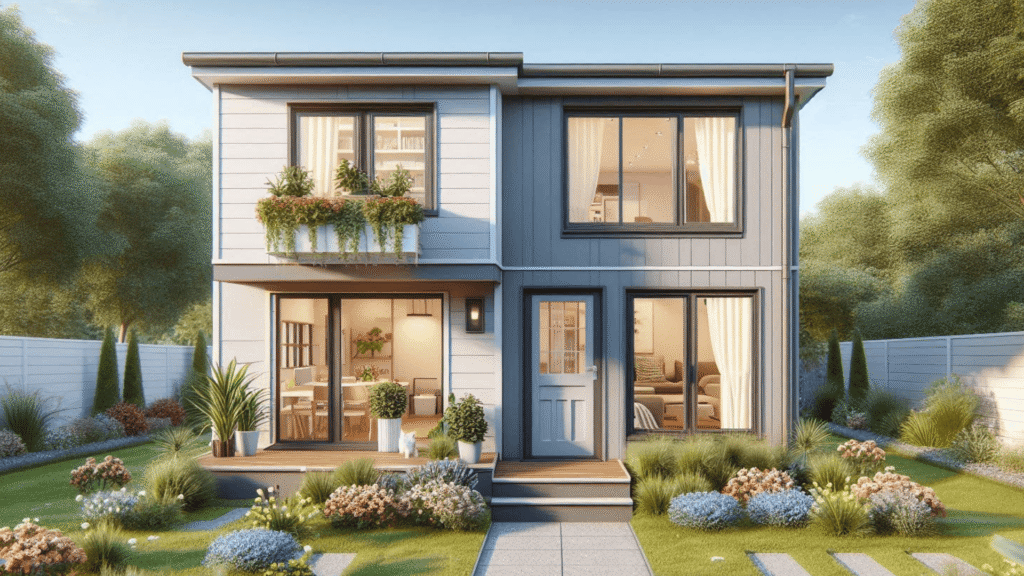
The planning permit exemption that benefits many single-storey granny flats explicitly excludes buildings exceeding single-storey height.
The legal distinction: Victorian planning schemes exempt secondary dwellings under specific conditions including “no more than one storey.” The moment you add a second level, exemptions vanish regardless of total floor area, setbacks, or other compliance factors.
What this means practically: A 40m² two storey granny flat (20m² per level) requires full planning permits despite being smaller than many exempt 60m² single-storey builds. Height, not size, triggers the requirement.
No council exceptions: Some property owners assume growth corridor councils with developer-friendly reputations might exempt small two storey builds. They don’t. Planning permit requirements for vertical construction apply universally across Melbourne’s 31 councils.
The cost and timeline impact:
| Requirement | Single-Storey (Often Exempt) | Two Storey (Always Required) | Additional Cost/Time |
|---|---|---|---|
| Planning permit application | Not required | Required | +$2,500-$4,000 |
| Neighbour notification | Not required | Required | 14-21 days |
| Planning consultant | Optional | Recommended | +$2,500-$4,500 |
| Shadow diagrams | Not required | Required | +$800-$1,500 |
| Additional design detail | Standard | Enhanced | +$2,000-$3,000 |
| Total additional costs | $0 | $7,800-$13,000 | – |
| Timeline addition | 0 weeks | 8-16 weeks | – |
Understanding these unavoidable costs helps you evaluate whether two storey benefits justify the complexity compared to single-level alternatives.
What Planning Authorities Actually Assess

Planning permits for two storey granny flat projects face scrutiny across multiple assessment criteria.
Neighbourhood character and visual impact: Councils evaluate whether two storey construction respects established neighbourhood patterns. In areas dominated by single-storey homes, vertical granny flats sometimes face character-based objections.
Overshadowing analysis: Winter solstice shadow diagrams showing impacts on neighbouring properties are mandatory. If shadows significantly affect neighbour’s living areas or yards during midday winter hours, councils often refuse permits or require design modifications.
Overlooking and privacy: Windows or balconies allowing direct views into neighbouring properties create privacy concerns. Planning authorities require:
- Obscure glazing on windows facing neighbours
- Window sills 1.7m+ above floor levels
- Privacy screens on balconies blocking sightlines
- Strategic window positioning avoiding direct overlooking
Setback compliance: While single-storey builds often work with minimum setbacks, two storey construction sometimes faces increased setback requirements. Inner Melbourne councils particularly enforce this, demanding 4-6 metres from boundaries where single-storey requires 1-2 metres.
Building height limits: Most residential zones limit building heights to 9-11 metres. Two storey granny flats typically reach 6-7 metres, well within limits. However, sloping sites sometimes create compliance challenges when measured from natural ground level.
Car parking provision: Some councils assess parking requirements more strictly for two storey dwellings, particularly in congested inner suburbs. Demonstrating adequate on-site parking becomes critical.
Common Objection Sources and Prevention
Neighbour objections represent the primary cause of planning permit delays and refusals for two storey granny flat applications.
Typical objection content:
- “The two storey building will overlook our yard/bedroom/living areas”
- “Winter shadows will affect our outdoor spaces and solar panels”
- “The height is out of character with surrounding single-storey homes”
- “Increased density will create parking problems”
- “Construction noise and disruption for extended periods”
Prevention strategies that work:
Pre-application neighbour consultation: Visiting adjacent properties 2-3 weeks before lodging applications, explaining designs, and addressing concerns proactively reduces formal objections dramatically. Offering design modifications addressing specific concerns (relocating windows, adding screens) often prevents objections entirely.
Strategic design choices: Positioning upper-level bedrooms rather than living areas, using high-sill windows limiting views whilst maintaining light, and incorporating generous privacy screens shows consideration for neighbours.
Professional shadow analysis: Rather than basic council-required diagrams, commissioning detailed shadow analysis showing minimal actual impact helps counter perception-based objections. Demonstrating that shadows primarily affect applicant’s own property rather than neighbours weakens objection credibility.
Written neighbour agreements: If able to secure written neighbour support before application lodgement, councils view applications much more favourably. Even neutral statements (“we don’t object”) significantly improve approval likelihood.
Council-Specific Two Storey Policies

Melbourne’s 31 councils interpret two storey secondary dwelling applications with varying strictness.
Most supportive councils:
- Casey, Cardinia, Wyndham (growth corridors embrace density)
- Frankston (pragmatic approach to development)
- Melton (developer-friendly policies)
These councils approve 70-80% of well-designed two storey applications on first submission.
Moderate approach councils:
- Whitehorse, Monash, Knox (established suburbs, balanced policies)
- Kingston, Bayside (quality-focused but not restrictive)
- Maroondah, Manningham (case-by-case assessment)
These councils approve 50-65% of applications, with modifications often required for approval.
Most restrictive councils:
- Boroondara (strict character protection)
- Stonnington (design quality expectations high)
- Yarra, Port Phillip (heritage and character concerns)
- Nillumbik, Yarra Ranges (neighbourhood character protection)
These councils approve only 35-50% of two storey applications, often after significant design modifications or reductions to single storey.
Check your specific council’s approach before investing in two storey design. Some councils effectively discourage vertical secondary dwellings through strict application of character and amenity policies.
Timeline Reality: From Application to Approval

Understanding realistic timelines helps you plan appropriately rather than relying on best-case scenarios.
Standard processing timeline:
- Application lodgement and acknowledgement: 5-7 days
- Completeness check and additional information requests: 10-14 days
- Neighbour notification period: 14-21 days
- Objection period closes: Day 14-21
- Council assessment (no objections): 30-45 days
- Council assessment (with objections): 60-90 days
- Planning committee hearing (if required): +30-60 days
Best case (no objections): 60-75 days from lodgement to decision
Typical case (minor objections): 90-120 days from lodgement to decision
Complex case (significant objections): 150-180+ days including potential VCAT appeals
What delays approval:
- Neighbour objections requiring mediation
- Requests for design modifications
- Additional information requirements
- Heritage or environmental overlays
- Planning committee scheduling delays
Experienced granny flat builders Melbourne teams factor realistic timelines (12-16 weeks) into project scheduling rather than optimistic 8-week assumptions.
Design Modifications That Improve Approval
Certain design choices dramatically increase approval likelihood whilst maintaining functionality.
Setback generosity: Exceeding minimum setbacks by 0.5-1.0 metres shows consideration for neighbours and addresses bulk/scale concerns. This costs minimal usable space but significantly improves approval prospects.
Roof design for shadow reduction: Skillion roofs sloping away from boundaries reduce overshadowing compared to gable or hipped roofs. The difference in shadow impact often determines approval versus refusal.
Window positioning strategy: Locating upper-level windows on elevations facing applicant’s own property rather than neighbours eliminates primary objection sources. Clerestory windows provide light without overlooking.
Balcony alternatives: Ground-level courtyards or decks avoid upper-level balcony overlooking concerns entirely. If balconies are essential, fixed 1.8m+ privacy screens become mandatory.
Material and colour selection: Using materials and colours matching surrounding homes reduces character impact concerns. Contemporary designs with dark cladding in traditional brick suburbs face harsher assessment than sympathetic material choices.
When VCAT Appeals Make Sense
Victorian Civil and Administrative Tribunal (VCAT) appeals offer recourse when councils refuse permits, but involve significant additional costs and time.
VCAT appeal costs:
- Application filing: $1,000-$2,000
- Planning consultant representation: $3,000-$8,000
- Legal representation (if required): $5,000-$15,000
- Additional reporting: $1,000-$3,000
- Total VCAT costs: $10,000-$28,000
VCAT timeline: 3-6 months from filing to hearing and decision
Success rates: Approximately 40-50% of appealed refusals result in approval (often with modifications). This means 50-60% fail even at VCAT, wasting appeal costs.
When appeals make sense:
- Refusal based on minor technicalities addressable through modifications
- Strong precedent of similar approvals in the area
- Neighbour objections based on misunderstandings rather than genuine impacts
- Property value justifies appeal investment (land worth $800,000+)
When to abandon and redesign:
- Fundamental character or amenity concerns
- Multiple substantial neighbour objections with merit
- Heritage or environmental constraints
- Council decision well-reasoned and modification-resistant
Alternative: Single Storey with Clever Design
Before committing to two storey complexity and costs, evaluate whether single-storey alternatives deliver adequate space.
Compact 2-bedroom single-storey: Well-designed 55-60m² single-level granny flats accommodate 2 bedrooms, full kitchen/living, and bathroom whilst avoiding planning permits entirely (in most councils).
Split-level designs: On sloping blocks, split-level construction (3-4 steps between zones) creates separation and interest without triggering two storey regulations or permits.
Clever space planning: High ceilings (2850-3000mm), open-plan layouts, and built-in storage maximize perceived space in compact single-level footprints.
Cost comparison:
- Two storey 70m² with permits: $265,000 + $8,000-$13,000 permits + 12-16 weeks delays
- Single-storey 60m² exempt from permits: $230,000, no permit delays, faster to market
For investment properties, the faster time-to-rental-income often outweighs extra floor area advantages.
Your Next Steps To Two Storey Planning Success
Two storey granny flat planning requires specialized expertise beyond standard construction knowledge.
Pre-design planning assessment: Book a free site assessment where we’ll evaluate your property’s two storey approval likelihood, identify potential objection sources, and suggest design strategies maximizing success.
Neighbour consultation planning: We’ll help you develop communication strategies addressing neighbour concerns before formal applications, dramatically reducing objection likelihood.
Council-specific experience: Contact Innovista Group to discuss our experience with your specific council’s two storey policies and recent approval patterns.
Compare alternatives: Review whether single-storey designs deliver adequate space without planning complexity and costs.
Ready to navigate two storey planning successfully? Our experience with vertical granny flat permits across Melbourne’s diverse councils helps you achieve approval whilst managing realistic costs and timelines. We know which councils support two storey development, which modifications prevent objections, and when single-storey alternatives deliver better overall outcomes. Melbourne families deserve honest guidance about planning realities before investing in designs facing uncertain approval prospects.


