
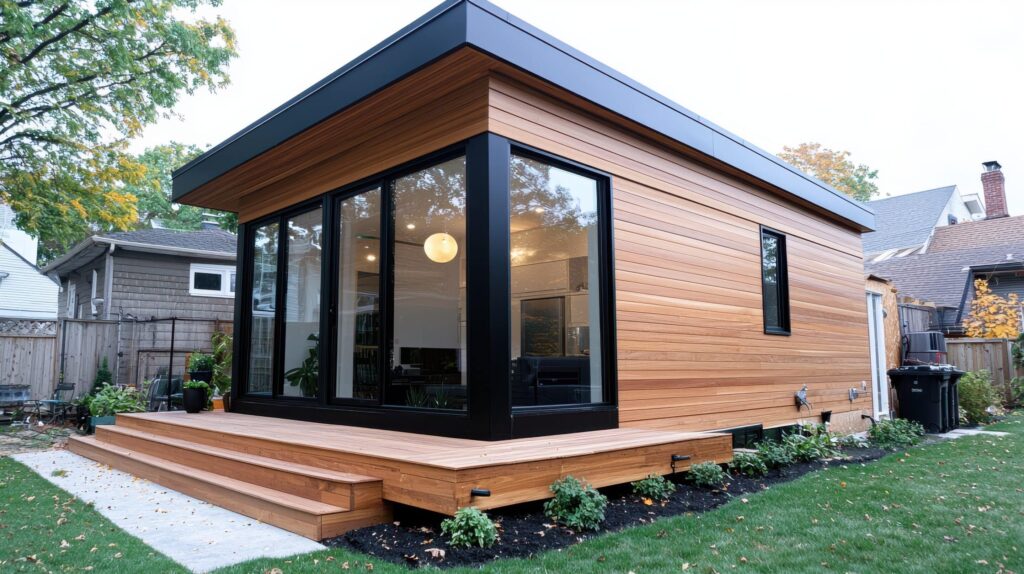
Does your property share a driveway, fence line or common garden with the estate around it? If so, you may have an owners corporation attached to your title, even without a strata plan. This surprises many homeowners exploring granny flat owners corporation Victoria rules for the first time. Most assume an OC only applies to apartment blocks. The good news is that an OC does not automatically block a build. It simply adds an extra step most freehold owners never have to think about.
What Is an Owners Corporation, and How Is It Different From Strata?
An owners corporation, sometimes still called a body corporate, manages shared assets across a group of properties. Strata title splits a building into separate legal lots. An OC on a freehold property is different again. It usually exists because your block shares a driveway, easement or piece of common land with neighbours. As a result, body corporate secondary dwelling questions come up constantly in newer estates across Melbourne’s growth corridors.
Importantly, this is a genuinely different situation to strata. You own your land outright. However, the OC still holds rules that can affect what you build, how it looks and where it sits.
What Do OC Rules Actually Allow?
Understanding granny flat owners corporation Victoria rules starts with the OC’s registered rule book. These vary significantly between estates. Some focus purely on shared driveways and fencing. Others include design guidelines covering external colours, roof pitch or even secondary dwellings specifically. Consequently, granny flat strata rules Victoria homeowners assume apply everywhere do not always transfer directly to an OC arrangement.
Before you commit to a floor plan, request a copy of your OC rules. Your managing agent can supply these, or you can obtain them through a title search. Look specifically for any clause mentioning secondary dwellings, granny flats or additional structures. If nothing is mentioned, that is often good news. Still, it is worth confirming in writing.
Getting Owners Corporation Granny Flat Approval

In many cases, owners corporation granny flat approval simply means notifying the OC committee. You confirm your build does not encroach on common property or breach an existing covenant. Some OCs require a vote at a general meeting. This applies particularly where the rules reserve approval rights for new structures.
Therefore, it pays to start this conversation early, ideally before you finalise a design. Delays here rarely come from refusal. Instead, they come from homeowners contacting their OC too late, after contracts are already signed.
How OC Rules Interact With Planning Requirements
Remember that OC rules granny flat Melbourne homeowners must satisfy sit on separate legal grounds to your planning approval. Meeting Victoria’s small second dwelling planning provisions does not automatically satisfy your OC rules. Equally, clearing your OC does not remove the need for a building permit. Both processes run in parallel. A good builder manages them together rather than treating them as separate hurdles.
How Innovista Group Handles OC Approvals
Established estates around Wyndham, Casey and Hume raise granny flat owners corporation Victoria questions often. Checking this is a routine part of our site assessment process. We check your title, flag any owners corporation involvement early, and help you prepare whatever documentation your OC committee needs. This sits alongside other title checks we run, including easements and any registered restrictions on your land.
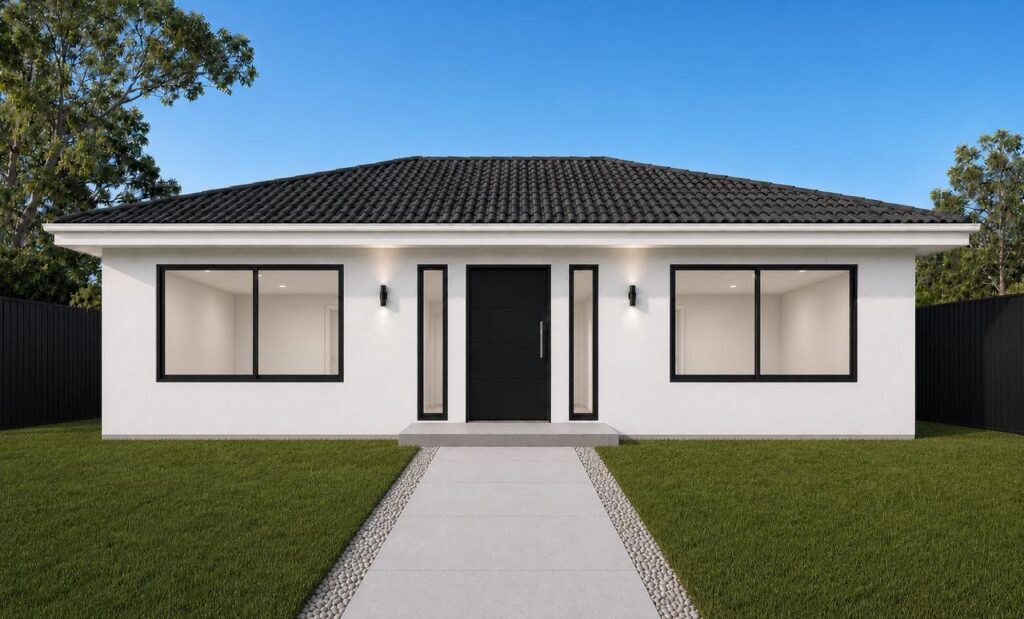
Once your OC position is clear, choosing between our floor plans becomes much simpler. You already know what design constraints, if any, apply. Many OC estates favour a compact, low-profile build such as the Lana 43. It sits comfortably within typical shared-driveway setbacks.
Talk to Us Before You Talk to Your OC

If you are unsure whether your property raises granny flat owners corporation Victoria issues, contact Innovista Group for a check. Getting this right from the outset avoids awkward conversations with neighbours later. It also keeps your project moving on schedule.
For general guidance on owners corporation rights and obligations in Victoria, Consumer Affairs Victoria publishes a clear overview for homeowners.
Frequently Asked Questions
Is an owners corporation the same as strata title? No. Strata title splits a building into separate lots. An OC on a freehold property usually manages shared assets like a driveway or common land, without subdividing your title.
Do I need OC approval to build a granny flat in Victoria? For most granny flat owners corporation Victoria questions, the answer depends on your specific rule book. Only if your rules specifically require it.
Can an owners corporation refuse a granny flat outright? It depends on the rules registered against your OC. Most focus on shared property and appearance rather than banning secondary dwellings altogether.
Who do I contact to get a copy of my OC rules? Your managing agent, if one is appointed. Otherwise, request them through a title search alongside your Certificate of Title.