
Melbourne homeowners planning granny flats encounter confusing energy requirements: “7-star NatHERS rating” and “Whole-of-Home score of 60.” Many assume achieving 7-star thermal performance satisfies all energy regulations. This misunderstanding causes building permit rejections, expensive redesigns, and frustrated families discovering compliance gaps weeks into projects.
Since National Construction Code 2022 took effect in Victoria (May 2024), when you build a granny flat in Melbourne you must satisfy TWO separate energy assessments: 7-star minimum thermal rating measuring building shell performance AND Whole-of-Home score minimum 60 measuring appliance energy consumption. These requirements work together but assess completely different aspects.
Understanding what each rating measures, how they differ, achieving compliance strategies, and solar offset calculations prevents permit delays when you build a granny flat in Melbourne.
Here’s everything about 7-star thermal versus Whole-of-Home ratings, appliance selection impacts, offsetting with solar PV, and compliance costs.
7-Star NatHERS Thermal Rating Explained

What thermal rating measures: NatHERS (Nationwide House Energy Rating Scheme) thermal rating assesses building shell performance keeping indoor temperatures comfortable using minimal heating/cooling energy. This evaluates design elements, not appliances.
Assessment factors: Orientation and solar access (north-facing living areas capture winter sun), insulation quality (R-values for walls, ceilings, floors), glazing performance (window size, placement, double-glazing specifications), thermal mass (materials storing/releasing heat), air sealing (preventing drafts through gaps), shading devices (eaves, pergolas preventing summer heat gain).
Assessors use NatHERS-accredited software (FirstRate5, BERS Pro) analyzing floor plans, specifications, and climate zone data (Melbourne = Climate Zone 6) predicting annual heating/cooling energy requirements.
Star scale interpretation: 0 stars = no thermal protection (internal temperature matches external), 7 stars = minimum legal requirement Victoria (approximately 20-25% less heating/cooling energy than 6-star), 10 stars = exceptional performance requiring minimal mechanical heating/cooling year-round.
When you build a granny flat in Melbourne, 7-star minimum applies regardless of size. Even compact 40m² granny flats must meet this standard. Understanding insulation requirements becomes critical for thermal compliance.
Common thermal compliance strategies:
Orientation optimization: Position living areas/bedrooms north-facing where possible. North windows capture winter sun, reducing heating loads. South-facing windows minimize summer heat gain.
Small blocks with limited orientation flexibility require compensating measures (higher insulation, better glazing). When planning small block granny flats, thermal performance challenges increase.
Insulation upgrades: Minimum Melbourne specifications typically require R4.0-R5.0 ceiling insulation, R2.5-R3.0 wall insulation, R2.0 floor insulation (if timber/suspended floors). Higher star ratings demand exceeding minimums.
Double glazing: Single-glazed aluminum windows struggle achieving 7-star compliance in Melbourne’s climate. Double-glazing with low-E coatings dramatically improves thermal performance. Cost premium approximately $3,000-$6,000 for typical 60m² granny flat but often necessary for compliance.
Thermal mass integration: Concrete slab floors, internal brick walls storing daytime heat releasing overnight. Particularly effective in Melbourne’s diurnal temperature variations.
Assessment costs: NatHERS thermal assessment by accredited assessors costs approximately $400-$800 depending on granny flat complexity. This certificate accompanies building permit applications.
Whole-of-Home Energy Budget Explained
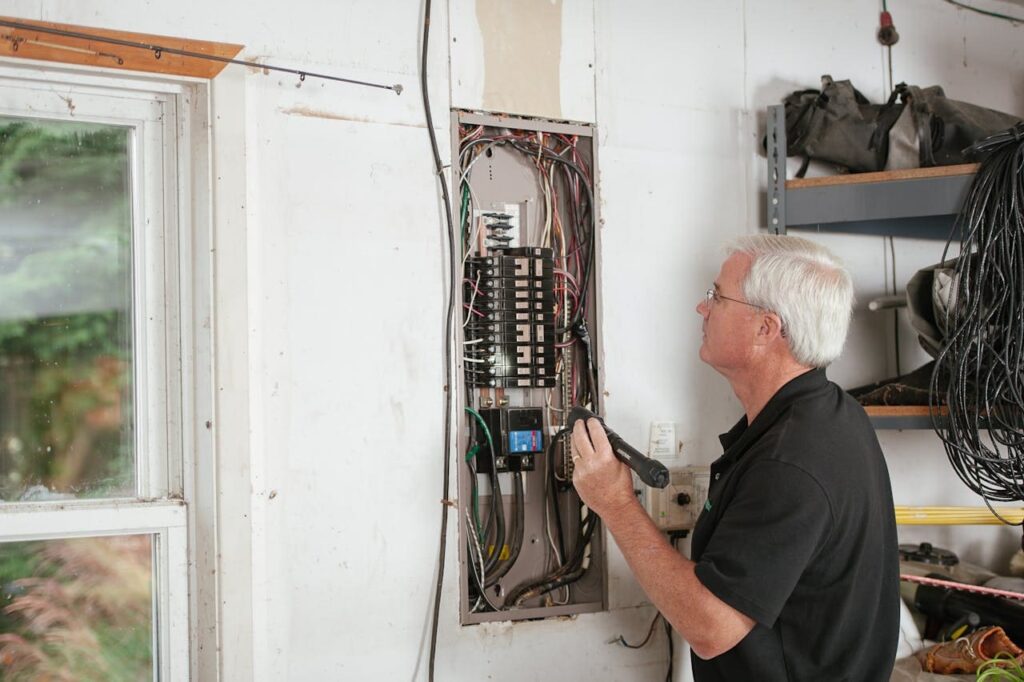
What Whole-of-Home measures: Completely separate from thermal rating, Whole-of-Home assesses annual energy consumption of fixed appliances against energy budget. Score ranges 0-150, minimum 60 required for Class 1 dwellings (houses/granny flats).
Included appliances: Space heating systems (ducted heating, split systems, panel heaters), space cooling systems (air conditioners, evaporative coolers), hot water systems (heat pump, electric storage, instantaneous), lighting (calculations based on floor area, efficiency assumptions), pool/spa pumps (if included in granny flat design).
Solar PV offset: Rooftop solar photovoltaic systems generate energy offsetting appliance consumption. Whole-of-Home calculations include solar generation reducing net energy use.
Score 60 = energy-efficient appliances meeting budget, Score 100 = net-zero energy home (generates as much as consumes), Score 100+ = home generating more than consuming (surplus solar).
Critical distinction from thermal rating: 7-star thermal focuses on building design elements (insulation, windows, orientation). Whole-of-Home focuses on appliance efficiency and solar generation. Both mandatory. Neither substitutes for the other.
When you build a granny flat in Melbourne, you could design perfect 9-star thermal shell but fail Whole-of-Home compliance by selecting inefficient appliances. Conversely, excellent appliances don’t compensate for poor thermal design.
Meeting Whole-of-Home Requirements
Appliance selection strategies:
Heating/cooling (40% of energy budget): Most significant impact on Whole-of-Home score. Reverse-cycle air conditioners with high star ratings (typically 4.5+ stars) provide efficient heating and cooling.
Inefficient electric panel heaters or old air conditioners devastate Whole-of-Home scores. When planning all-electric granny flats, selecting appropriate heating/cooling crucial for compliance.
Properly sized systems essential. Oversized air conditioners operate inefficiently, consuming excess energy. Undersized systems run constantly, also reducing efficiency. Professional load calculations prevent sizing errors.
Hot water (23% of energy budget): Heat pump hot water systems deliver 3-5 times more heating energy than electricity consumed, dramatically improving Whole-of-Home scores versus electric storage systems.
Electric storage systems with poor insulation fail compliance in many configurations. Solar hot water or heat pump systems nearly always necessary for Whole-of-Home compliance.
Lighting (minor impact): Assumed compliant if LED fittings specified meeting Building Code requirements. Software calculates lighting energy based on floor area. Most modern granny flats easily meet lighting requirements.
Pool/spa pumps (when applicable): Granny flats with pools/spas face additional compliance complexity. Pump energy consumption included in Whole-of-Home budget. High-efficiency variable-speed pumps essential. Understanding pool requirements prevents budget blowouts.
Solar PV Offset Calculations
How solar affects Whole-of-Home:
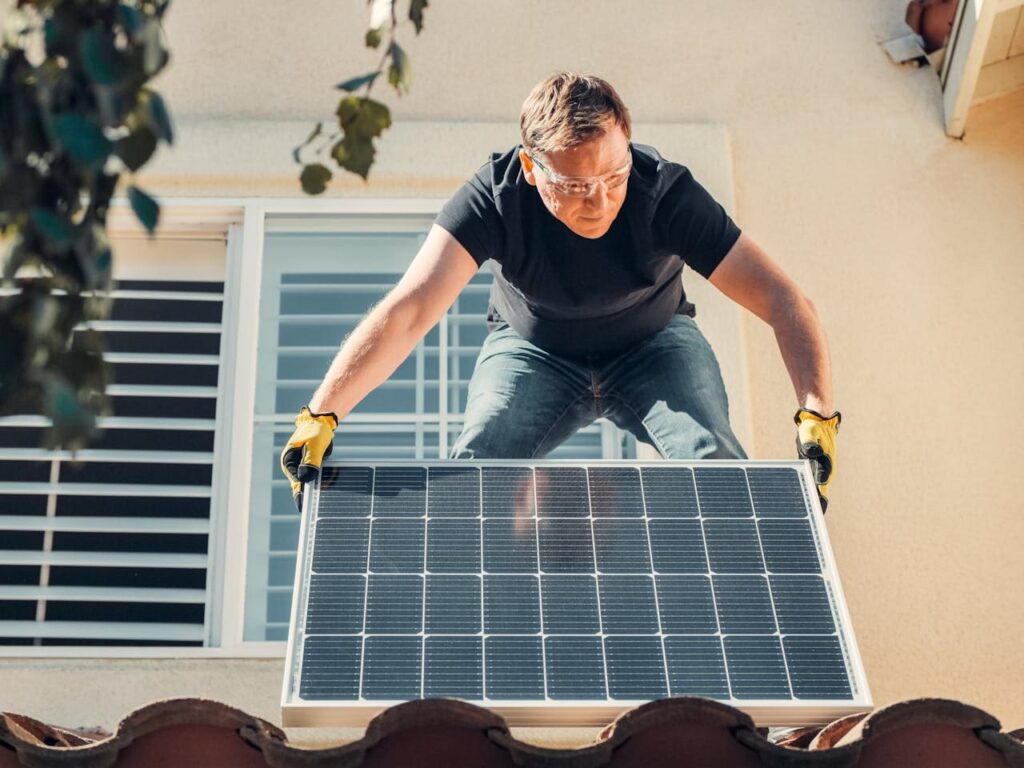
Solar PV systems generate electricity offsetting appliance consumption in Whole-of-Home calculations. Assessors input solar array specifications (panel capacity in kW, inverter size, orientation and tilt, shading factors) into software calculating estimated annual generation.
Example scenario: 60m² granny flat with moderately efficient appliances initially scores 52 (failing 60 minimum). Adding 3kW solar array north-facing improves score to 68 (compliant). Solar investment approximately $3,500-$5,500 enabling compliance without changing appliances.
Solar versus appliance efficiency trade-off: Two compliance pathways exist: Premium efficient appliances meeting budget without solar, Standard appliances plus solar offsetting consumption.
Cost comparison: Heat pump hot water ($3,500-$5,000) + premium air conditioner ($2,500-$4,000) = $6,000-$9,000, versus Standard appliances ($3,000-$4,500) + 3kW solar ($3,500-$5,500) = $6,500-$10,000.
Similar costs but solar provides ongoing bill savings beyond compliance. Most homeowners choosing solar option for long-term financial benefits. When comparing package pricing, verify solar inclusions.
Solar limitations: Granny flats with poor solar orientation (heavy shading, south-facing roofs) cannot effectively use solar for Whole-of-Home compliance. These situations require premium appliances achieving budget without solar offset.
Assessment Process and Costs
Whole-of-Home assessment timing: Conducted by same accredited assessor performing thermal rating. Both assessments typically completed together as combined service.
Information required: Final floor plans with room dimensions, Heating/cooling specifications (brand, model, capacity, star rating), Hot water system specifications, Solar array details (if included), Pool/spa equipment (if applicable).
Combined assessment costs: Thermal + Whole-of-Home assessment together approximately $600-$1,000 for typical granny flat. Separate assessments cost more. Most assessors offering combined service.
Assessment iterations: Initial assessment often reveals compliance shortfalls. Assessors recommend modifications (better appliances, solar additions, thermal improvements). Reassessment with changes confirms compliance before building permit submission.
Budget 2-3 assessment iterations refining specifications achieving both thermal 7-star AND Whole-of-Home 60+.
Common Compliance Failures
Reasons building surveyors reject applications:
Only thermal rating provided: Applicants submit 7.5-star thermal certificate assuming Whole-of-Home automatic. Both certificates mandatory. Missing Whole-of-Home = application rejected.
Whole-of-Home score 54-59: Just below 60 threshold. Requires minor adjustments (slightly better hot water system, small solar array) but delays permits 2-4 weeks.
Unspecified appliances: Vague specifications (“reverse-cycle air conditioner TBC”) prevent accurate Whole-of-Home assessment. Exact models with star ratings required for compliance calculations.
Solar arrays not designed: Applications claiming solar offset without engineering drawings, electrical specifications, or shading analysis. Solar claims require proper documentation. Understanding electrical requirements includes solar integration.
Builder Compliance Expertise
Questions verifying builder understanding when you build a granny flat in Melbourne:
Ask: “Do your packages include both thermal and Whole-of-Home assessments?” Quality builders include both in base pricing.
Request sample energy certificates showing both 7-star thermal AND Whole-of-Home 60+ scores for previous projects. Builders confident in compliance provide these immediately.
Confirm appliance specifications in quotes. Builders stating “4-star air conditioner” without specific models indicate compliance uncertainties. Professional builders specify exact models meeting energy requirements.
Review builder warranties ensuring energy compliance guaranteed.
Ready to build with complete energy compliance? Contact our team for dual-compliant designs, or explore our energy-efficient projects. Verify energy requirements through Victorian Building Authority.