
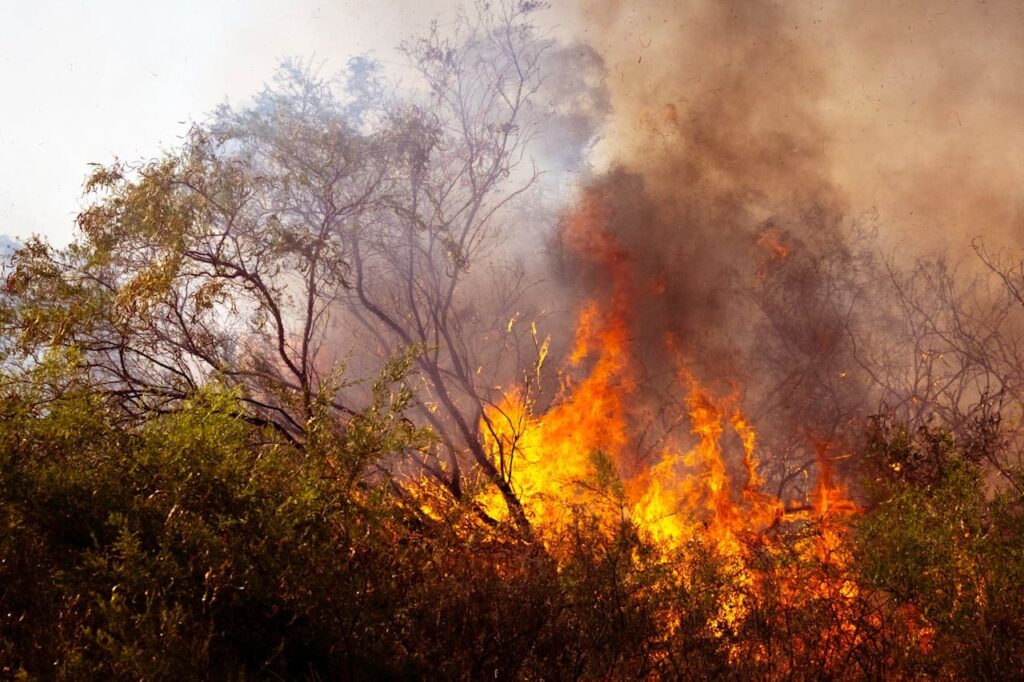
Melbourne’s expanding urban fringe pushes new development into areas classified under bushfire overlays, affecting approximately 15% of metropolitan properties. Many homeowners in these areas assume they can’t build granny flats Melbourne properties when bushfire overlays apply. However, the reality is more nuanced: you can absolutely build granny flats in bushfire areas, but construction costs increase $15,000-$35,000 to meet Bushfire Attack Level (BAL) requirements, and design becomes more constrained.
Understanding exactly what bushfire overlays mean for your granny flat project helps you budget accurately whilst ensuring compliant, safe construction. This guide explains which Melbourne areas face bushfire restrictions, what BAL ratings require, and how additional costs compare to the impossibility of building without compliance.
Melbourne Suburbs With Bushfire Overlays
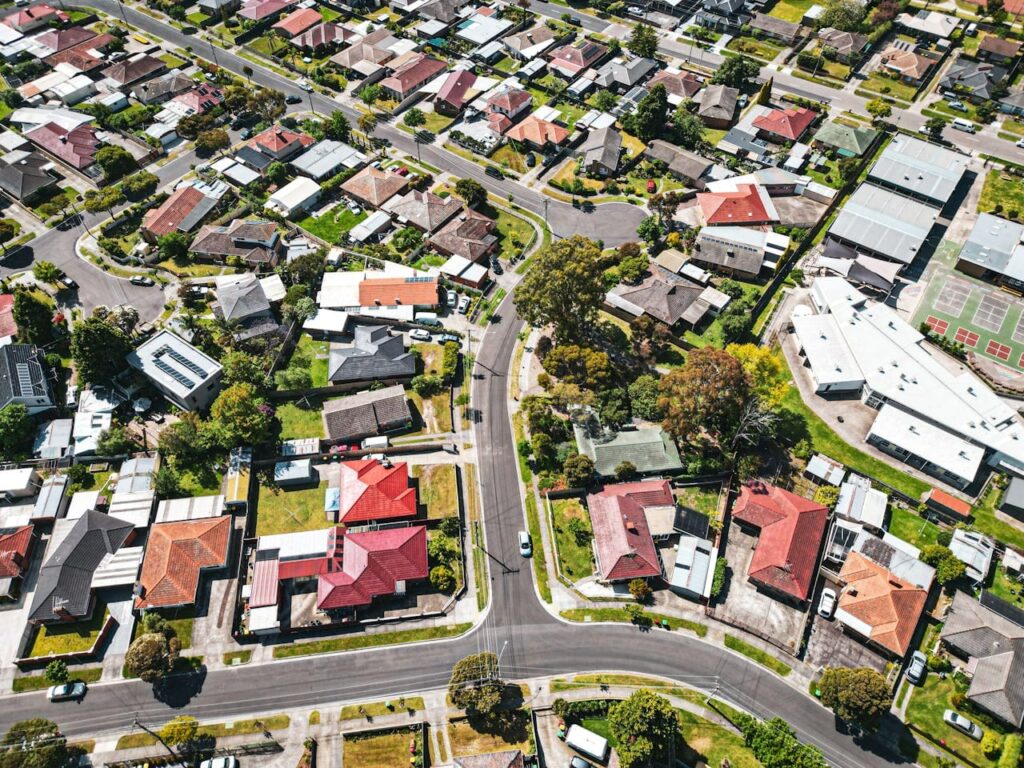
Bushfire overlays don’t just affect rural properties. Significant Melbourne suburbs face varying levels of bushfire risk affecting granny flat construction.
High-risk Melbourne areas (BAL-29 to BAL-FZ):
- Dandenong Ranges suburbs (Olinda, Sassafras, Ferny Creek, Belgrave)
- Outer eastern suburbs (Warrandyte, Wonga Park, Chirnside Park)
- Mornington Peninsula bushland areas (Red Hill, Main Ridge, Arthurs Seat)
- Yarra Ranges foothills (Lilydale, Mooroolbark edge areas)
- Northern edge suburbs (Eltham, Research, Hurstbridge)
Moderate-risk areas (BAL-12.5 to BAL-19):
- Outer northern suburbs (Doreen, Mernda edge areas)
- Eastern growth corridor edges (Pakenham, Officer fringe)
- Western growth corridors near grasslands (Melton, Bacchus Marsh edge)
How to check your property: Visit your local council’s website and search their planning maps. Bushfire overlays appear as BMO (Bushfire Management Overlay). Alternatively, check the Country Fire Authority website’s BAL assessment tool providing property-specific ratings.
What BAL Ratings Actually Mean
Bushfire Attack Level (BAL) ratings measure bushfire risk intensity, determining construction requirements for new buildings including granny flats.
BAL rating scale:
| BAL Rating | Risk Level | Additional Construction Requirements | Cost Impact |
|---|---|---|---|
| BAL-Low | Minimal risk | Standard construction acceptable | $0 |
| BAL-12.5 | Low risk | Ember protection, basic screening | +$8,000-$15,000 |
| BAL-19 | Moderate | Enhanced ember protection, specific materials | +$15,000-$25,000 |
| BAL-29 | High | Fire-resistant materials, screening, glazing | +$25,000-$35,000 |
| BAL-40 | Very high | Comprehensive fire protection systems | +$35,000-$50,000 |
| BAL-FZ | Flame zone | Extremely difficult, often not permitted | Project-dependent |
Most Melbourne suburban properties with bushfire overlays rate BAL-12.5 to BAL-29. BAL-40 and BAL-FZ apply primarily to properties directly adjacent to significant bushland or forests.
Construction Requirements By BAL Rating

Understanding what each BAL rating requires helps you budget accurately and assess feasibility for your specific property.
BAL-12.5 requirements (most common in Melbourne fringes):
- Ember guards on all vents and openings
- Sealed eaves or ember-proof eave lining
- Non-combustible external wall cladding within 400mm of ground
- Specific glazing standards for windows near ground level
- Metal flyscreens on all openable windows
BAL-19 requirements (moderate bushfire areas):
- All BAL-12.5 requirements plus:
- Fire-rated windows and doors
- Non-combustible decking or specific timber treatments
- Enhanced roof construction (sarking, sealed joints)
- Upgraded gutter materials (metal, not PVC)
BAL-29 requirements (higher risk areas):
- All BAL-19 requirements plus:
- Toughened or laminated glazing on all windows
- Metal screens on all windows and doors
- Non-combustible materials for most external surfaces
- Enhanced sealing of building envelope
- Specific landscaping requirements (defendable space)
BAL-40 and BAL-FZ: These ratings apply rarely in metropolitan Melbourne but require such extensive fire protection that granny flats become economically unviable for most property owners. Consider whether the block suits development before investing in design and permits.
Cost Breakdown: Standard vs Bushfire-Compliant Builds
Understanding where additional costs occur helps you evaluate whether building a granny flat in bushfire areas makes financial sense.
BAL-12.5 additional costs ($8,000-$15,000):
- Ember guards and screening: $1,500-$2,500
- Sealed eave construction: $2,000-$3,500
- Upgraded window specifications: $2,500-$4,500
- Metal flyscreens: $1,200-$2,000
- Bushfire assessment and certification: $800-$1,500
- Enhanced external cladding: $1,000-$2,000
BAL-19 additional costs ($15,000-$25,000):
- All BAL-12.5 costs plus:
- Fire-rated windows and doors: +$6,000-$10,000
- Non-combustible decking: +$2,000-$4,000
- Enhanced roof construction: +$3,000-$5,000
BAL-29 additional costs ($25,000-$35,000):
- All BAL-19 costs plus:
- Toughened/laminated glazing: +$8,000-$12,000
- Metal window screens: +$3,000-$5,000
- Comprehensive non-combustible materials: +$5,000-$8,000
These costs sit outside standard construction budgets and vary with the BAL rating, so ask for them to be priced as part of your quote.
Defendable Space Requirements
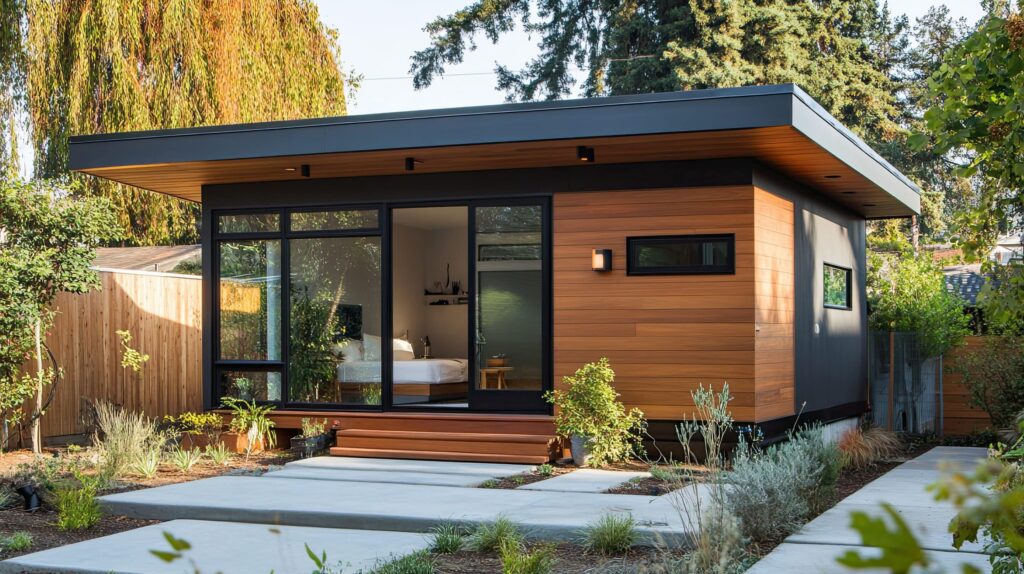
Beyond building construction, bushfire regulations require maintaining defendable space around granny flats, affecting landscaping and property usability.
Inner zone (0-10 metres from building):
- No vegetation over 100mm height
- Trees require 5-metre separation, regular pruning
- No combustible materials (woodpiles, mulch piles)
- Gravel or paving preferred over grass
Outer zone (10-30 metres from building):
- Reduced vegetation density
- Tree canopy separation requirements
- Grass kept under 100mm height
- No dead vegetation or debris
Practical implications: Properties under 600m² struggle meeting defendable space requirements if granny flats are positioned toward rear boundaries. This sometimes forces placement closer to main houses than ideal for privacy, or makes granny flats impractical on smaller bushfire overlay blocks.
Ongoing maintenance obligations: Meeting defendable space requirements isn’t one-time. Councils and fire authorities inspect periodically, issuing compliance notices if vegetation management lapses. Factor ongoing maintenance into investment property calculations.
Insurance Implications For Bushfire Areas
Building granny flats Melbourne properties in bushfire overlay areas affects insurance costs and sometimes availability.
Premium increases: insurance for buildings in bushfire prone areas can cost more. Ask your insurer for a quote before you build.
Coverage limitations: Some insurers exclude bushfire damage entirely in BAL-29 and above areas, forcing property owners to separate bushfire-specific coverage at significant cost.
Underinsurance risks: Rebuilding bushfire-compliant granny flats costs more than standard construction. Ensure replacement coverage accounts for BAL construction premiums, not just standard building costs.
Investment property complications: landlord insurance in bushfire areas may exclude bushfire damage or cost more. Check your policy before you rent.
Design Constraints In Bushfire Areas
Beyond cost, bushfire requirements limit design flexibility affecting aesthetics and functionality.
Material restrictions: Timber cladding popular in contemporary designs faces restrictions or prohibitions in higher BAL ratings. Non-combustible alternatives (cement sheet, metal) provide different aesthetics.
Window limitations: Large expanses of glazing popular in modern design face restrictions. Toughened glass requirements add weight, sometimes requiring structural upgrades.
Deck and outdoor area constraints: Timber decking faces restrictions in BAL-19+. Composite decking costs more. Some designs simply eliminate decks, reducing outdoor amenity.
Architectural style impacts: Certain contemporary styles featuring extensive timber, large windows, or overhanging eaves become difficult or impossible in higher BAL ratings. Custom design becomes more constrained.
When Bushfire Areas Make Sense For Investment
Despite additional costs and constraints, building granny flats in bushfire overlay areas sometimes delivers strong returns.
Properties where it works:
- Large blocks (800m²+) easily accommodating defendable space
- BAL-12.5 ratings with modest additional costs
- Rental markets with limited supply offsetting higher construction costs
- Properties where land value justifies development despite premiums
- Owner-occupied granny flats for family accommodation where emotional value exceeds pure financial return
Properties where it doesn’t:
- Small blocks struggling to meet defendable space requirements
- BAL-29+ requiring extensive fire protection
- Rental markets with abundant supply limiting achievable rents
- Investment-focused projects where returns matter more than property retention
For families housing elderly parents or adult children, the extra BAL costs are often a small part of the overall decision. If you plan to rent, speak with your accountant about how these costs affect your situation.
Council-Specific Bushfire Policies
Melbourne’s 31 councils interpret bushfire regulations with varying strictness affecting approval likelihood and requirements.
Strict interpretation councils: Yarra Ranges, Nillumbik, and Mornington Peninsula councils enforce bushfire regulations strictly, requiring comprehensive documentation and site-specific assessments.
Moderate approach councils: Cardinia, Casey, and Melton councils apply regulations pragmatically, working with applicants to achieve compliance whilst enabling development.
Streamlined processes councils: Some growth corridor councils have pre-approved BAL-compliant designs expediting approvals for standard builds meeting specifications.
Check your specific council’s approach before investing significant design costs. Some councils prove more developer-friendly than others in bushfire areas.
Your Next Steps For Bushfire Area Projects
Building granny flats in bushfire overlay areas requires specialized knowledge and realistic cost expectations.
Get BAL assessment first: Book a free site assessment where we’ll arrange proper BAL rating for your specific property, providing accurate cost implications before design investment.
Budget realistically: Contact Innovista Group for transparent bushfire-compliant pricing. Don’t proceed based on standard construction quotes when BAL requirements apply.
Understand ongoing obligations: Defendable space maintenance continues indefinitely. Factor this into long-term property management planning.
Evaluate alternatives: Sometimes renovating existing structures or considering different property investments deliver better returns than building in high-cost bushfire areas.
Ready to explore whether your bushfire overlay property suits granny flat development? Our experience with BAL-compliant construction across Melbourne’s fringe areas helps you make informed decisions. We’ll honestly assess whether additional costs justify development or whether your investment capital achieves better returns elsewhere. Granny flats in bushfire areas absolutely can work, but only when approached with realistic expectations about costs, constraints, and returns.