
Melbourne councils report that neighbourhood objections delay or derail roughly 40% of granny flats requiring planning permits. Most disputes arise from boundary setbacks, overlooking concerns, or perceived property value impacts. The frustrating part is that most conflicts are entirely preventable through early communication and smart design choices made before submitting applications.
Understanding how to navigate neighbour relations when planning granny flats can mean the difference between smooth 16-week builds and 12-month nightmares involving lawyers, mediators, and VCAT hearings. This guide shows you exactly how to prevent boundary disputes before they start, saving thousands in legal fees whilst maintaining neighbourhood harmony.
Why Neighbours Object To Granny Flats

Before addressing prevention strategies, understanding the real concerns behind objections helps tremendously. Neighbours rarely oppose granny flats out of pure spite. Their objections stem from legitimate fears, even when those fears are unfounded.
Privacy and overlooking: The most common objection centres on new windows or decks that might overlook neighbouring properties. Even when granny flats comply with setback requirements, neighbours worry about losing privacy in backyards or bedrooms.
Property value concerns: Many homeowners fear nearby granny flats will reduce their property values through increased density or changed neighbourhood character. Research actually shows well-designed granny flats either have neutral effects or slightly increase surrounding property values through improved area amenity, but this perception persists.
Parking and traffic: Additional residents mean more vehicles. In streets already struggling with parking, neighbours legitimately worry about competition for kerb space. This concern intensifies in inner Melbourne suburbs with limited off-street parking.
Noise and disturbance: Granny flats housing tenants, particularly young renters or students, create fears about noise, parties, and general disturbance. When building for elderly parents, this concern rarely arises, but neighbours don’t always know your intended occupants.
Construction disruption: Even when supportive of the final outcome, neighbours dread months of construction noise, trucks, and mess. This temporary concern sometimes triggers permanent objections if not addressed proactively.
According to the Dispute Settlement Centre of Victoria, neighbourhood disputes about building projects cost Victorian homeowners $15,000-$45,000 in legal fees when they reach formal proceedings. Prevention is dramatically cheaper than resolution.
Strategy 1: Early Communication Before Applications
The single most effective dispute prevention strategy costs nothing and takes minimal time: talking to neighbours before they receive formal council notices.
When to approach neighbours: Have conversations 2-3 weeks before submitting building or planning applications. This gives neighbours time to process information without feeling blindsided by official notices.
What to share: Bring preliminary floor plans showing setbacks, window positions, and height details. Explain your intended use (family accommodation versus rental). Share expected construction timeline and how you’ll minimise disruption.
How to frame discussions: Position the conversation as courtesy and information sharing, not seeking permission. You’re not asking if they approve; you’re explaining what’s happening and addressing concerns proactively. Most neighbours appreciate this respect tremendously.
What neighbours want to hear:
| Common Concern | Effective Response |
|---|---|
| “Will this overlook my yard?” | “The windows face away from your property, and we’re adding privacy screens on the deck.” |
| “Parking is already terrible.” | “We’re including two off-street spaces, so no additional street parking needed.” |
| “Construction will be a nightmare.” | “We’ve chosen professional builders who work 7am-5pm weekdays only, no weekends.” |
| “This will attract bad tenants.” | “Actually, it’s for my elderly mother. She needs to be close for medical support.” |
When building granny flats in Melbourne’s inner suburbs where properties sit close together, this early communication often prevents formal objections entirely.
Strategy 2: Design Choices That Eliminate Objections

Smart design decisions made during planning stages prevent neighbour concerns before they arise. Work with experienced granny flat builders near me who understand which design elements trigger disputes.
Window placement matters enormously: Position windows to avoid direct sightlines into neighbouring yards or homes. High bathroom windows, clerestory living room windows, or windows facing your own property eliminate overlooking concerns. This costs nothing extra during design but becomes expensive to modify after construction.
Boundary setbacks beyond minimums: Council minimums typically require 1-2 metres from boundaries. Voluntarily setting back an additional 0.5-1 metre dramatically reduces objection likelihood whilst costing minimal usable space. This extra buffer shows respect for neighbours and provides flexibility if issues arise.
Fence height and screening: 1.8-2.1 metre fences or dense screening plants between properties address privacy concerns visually. While council limits fence heights, strategic planting of fast-growing species like bamboo (in contained planters) or screening shrubs creates natural barriers.
Roof design and shadow impact: Skillion roofs sloping away from neighbours reduce overshadowing compared to gable roofs. Model shadow diagrams showing winter solstice impacts help neighbours understand actual overshadowing versus perceived concerns.
Deck positioning and privacy screens: Decks facing away from neighbouring properties or including fixed privacy screens (1.8m+ height) prevent overlooking whilst maintaining outdoor amenity. Screens cost $800-$2,000 but eliminate major objection sources.
At Innovista Group, our design consultations specifically address neighbour-sensitive design elements. We’ve learned through dozens of builds which modifications prevent disputes most effectively.
Strategy 3: Formal Notification Done Right
Victorian planning law requires notifying neighbours when seeking planning permits (though most granny flats under 60m² don’t need planning permits). Even when notification isn’t legally required, consider it anyway.
Written notification content: Provide clear site plans, elevations, and floor plans. Include your contact details and offer to discuss concerns. Specify construction timeline and management strategies. This demonstrates professionalism and respect.
Offer inspection opportunities: Invite neighbours to view display homes or completed projects showing similar designs. Seeing finished products often alleviates concerns better than plans alone.
Address concerns proactively: If neighbours raise issues during notification periods, respond promptly with solutions or compromises. Minor design modifications costing $500-$2,000 often prevent $15,000+ disputes.
Document everything: Keep records of all neighbour communications, agreements reached, and modifications made. If disputes escalate, this documentation proves your good faith efforts at resolution.
What If Disputes Arise Despite Prevention Efforts
Even with perfect communication and design, some neighbours object regardless. When prevention fails, early intervention prevents escalation.
Mediation before legal action: The Dispute Settlement Centre of Victoria offers free or low-cost mediation services. Most building disputes resolve through mediation at 5-10% the cost of legal proceedings.
VCAT as last resort: The Victorian Civil and Administrative Tribunal handles unresolved planning disputes. VCAT favours applicants who demonstrate good faith efforts at neighbour consultation and reasonable design modifications.
Council planning officers as allies: When neighbours object formally, planning officers often mediate between parties. Officers suggest design modifications that satisfy both sides. Maintain professional, cooperative relationships with council staff throughout.
Know your rights: Council-approved granny flats under 60m² without planning permits cannot be blocked by neighbour objections. Building permits require compliance with building codes, not neighbour approval.
Special Considerations For Different Melbourne Areas
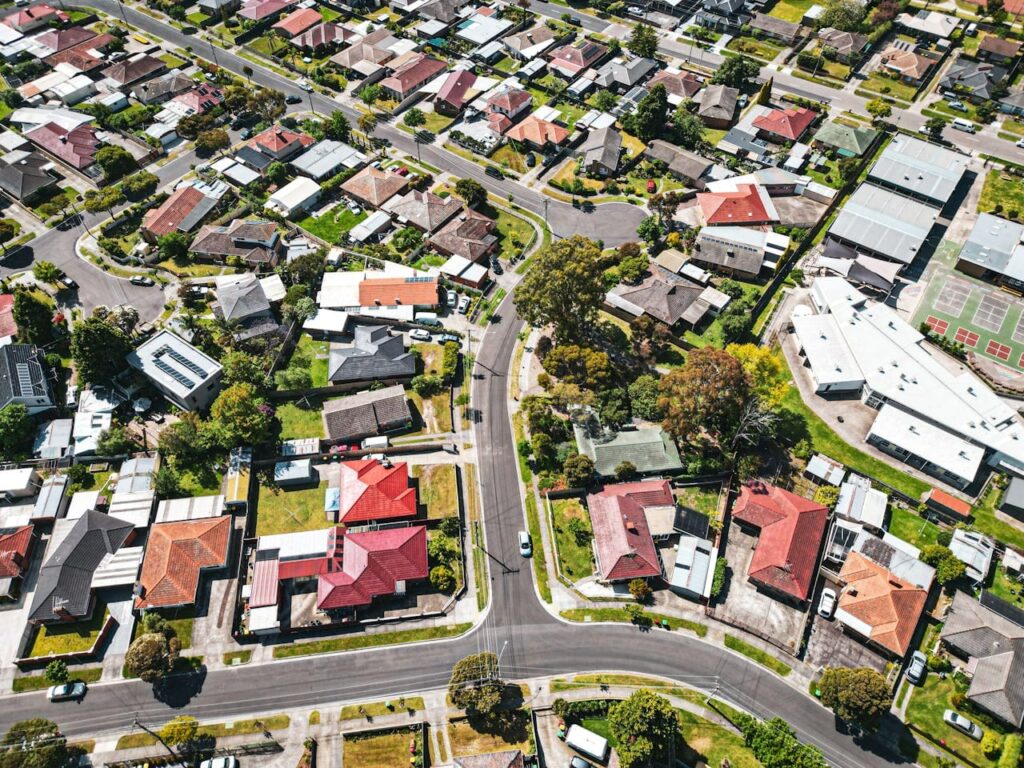
Neighbourhood dynamics vary significantly across Melbourne, affecting dispute likelihood and resolution strategies.
Inner Melbourne (Yarra, Port Phillip, Melbourne): Higher density means neighbours are more accustomed to secondary dwellings. However, heritage concerns and parking competition intensify objections. Early communication and heritage-sensitive designs prevent most disputes.
Middle suburbs (Boroondara, Whitehorse, Monash): Established residential character means neighbours may resist density changes. Emphasise family accommodation use and architectural quality matching existing homes.
Growth corridors (Casey, Cardinia, Wyndham): Newer suburbs with larger blocks see fewer objections. However, incomplete streetscapes mean your granny flat sets precedents affecting future neighbourhood character. Position builds as appropriate infill development.
Bayside (Bayside, Kingston): Wealthy areas with large homes see resistance to perceived density increases. Emphasise premium finishes and professional design maintaining neighbourhood prestige.
Your Next Steps To Build Without Neighbour Drama
Preventing boundary disputes requires planning, communication, and smart design choices made before submitting applications. The strategies outlined here have helped hundreds of Melbourne families build granny flats without neighbour conflicts.
Start with property assessment: Book a free site assessment where we’ll evaluate your property layout, identify potential neighbour concerns, and suggest design modifications preventing disputes before they arise.
Review neighbour-sensitive designs: Our team can show you completed projects demonstrating how strategic design choices eliminated objection risks on similar properties.
Plan communication strategy: We’ll help you prepare neighbour communications including plans, timelines, and key messages addressing common concerns effectively.
Ready to build without the neighbour nightmare stories you’ve heard? Contact Innovista Group to discuss how our experience with Melbourne council requirements and neighbour relations creates smooth, dispute-free projects.
Granny flats don’t have to create neighbourhood conflicts. With the right approach, you’ll likely find neighbours supportive or at minimum neutral about your plans. Prevention beats resolution every time, and the strategies here ensure your project proceeds smoothly whilst maintaining positive relationships with the people living next door.