
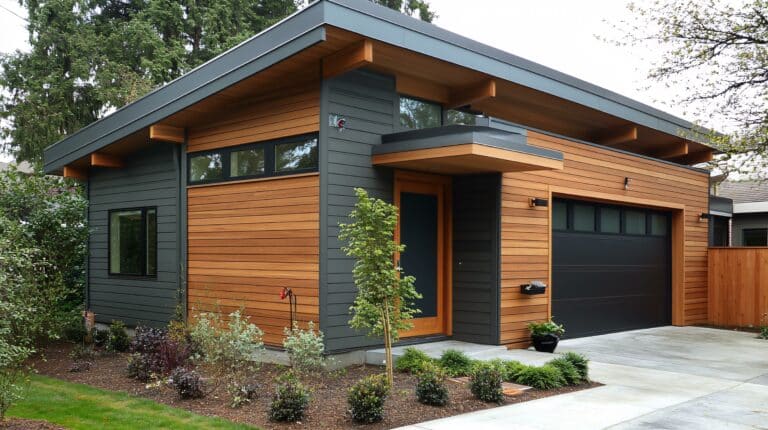
Visiting a granny flat showroom near me represents the single most effective way to evaluate builder quality before committing $190,000-$255,000. Photos on websites get professionally staged and edited, hiding construction quality issues that become obvious during physical inspection. However, most people don’t know what to look for beyond aesthetics, missing the subtle quality indicators separating professional construction from budget builds.
Understanding exactly what to inspect during display home visits helps you identify superior construction whilst exposing common shortcuts budget builders take. This guide provides a systematic inspection checklist revealing true quality before you sign contracts, protecting your investment from expensive regrets discovered only after handover.
Why Showroom Visits Matter More Than Photos
Professional photography makes every granny flat look impressive. Visiting physical showrooms exposes realities photos conceal or misrepresent.
Scale and space perception: Photos use wide-angle lenses making 60m² look spacious. Walking through reveals actual liveable space. That open-plan living area feeling generous in photos feels cramped physically when you try positioning furniture mentally.
Material quality assessment: Photos can’t convey stone quality, flooring density, door solidity, or fixture weight. Running your hands over benchtops, opening cupboards, testing tap action reveals quality immediately. Heavy, substantial fixtures indicate quality. Light, hollow-feeling elements signal cost-cutting.
Natural light reality: Professional staging uses multiple light sources. Visit at different times to assess actual natural light penetration. Granny flats relying on artificial lighting because windows are poorly positioned create depressing living environments.
Acoustic properties: Photos don’t reveal sound transmission. Close bedroom doors and have someone walk around, talk normally, or turn on taps. Hearing everything clearly indicates poor acoustic insulation creating livability problems for occupants.
Temperature comfort: Showrooms maintained at perfect temperatures hide heating/cooling inadequacies. Ask to visit on very hot or cold days to assess climate control effectiveness.
Seven Critical Inspection Points At Display Homes

When visiting granny flat showroom near me locations, systematically inspect these areas revealing construction quality.
1. Door and drawer operation quality:
Open every cupboard, drawer, and door. Quality builds include soft-close mechanisms throughout. Budget builds use standard hinges that slam. Test drawer weight capacity by pressing down firmly. Quality drawer systems support weight without sagging or jamming. Cheap systems flex and bind.
Quality indicators: Soft-close throughout, smooth action even when fully extended, no visible gaps or misalignment
Budget shortcuts: Slamming doors, sticking drawers, visible gaps, cheap handles
2. Benchtop quality and installation:
Run your hands across stone benchtops feeling for chips, imperfections, or rough edges. Check underside visible in cupboards, confirming actual thickness (40mm premium vs 20mm standard). Inspect where benchtops meet walls, looking for gaps filled with silicone indicating poor fitting.
Quality indicators: Smooth consistent finish, proper thickness, tight wall joins, substantial feel
Budget shortcuts: Thin stone (20mm), visible chips, excessive silicone filling gaps, hollow sound when tapped
3. Flooring installation standard:
Look for level transitions between rooms. Hybrid flooring should lie completely flat without waves, gaps, or raised edges. Check where flooring meets walls; quality installation includes proper expansion gaps covered by skirting. Walk across entire floor feeling for soft spots or squeaking indicating subfloor issues.
Quality indicators: Perfectly flat installation, no squeaks, consistent gaps at walls, professional transitions
Budget shortcuts: Visible waves, gaps between planks, squeaking, poor room transitions
4. Bathroom waterproofing and tiling:
Inspect shower bases for proper slope to drains (water should run off quickly). Check tile grout consistency and cleanliness. Look behind shower screens for water stains indicating leaks. Press tiles firmly checking for loose or hollow-sounding tiles signaling poor adhesion.
Quality indicators: Excellent drainage, consistent grout, no water stains, all tiles solid
Budget shortcuts: Poor drainage, inconsistent grout, water stains, hollow tiles
5. Window and door weather sealing:
Check seals around all windows and external doors. Quality installation includes consistent, intact seals preventing drafts and water ingress. Open and close windows multiple times checking operation smoothness. Rattling or sticking indicates poor installation or cheap products.
Quality indicators: Smooth operation, intact consistent seals, no drafts when closed
Budget shortcuts: Difficult operation, damaged seals, visible gaps, rattling
6. Ceiling and wall finish quality:
Look along walls and ceilings from angles catching light, revealing imperfections. Quality plastering appears smooth and consistent. Budget work shows waves, bumps, or visible joins between plasterboard sheets. Corners should be sharp and consistent, not rounded or wavy.
Quality indicators: Smooth consistent finish, sharp corners, no visible joins
Budget shortcuts: Wavy surfaces, rounded corners, visible plasterboard joins, patchy texture
7. Electrical and plumbing fixture quality:
Test tap operation checking water pressure and temperature control. Turn lights on/off checking switch quality and light warmth/brightness. Quality fixtures feel substantial and operate smoothly. Budget fixtures feel light, plasticky, and imprecise.
Quality indicators: Substantial weight, smooth operation, quality brands (Methven, Phoenix)
Budget shortcuts: Light plastic feel, imprecise operation, unknown brands
Questions To Ask During Showroom Visits
Beyond physical inspection, these questions reveal builder quality and practices.
“Is this display home built to the same standard as customer projects?” Some builders construct showrooms with superior materials and workmanship than actual customer builds. Honest builders confirm identical standards. Evasive answers indicate display homes don’t represent reality.
“Can I see a recently completed customer project?” Display homes get maintained constantly. Customer projects 1-2 years post-handover reveal actual long-term quality. Builders confident in their work facilitate these visits readily.
“Who actually constructs your granny flats?” Quality granny flat builders Melbourne teams use experienced in-house or regular subcontractors. Budget operators constantly source cheapest labour, creating quality inconsistency.
“What’s included versus optional upgrades?” Walk through noting which visible features are standard versus upgrades. Budget builders load display homes with options, misleading you about base package reality.
“How often do you maintain this display?” Honest answers reveal whether you’re seeing fresh construction or lived-in reality. Recently refreshed displays hide how finishes age.
Red Flags Indicating Rushed Or Budget Construction
Certain observations during granny flat showroom near me visits indicate concerning quality shortcuts.
Excessive caulking or silicone: When builders use silicone excessively around benchtops, showers, or fixtures, they’re filling gaps from poor-quality installation. Quality work fits precisely without relying on sealants.
Mismatched paint sheen: Walls should have consistent sheen throughout. Patchy sheen indicates touch-up work covering mistakes rather than proper initial painting.
Hollow-sounding doors: Internal doors should feel substantial. Hollow lightweight doors reduce costs by $50-$100 per door but create cheap-feeling spaces.
Visible nail heads or screws: Quality finish carpentry conceals all fasteners. Visible nail heads indicate rushed work or inexperienced tradies.
Poor lighting design: Rooms relying entirely on central ceiling lights create harsh, unpleasant environments. Quality design includes layered lighting with downlights, task lighting, and ambient options.
Cheap tapware and fixtures: Builder-grade chrome tapware from unknown brands indicates comprehensive cost-cutting throughout construction. If they saved $50 per tap, they likely cut corners everywhere.
Comparing Multiple Showrooms Effectively

Most people visit 2-4 granny flat showroom locations before deciding. Making meaningful comparisons requires systematic evaluation.
Create comparison checklist: Before visits, list the seven critical inspection points from earlier. Score each showroom 1-10 on each point. This provides objective comparison versus subjective impressions.
Take photos consistently: Photograph the same elements at each showroom (benchtops, flooring, bathrooms). Reviewing photos later helps refresh memory when making decisions.
Visit similar package levels: Compare affordable packages to affordable packages, not affordable to luxury. Price differences create quality differences; this doesn’t indicate poor construction within price points.
Assess maintenance condition: Well-maintained displays indicate builders who care about presentation and quality. Neglected displays with minor damage or dirt suggest concerning attitudes toward quality.
Evaluate staff knowledge: Staff should answer technical questions confidently. Evasive or uncertain responses indicate either poor training or builders hiding information.
What Display Homes Can’t Show You

Physical showroom visits reveal construction quality but can’t demonstrate several important aspects.
Real project timeline: Display homes were constructed under perfect conditions without client changes, weather delays, or unforeseen issues. Actual timelines vary.
Council approval process: Display homes sit on builder-owned land with straightforward approvals. Your property may face different council requirements.
Communication quality: Display visits don’t reveal how builders communicate during construction, handle issues, or respond to concerns.
Financial stability: Beautiful displays don’t indicate company financial health. Research builder credentials independently.
Warranty service: How builders handle warranty claims years later isn’t visible during showroom visits. Research this through past customer references.
Your Next Steps To Informed Decisions
Visiting granny flat showroom near me locations provides invaluable quality assessment impossible through photos or descriptions alone.
Schedule multiple visits: Contact Innovista Group to visit our Bayswater North display during different times of day, assessing natural light and space at various times.
Bring your inspection checklist: Use the seven critical points outlined above for systematic evaluation rather than impressionistic judgments.
Request customer project visits: Book a free site assessment and ask to see recently completed customer projects revealing lived-in reality versus maintained display homes.
Ask tough questions: Don’t just absorb sales pitches. Challenge builders on construction methods, materials, and processes.
Ready to see actual construction quality before committing? Our Bayswater North showroom provides full access to inspect every detail. We welcome skeptical evaluation because we’re confident our quality construction withstands scrutiny that budget builds fail. Melbourne families investing $190,000-$255,000 deserve seeing exactly what their money buys before signing contracts.


