

Building a granny flat represents a significant investment and property decision that you want to get right the first time. The challenge is that most Melbourne property owners only build a granny flat once in their lifetime, so they lack the experience to avoid common mistakes that seem obvious in hindsight. Moreover, these errors cost thousands in unnecessary expenses, create months of delays, or result in granny flats Melbourne that underperform expectations for rental income or family living.
I’ve watched countless Melbourne property owners make the same mistakes repeatedly, often ignoring advice because the path forward seemed clear to them at the time. The cheapest quote looks attractive until you discover the hidden costs. The local builder seems convenient until their poor communication creates constant stress. Furthermore, the smaller size saves money upfront but limits rental appeal and income forever.
This guide reveals the most common and costly mistakes Melbourne property owners make with granny flats Melbourne projects, explaining why these errors happen, what they actually cost in money and opportunity, and how to avoid them in your own project.
Mistake 1: Choosing the Cheapest Quote Without Comparing Inclusions
The single most expensive mistake is selecting builders based solely on lowest price without comparing what’s actually included.
Why this happens: A builder quoting $180,000 looks obviously better than one quoting $220,000. The lower number feels like smart shopping. Most buyers don’t realize that granny flat builders structure quotes very differently, with some including everything and others charging separately for necessities.
The reality: That $180,000 quote often excludes design and engineering ($8,000-$12,000), council fees ($2,500-$6,000), site preparation ($10,000-$15,000), quality appliances ($6,000-$10,000), and landscaping ($3,000-$6,000). Consequently, add these necessities and you’re at $210,000-$229,000, exceeding the supposedly expensive $220,000 complete package.
What it actually costs: Beyond the direct financial cost, you’re spending dozens of hours coordinating separate contractors, managing the project yourself, and dealing with problems that arise from lack of coordination. The stress and time cost has real value even if you don’t count it in dollars.
How to avoid it: Request itemized quotes from all builders showing exactly what’s included versus separate. Create an apples-to-apples comparison spreadsheet listing every component (design, approvals, site work, construction, appliances, connections, landscaping). Only then compare total costs rather than headline numbers. Learn about what’s actually included in quality packages.
Mistake 2: Underestimating Total Project Costs

Many Melbourne property owners plan around construction costs without factoring in all the additional expenses that make projects viable.
Why this happens: Marketing focuses on construction costs ($220,000 for a granny flat), so buyers budget for that number without considering stamp duty on refinanced amounts if borrowing more, legal fees for loan documentation, temporary accommodation if building for family members who need somewhere to stay during construction, furniture and setup costs for new dwellings, or connection fees for utilities that exceed basic estimates.
The reality: That $220,000 construction project actually requires $225,000-$235,000 in total cash to complete everything and have the granny flat genuinely ready for occupancy or rental.
What it actually costs: Running out of money at 90% completion forces compromising on finishes, delaying occupancy while you arrange additional funding, or leaving things incomplete that should be done before tenants move in.
How to avoid it: Budget 5-10% above quoted construction costs for contingencies and additional expenses. Have this buffer available even if you don’t expect to need it. Better to have unused contingency funds than to scramble for money at the end.
Mistake 3: Prioritizing Size Over Quality
The temptation to maximize square meterage by choosing larger cheaper builds over smaller quality builds creates long-term regrets.
Why this happens: A 70m² granny flat for $240,000 sounds better than 60m² for $220,000. More space feels like better value per dollar spent.
The reality: That extra 10m² might use cheaper materials and finishes that create maintenance headaches, command lower rent because presentation doesn’t impress tenants, require more energy for heating and cooling, and cost more in ongoing rates and maintenance. Therefore, the 60m² quality build often performs better financially and practically.
What it actually costs: Lower rental income (perhaps $30-$50 weekly less) from cheaper finishes adds up to $1,560-$2,600 annually. Higher maintenance costs from budget materials add another $1,000-$2,000 annually. Over ten years, that’s $25,600-$46,000 in lost value from chasing size over quality. Learn about why cheap granny flats cost more long-term.
How to avoid it: Focus on rental income potential rather than square meterage. A well-finished 55m² granny flat renting for $480 weekly beats a cheap granny flats build renting for $420 weekly. Quality finishes, proper materials, and smart design matter more than raw size.
Mistake 4: Ignoring Site Assessment and Preparation Costs
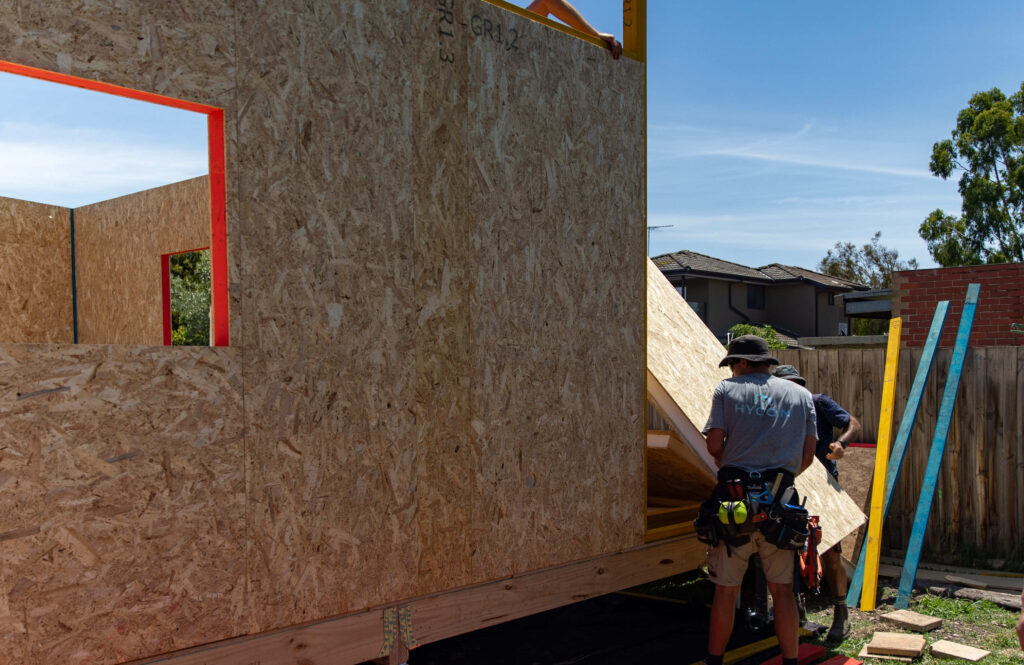
Assuming your property is straightforward without proper site assessment creates budget surprises during construction.
Why this happens: Your backyard looks flat and accessible, so you assume standard site preparation costs apply. You don’t realize that soil conditions, drainage, services locations, or access challenges require extra work until construction starts.
The reality: Poor soil conditions requiring engineered footings add $5,000-$10,000. Challenging access preventing crane delivery requires alternative installation methods costing $8,000-$15,000. Underground services in inconvenient locations require rerouting costing $3,000-$8,000. These surprises blow budgets.
What it actually costs: Beyond direct costs, discoveries during construction delay projects for weeks while solutions get engineered and implemented. Delays cost rental income for investors and create stress for everyone.
How to avoid it: Insist on proper site assessment before signing contracts. Quality builders include this, but verify it’s happening. Soil testing, service location surveys, and access evaluation should occur before final pricing. Accept that challenging sites cost more rather than hoping for best-case scenarios. Learn about site preparation requirements.
Mistake 5: Neglecting Council Research Before Designing
Designing your ideal granny flat without understanding council regulations for your specific property creates expensive redesign requirements.
Why this happens: You see designs you love online or in showrooms and assume they’ll work on your property. Council planning overlays, setback requirements, and local regulations don’t seem relevant until you submit for approval.
The reality: Some Melbourne municipalities have heritage overlays affecting design. Others have strict setback requirements limiting where you can build. Height restrictions might prevent two-storey options you wanted. Consequently, discovering limitations after paying for design work requires starting over.
What it actually costs: Redesign fees add $3,000-$6,000. Timeline delays of 4-8 weeks push completion back, costing rental income for investors or extending temporary accommodation costs for families. Compromising on your preferred design because it won’t get approval creates disappointment.
How to avoid it: Research your property’s planning overlays and zoning before design discussions. Quality builders do this automatically, but verify it’s happening. Ask builders to confirm council feasibility before finalizing designs. Learn about council requirements by suburb.
Mistake 6: Choosing Inexperienced or Unverified Builders
Hiring builders without verifying credentials, experience, and track record creates risks exceeding any cost savings.
Why this happens: The builder seems nice, quotes competitively, and promises good work. Personal rapport outweighs verifying credentials.
The reality: Unlicensed or underinsured builders leave you liable for accidents and defects. Inexperienced builders create costly mistakes. Financially unstable builders going bankrupt leave partial construction.
What it actually costs: Worst cases involve total deposit loss ($20,000-$40,000), completion costs ($30,000-$60,000), legal fees ($10,000-$20,000), and years of stress.
How to avoid it: Verify builder’s license through Victorian Building Authority. Confirm insurance with certificates. Check references by contacting clients. Visit completed projects. Never hire on price or personality alone. Learn about comparing builders.
Mistake 7: Failing to Plan for Long-Term Use
Designing only for immediate needs without considering how requirements might change creates expensive limitations later.
Why this happens: You’re building for elderly parents now, so accessibility features seem unnecessary. You’re renting to young professionals, so you don’t worry about families. Future needs feel too speculative to invest in today.
The reality: Your elderly parents might need wheelchair access in five years, requiring expensive modifications to doorways, bathrooms, and access paths. Your rental market might shift toward families, but your tiny bedrooms limit appeal. Converting from family use to rental requires thinking you didn’t do initially.
What it actually costs: Retrofitting accessibility features costs $15,000-$30,000 versus $3,000-$5,000 to include them initially. Rental income limitations from poor design decisions cost $1,000-$2,000 annually in below-market rent.
How to avoid it: Include universal design features like wider doorways (850-900mm), reinforced bathroom walls for potential grab rails, level entries or ramped access, and flexible layouts that work for various occupants. These modest upfront costs provide valuable future flexibility. Learn about building for aging parents.
Mistake 8: Overcomplicating Design
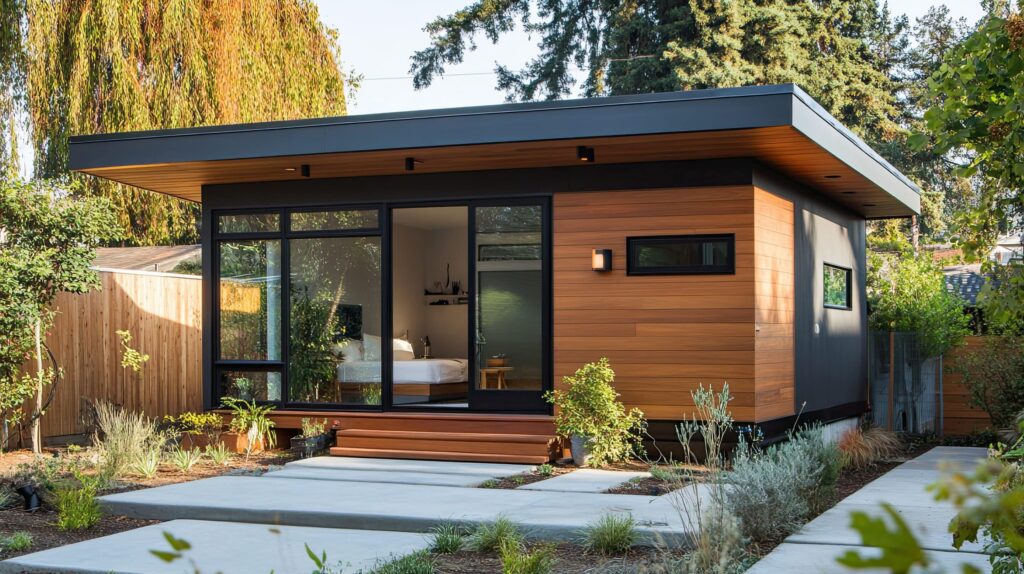
Adding unnecessary custom features, complex layouts, or excessive specifications increases costs without proportional benefits.
Why this happens: You want something unique and special. Custom design feels premium.
The reality: Most renters and family value functional space and quality finishes over architectural complexity. Custom features cost thousands but don’t increase rent.
What it actually costs: Custom design adds $20,000-$40,000 in fees and construction complexity. Delays extend timelines by 8-16 weeks. Furthermore, rental income doesn’t increase proportionally.
How to avoid it: Stick to proven layouts. Invest in quality materials and finishes rather than architectural complexity. Learn about custom vs premium packages.
Mistake 9: Poor Communication with Builders
Assuming builders understand your expectations without clear documentation and regular communication creates disappointment and conflict.
Why this happens: You think your verbal discussions were clear. You assume builders share your priorities. You don’t want to seem difficult by asking too many questions or requesting written confirmation.
The reality: Verbal discussions get forgotten or misunderstood. Assumptions differ between clients and builders. Lack of documentation makes resolving disagreements impossible. Consequently, poor communication causes most client-builder conflicts.
What it actually costs: Misunderstandings create rework costing $3,000-$8,000. Conflicts cause delays of 2-4 weeks. Disappointment with final results reduces satisfaction even when technically meeting specifications.
How to avoid it: Document all important decisions in writing via email. Maintain regular communication throughout the project. Ask questions promptly rather than assuming. Verify understanding of expectations before proceeding to next phases.
Mistake 10: Neglecting Property Management Planning
Building a granny flat investment for rental without planning how you’ll manage tenants creates stress and reduces returns.
Why this happens: Managing one granny flat tenant seems straightforward. You don’t want to pay property management fees of 7-8%. You’ll handle it yourself.
The reality: Tenant selection, lease administration, maintenance coordination, rent collection, conflict resolution, and legal compliance take significant time and expertise. Poor tenant selection from inexperienced screening costs thousands in damages, lost rent, or eviction proceedings.
What it actually costs: One bad tenant can cost $10,000-$20,000 in lost rent, damages, and legal fees. Your time managing tenants has value even if you don’t pay yourself. Stress from landlord responsibilities affects quality of life.
How to avoid it: Budget for professional property management from the start. The 7-8% cost ($1,800-$2,000 annually on $500 weekly rent) provides expertise in tenant selection, lease administration, maintenance coordination, and legal compliance. Therefore, your time and stress reduction justify the cost. Learn about maximising rental income.
Conclusion
Avoiding common granny flat mistakes in Melbourne saves thousands in unnecessary costs and months of delays. Choose builders on complete value rather than lowest quotes, budget 5-10% above construction costs for contingencies, prioritize quality over excessive size, verify builder credentials thoroughly, and plan for flexible long-term use.
Furthermore, successful backyard granny flats require proper planning, realistic budgeting, and working with experienced professionals who guide you through the process. Contact Innovista Group to discuss how our proven processes help Melbourne property owners avoid these common and costly mistakes. Additionally, request your free site assessment to get started on the right path.


