
test
Your mum visits your new granny flat, walks into the kitchen, and asks where the gas cooktop is. You point to the sleek induction surface. “That’s electric,” she says, confused. “But how do you actually cook on it?”
This conversation plays out across Melbourne weekly as homeowners discover their new secondary dwellings can’t connect to gas—at all. No gas cooking, no gas hot water, no gas heating. Just electricity.
Since January 2024, Victoria banned reticulated natural gas connections for all new residential buildings, including granny flats. The regulation applies whether you need a planning permit or not. If you’re building in 2026, your granny flat runs entirely on electricity.
Here’s what the all-electric requirement means, which appliances replace gas systems, costs involved, and whether electric really works as well as gas.
Amendment VC250 to Victoria’s Planning Provisions took effect on 1 January 2024, preventing planning permits for dwellings connecting to reticulated natural gas. The policy extends Victoria’s Gas Substitution Roadmap—the state’s plan to reach net zero emissions by 2045 while reducing household energy costs as gas prices climb.
Victoria uses more residential gas than any Australian state, with 80% of homes connected. The gas sector contributes 17% of the state’s emissions. The ban closed an initial loophole where secondary dwellings without permits could still connect to gas. The government extended all-electric requirements to every new residential building in September 2024.
The rule applies only to reticulated natural gas—the piped network. Bottled LPG remains technically legal but impractical for permanent dwellings.
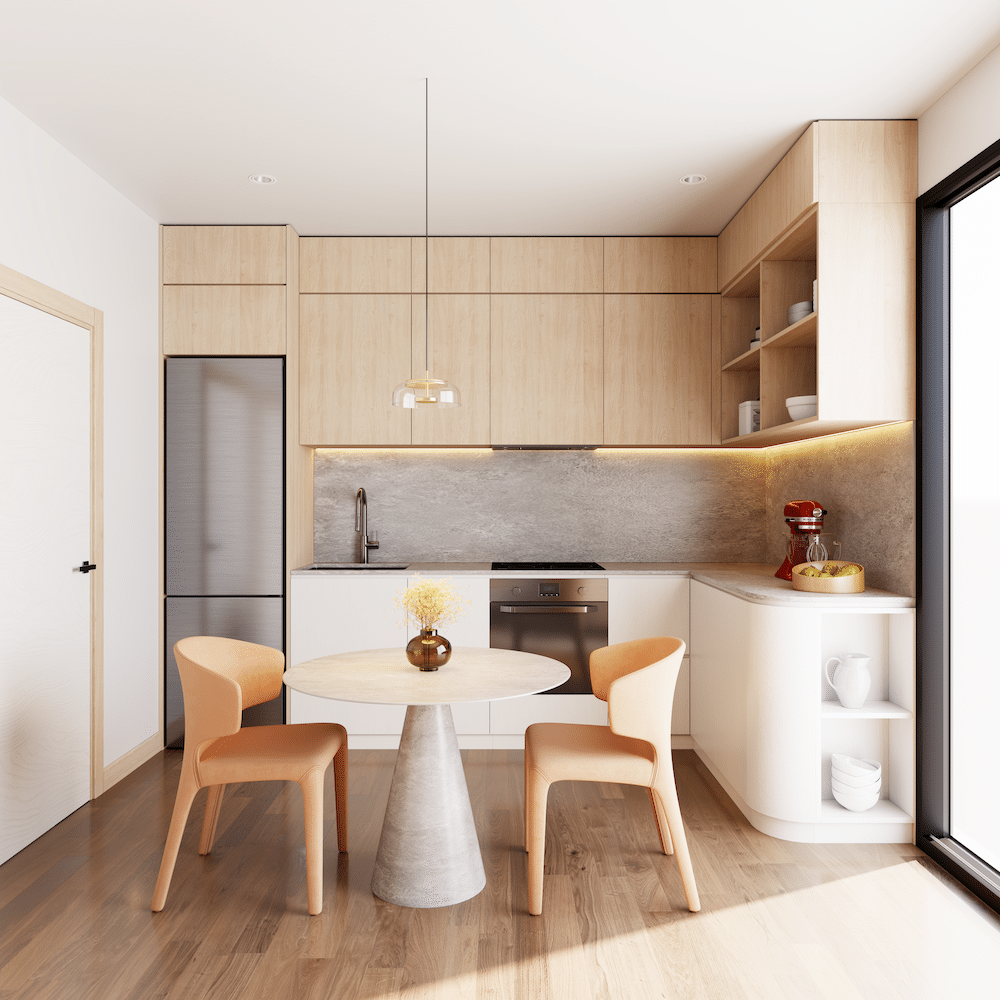
All-electric means replacing gas appliances across cooking, hot water, and heating.
Electric cooking uses induction cooktops. Induction uses electromagnetic fields to heat pots directly, delivering heat control comparable to gas with faster boiling and easier cleanup. You need magnetic cookware—stainless steel or cast iron works.
Most people adapt within weeks. Professional chefs increasingly prefer induction for precision control.
Heat pump hot water extracts warmth from ambient air and transfers it to water, using one-third the electricity of resistance systems. Installation costs run $3,500-$5,500, but Victorian Government rebates offer up to $1,000 off. Annual savings reach $400-$600 versus gas.
Electric heating and cooling means reverse-cycle split systems. Modern inverter splits provide both heating and cooling, with operating costs lower than gas heaters. Installation runs $1,200-$2,500 for 60m² coverage.
Building all-electric adds upfront costs but reduces long-term operating expenses.
Upfront difference: $4,000-$7,000 more for all-electric packages. Heat pump hot water costs more than gas instantaneous units, and induction cooktops price slightly higher. However, you avoid gas connection fees ($1,500-$2,000), partially offsetting appliance costs.
Operating savings: $800-$1,200 annually for typical usage. Victorian Government estimates all-electric homes save up to $1,000 yearly, with savings reaching $2,200 for homes with solar panels.
Maintenance costs: Lower for electric systems. Induction cooktops have no burners to clean or replace, heat pumps require minimal servicing versus gas units.
Payback through operating savings typically runs 4-6 years. For rental properties, landlords benefit from lower maintenance while tenants enjoy reduced utility bills.
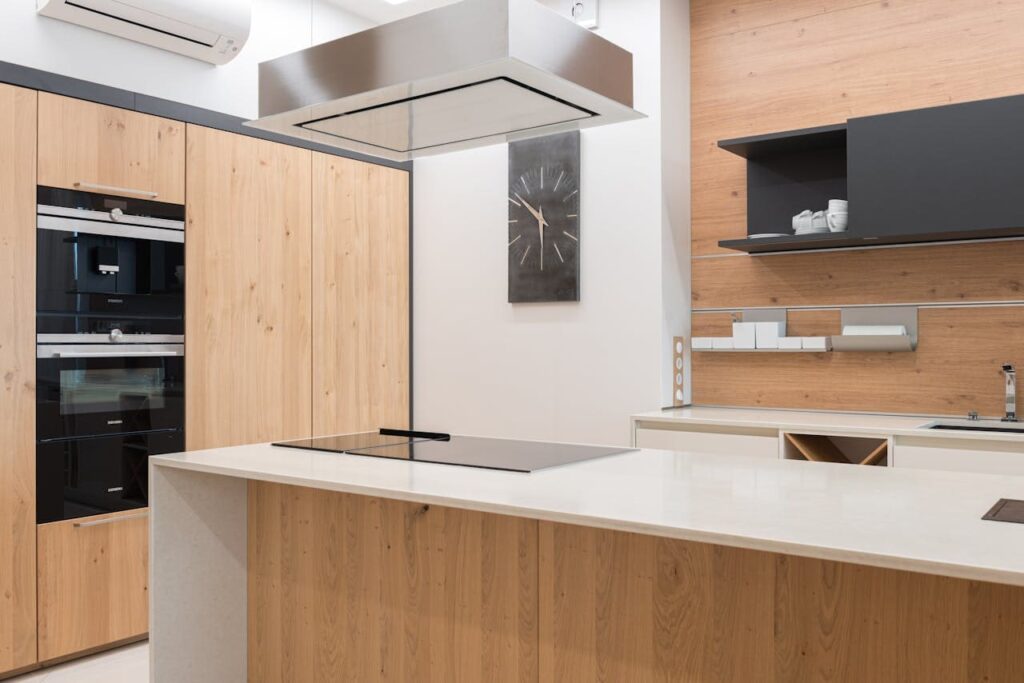
The all-electric requirement applies only to new construction. Existing granny flats with gas connections installed before January 2024 continue operating normally. You can repair gas appliances indefinitely.
Replacement triggers the electric requirement—when gas systems reach end-of-life, you must switch to efficient electric alternatives. Repairing remains legal; replacement triggers compliance.
For granny flats built under DPU transitional provisions before the gas ban, this creates no immediate burden.
Plan for all-electric from the start when building in 2026.
Electrical upgrades: Older houses need switchboard upgrades. Budget $2,000-$4,000 for replacement if your electrical dates back 15+ years. Our electrical requirements guide covers this.
Solar panels: A 5kW system ($4,000-$6,000 after rebates) covers most daytime electricity use.
Quality appliances: Choose premium induction and heat pump systems. The performance gap between good and cheap electric is massive.
Efficient design: Our Signature and Luxe packages include superior insulation and double glazing, reducing heating and cooling loads.
The no-gas rule isn’t changing. Victoria’s pushing toward complete residential gas phase-out, with regulations already covering all new construction. Modern electric appliances work well when you choose quality systems and design for efficiency.
You’ll pay more upfront and face a learning curve with induction, but operating costs fall substantially and maintenance headaches decrease.
Ready to build an all-electric granny flat? Contact our team to discuss packages meeting 2026 all-electric requirements with quality appliances and proper electrical design.
Download our in-built 25 page “Ultimate Guide to Granny Flats in Victoria (2025 Edition)” to unlock expert insights, design tips, planning advice & construction costs to build your perfect Granny Flat. Get your free copy instantly – just enter your details below.