
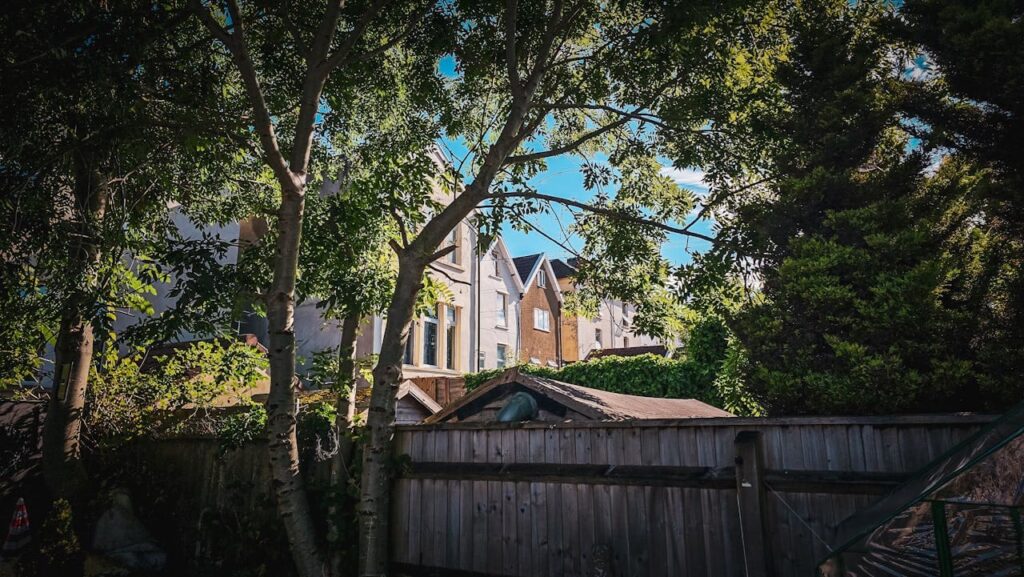
Sharing a property between main house occupants and granny flat residents requires deliberate privacy planning that many families underestimate until construction completes and daily life reveals uncomfortable overlaps. Sightlines between dwellings, acoustic carry from outdoor conversations, shared pathway conflicts and lighting spill all create friction that thoughtful design prevents but reactive solutions struggle to fix cost-effectively after construction. Getting privacy right from the outset costs considerably less than retrofitting solutions onto completed builds.
Understanding which privacy challenges arise most frequently in Melbourne backyard granny flat arrangements helps you design solutions before they become problems. This guide covers the eight most effective privacy strategies, their costs and implementation timing for maximising family harmony without sacrificing liveability for either dwelling.
Window and Door Orientation: The Foundation Strategy
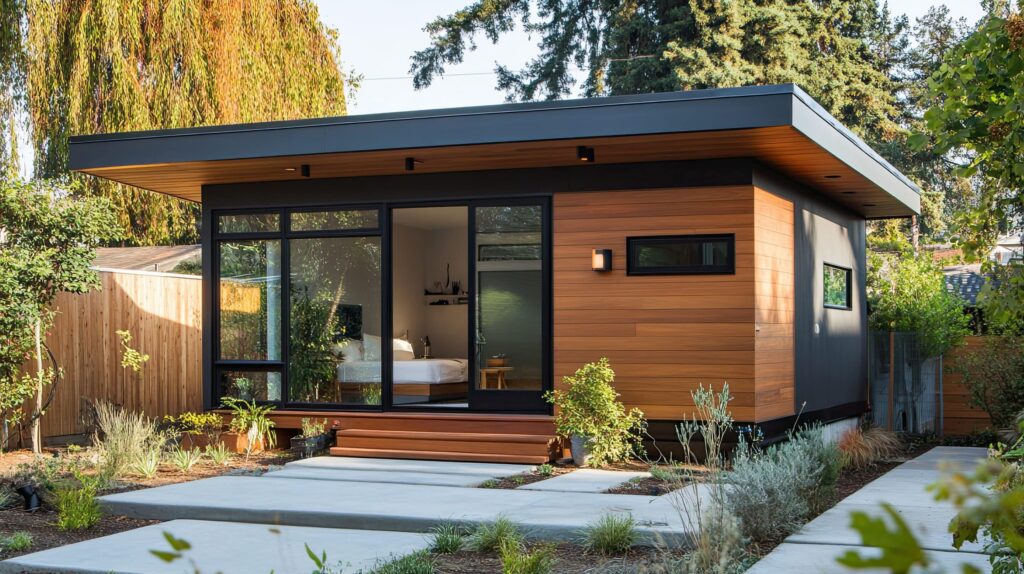
Building orientation determines the majority of visual privacy outcomes before any landscaping or fencing investment. Positioning granny flat windows and doors facing away from main house windows eliminates most sightline conflicts at zero additional cost.
The Stella L-shape floor plan naturally achieves this by wrapping around a private courtyard facing away from main house living zones. Aurora’s linear design positions primary glazing toward the rear boundary, away from main house windows. Lana’s balanced layout requires deliberate window placement during design to avoid direct sightlines into main house living areas.
During design consultations, identify which main house windows overlook the proposed granny flat zone. Avoid positioning granny flat bedroom or bathroom windows facing these zones. Living area windows can face main houses when separated by adequate distance (8m+ typically provides comfortable privacy) but bedroom windows warrant more conservative placement.
Sliding door orientations matter significantly for outdoor privacy. Granny flat entry doors facing main house entries create unavoidable daily interaction that some families welcome but others find intrusive. Separate entry orientations allowing independent access without visual or acoustic overlap preserve independence for both households.
Acoustic Fencing: Managing Sound Transmission
Sound travels readily across typical suburban backyards, with outdoor conversations, television audio and kitchen sounds carrying 15-20 metres in still conditions. Melbourne’s compact residential blocks often position granny flats 6-10 metres from main houses, within comfortable sound transmission range.
Standard timber paling fences (90mm paling with 25mm gaps) provide minimal acoustic attenuation—approximately 10-15 decibels reduction. Acoustic fencing systems using mass-loaded vinyl between double timber framing achieve 25-35 decibel reductions, meaningfully reducing conversation intelligibility across property zones.
Acoustic fence panels cost $180-$280 per linear metre installed, compared to $80-$120 for standard paling fences. A 6-metre acoustic fence section between dwellings costs $1,080-$1,680 more than standard alternatives. This investment prevents the discomfort of overhearing private conversations that erodes family relationships over time.
Solid masonry walls (brick or concrete block) provide superior acoustic performance (35-45 decibel reduction) but cost $350-$600 per linear metre. These suit permanent boundary definitions between dwellings where maximum acoustic separation justifies premium investment.
Landscaping Screens: The Natural Solution
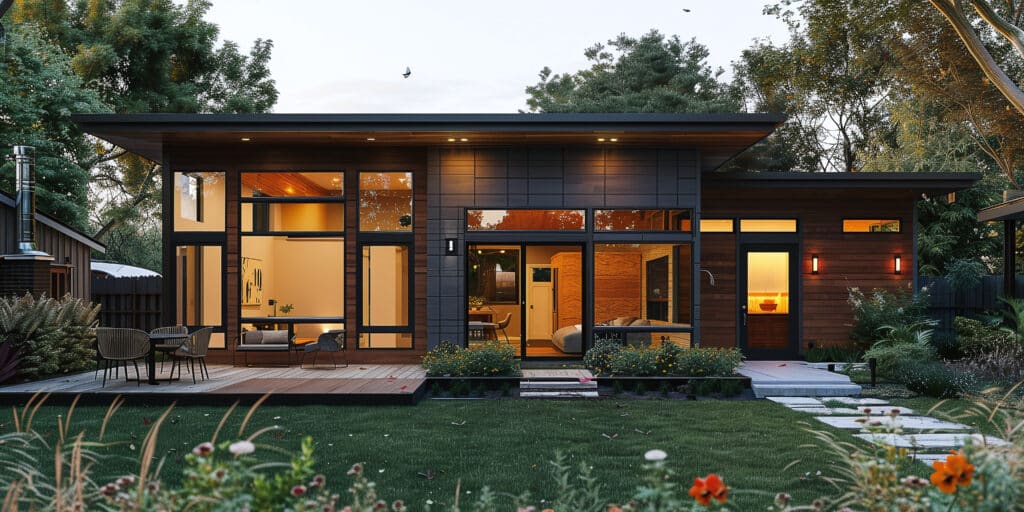
Established landscaping provides effective visual screening whilst enhancing property aesthetics beyond purely functional fencing solutions. Strategic planting creates privacy within 2-3 growing seasons whilst improving property values.
Bamboo screening: Clumping bamboo varieties (Bambusa textilis, Bambusa oldhamii) reach 4-6 metres within 2-3 years, providing dense screening. Clumping varieties avoid invasive spreading that running bamboo creates. Established clumps cost $80-$150 per plant, with 3-4 plants covering 3-4 linear metres of screening width.
Photinia hedges: Red Robin photinia grows 400-600mm annually, reaching 3-4 metre screening height within 5-6 years. Lower establishment costs ($30-$50 per plant) suit budget-conscious families willing to wait for screening maturity. Established plants provide dense year-round screening with seasonal red foliage colour.
Lilly pilly varieties: Native screening plants tolerating Melbourne’s climate extremes whilst providing dense privacy. Syzygium australe (Brush Cherry) reaches 3-4 metres with regular trimming. Native status reduces maintenance requirements and improves ecological value.
Screening garden establishment costs $2,000-$5,000 for typical 8-12 metre screening lengths including plants, soil preparation and irrigation installation. This investment delivers privacy, improved aesthetics and property value enhancement beyond purely functional fence alternatives.
Decking Orientation and Balustrade Selection
Outdoor living areas generate the most family interaction conflicts when poorly oriented. Main house and granny flat decks facing each other create constant visual awareness that prevents relaxed outdoor use.
Positioning granny flat decking to face away from main house outdoor areas, or separating deck orientations by 90 degrees, eliminates direct visual overlap. The Luxe package’s decking at front and one side facilitates this by providing outdoor space on non-main-house-facing elevations.
Balustrade selection affects privacy significantly. Open cable or glass balustrades provide safety without visual screening, maintaining sightlines across decks. Solid timber or metal panel balustrades (900mm-1100mm height) provide partial screening for seated occupants. Extended privacy screens (1500-1800mm height) provide standing-height privacy for deck areas that require complete visual separation.
Privacy screen additions to existing deck balustrades cost $150-$300 per linear metre depending on material selection. A 4-metre privacy screen section costs $600-$1,200, providing complete visual separation for outdoor entertaining without full fence installation.
Pathway Design: Managing Daily Movement
Shared pathways between main houses and granny flats create daily interaction that families either appreciate for connection or resent for intrusion, depending on relationship dynamics.
Designing separate pathway systems for each dwelling allows independent movement without constant awareness of others’ comings and goings. Side access pathways for granny flat entries enable residents to enter and exit without traversing main house zones.
Where separate access isn’t possible, pathway width and surface treatments influence interaction patterns. Wider shared pathways (1.5-1.8 metres) allow passing without close contact. Clear sight lines along pathways prevent startling encounters that create social awkwardness.
Path lighting on separate circuits for each dwelling prevents main house lighting decisions affecting granny flat residents and vice versa. Motion-activated lighting on independent circuits provides security without creating lighting-related conflicts between households.
Lighting Management Between Dwellings
Evening light spill from main house windows and outdoor lighting affects granny flat residents’ privacy and sleep patterns when buildings sit in close proximity.
Directional outdoor lighting focused on specific zones rather than broad area flood lighting minimizes spill across property. LED downlights with focused beam angles (25-40 degrees) illuminate intended areas without spilling into neighbouring dwelling windows.
Window treatments in both dwellings manage light spill from interior lighting during evening hours. Blackout blinds or block-out curtains in granny flat bedrooms facing main house windows prevent sleep disruption from interior lighting habits. These additions cost $200-$400 per window but dramatically improve sleep quality and perceived privacy.
Your Next Steps to Privacy Planning
Effective privacy requires planning during design phases rather than after construction completes. Book a free site assessment where we evaluate your specific block configuration and identify privacy challenges before they become post-construction problems.
Contact Innovista Group to discuss privacy-optimised floor plan orientations and design selections for your property. Our experience with multigenerational families sharing properties helps you establish privacy foundations supporting long-term family harmony rather than creating friction that strains relationships over time.