

When comparing granny flat builders, most people focus on price, inclusions, and portfolio quality. Few ask about project management structure until communication breaks down mid-construction. That’s exactly when you discover whether your builder uses a single dedicated project manager or spreads responsibility across multiple people handling dozens of projects simultaneously.
The project management model your builder uses determines communication quality, problem-solving speed, and whether your build finishes on schedule. Industry data shows that 80% of timeline delays trace directly to poor project coordination, not actual construction issues. Understanding which model protects your timeline and sanity before signing contracts prevents months of frustration.
The Single Project Manager Model Explained

Some granny flat builders assign one dedicated project manager who oversees your build from initial consultation through final handover. This person becomes your single point of contact for everything.
How it works in practice: Your project manager attends site assessments, coordinates permit applications, schedules trades, orders materials, conducts inspections, and handles any issues arising during construction. When you call or email, you reach the same person who knows your project intimately.
Advantages of single point contact:
| Benefit | Impact on Your Build |
|---|---|
| Relationship continuity | Build trust, no need to re-explain concerns |
| Accountability clarity | One person responsible for outcomes |
| Decision speed | No internal coordination delays |
| Communication simplicity | Single phone number, one contact |
| Problem ownership | Manager invested in solving issues quickly |
When this model works best: Single project managers excel with custom built granny flats requiring numerous client decisions about finishes, layouts, and specifications. The dedicated relationship allows nuanced communication about preferences and priorities.
Potential weaknesses: If your project manager takes holidays, falls ill, or leaves the company mid-project, you’re left without clear coverage. Some builders address this with backup managers, but transition always causes friction.
The Team Approach Model Explained
Other granny flat builders use team-based structures where different specialists handle distinct project phases. You might work with separate people for sales, design, permits, construction management, and handover.
How team structures typically work:
Sales consultant handles initial contact, quotes, and contract signing. Once you sign, they hand you to the design team.
Design coordinator manages plans, engineering, and permit applications. After permits arrive, the construction manager takes over.
Construction manager oversees the actual building process, coordinating trades and inspections. At completion, a handover specialist conducts final walkthrough.
Post-construction support comes from yet another person handling warranty claims and maintenance issues.
Advantages of team specialisation:
Different people bring deep expertise in their specific areas. Your design coordinator focuses solely on design and permits, becoming exceptionally efficient. Construction managers spend entire days on sites, understanding building realities better than people splitting time across multiple roles.
Coverage continues smoothly when individuals take leave because team members cover each other’s projects. No single person’s absence stalls your build.
Larger teams can handle more projects simultaneously, potentially reducing wait times for construction slots.
When this model works best: Team approaches suit standard package builds where decisions follow predictable patterns. The systemisation helps builders deliver consistent quality across many projects.
Where Team Models Often Break Down
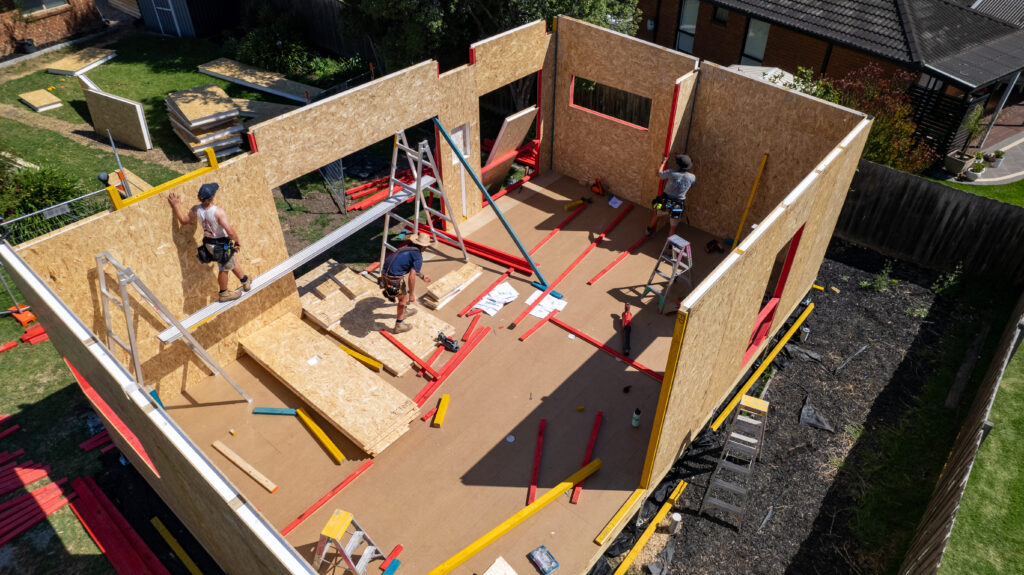
Despite theoretical advantages, team structures frequently cause problems in practice. Understanding common failure points helps you evaluate whether specific builders manage teams effectively.
Information loss between handovers: You explain your mother’s mobility issues to the sales consultant. That information doesn’t reach the construction manager, who builds standard bathroom layouts instead of accessible ones. Now you’re fighting for modifications mid-construction.
Accountability confusion: The deck isn’t level. Construction manager blames design team for incorrect specifications. Design team claims construction deviated from plans. You spend weeks mediating internal conflicts instead of getting problems fixed.
Communication overload: Five different people contact you at various stages. Each asks similar questions because they haven’t reviewed previous conversations. You feel like you’re managing the project instead of the builder managing it.
Priority conflicts: Your construction manager handles 15 simultaneous projects. When issues arise on your site, they’re juggling responses across multiple builds. Your concerns wait days for attention while high-priority projects get immediate focus.
According to the Australian Institute of Project Management, construction projects with unclear responsibility structures experience 3.2x more delays than those with clear accountability chains.
Hybrid Models: The Best of Both Approaches
Progressive granny flat builders Melbourne teams increasingly use hybrid models capturing single manager benefits whilst maintaining team expertise.
How Innovista’s hybrid approach works:
You get a dedicated project coordinator who manages your build from start to finish. This person becomes your single point of contact, attending initial consultations, site assessments, and final handovers.
Behind your coordinator sits our specialist team: experienced designers, permit specialists, construction supervisors, and trades coordinators. Your project coordinator accesses this expertise whilst maintaining communication continuity with you.
Real-world example: You want to modify the kitchen layout mid-design. Rather than you contacting a design team directly, your project coordinator takes your request, consults with designers, gets cost and timeline impacts, and presents unified recommendations. You get expert input without managing multiple relationships.
What this achieves:
| Single Manager Benefits | Team Expertise Benefits |
|---|---|
| One contact for everything | Specialist knowledge when needed |
| Relationship continuity | Deep expertise in each area |
| Clear accountability | Coverage during leave periods |
| Communication simplicity | Multiple simultaneous projects handled |
This hybrid structure explains why Innovista builds complete within 16-20 weeks whilst maintaining high client satisfaction. The project coordinator ensures nothing falls through communication gaps whilst specialists deliver technical excellence.
Questions To Ask About Project Management
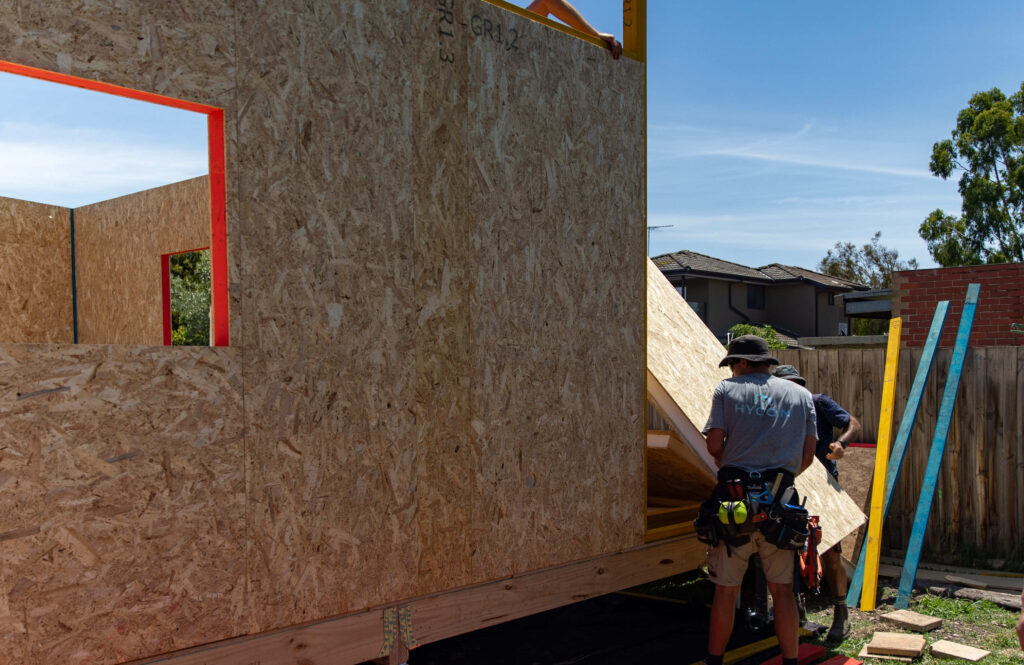
When evaluating granny flat builders, these questions reveal their project management approach and whether it protects your interests.
Who will be my main contact during construction? If they can’t name a specific person, that signals poor coordination. “Our office staff” or “whoever’s available” are red flags.
How many projects does that person manage simultaneously? More than 8-10 active projects means diluted attention. Your concerns wait longer for responses.
What happens if my project manager is unavailable? Quality builders have clear backup protocols. Vague answers about “team coverage” often mean confusion and delays.
How are decisions communicated between team members? Digital systems tracking decisions and communications prevent information loss. Builders relying on verbal handovers lose critical details.
Can I see your communication protocol? Professional builders document how often they update clients, what information gets shared, and response time expectations. This prevents mismatched expectations.
How do you handle urgent issues? Clear escalation processes ensure critical problems get immediate attention. Builders without protocols leave you wondering who to contact when issues arise.
Red Flags Indicating Poor Project Management
Regardless of whether builders use single managers or teams, certain warning signs indicate problematic project management practices.
Difficulty reaching anyone for information: If getting responses takes 3-5 days during the quoting phase, expect worse during construction when they have your deposit.
Different people providing contradictory information: When the sales consultant says one thing and the design team says another, internal communication has failed. This gets worse during construction.
Unclear responsibility for decisions: “I’ll have to check with someone” responses to basic questions signal confusion about who has authority for what.
No written communication protocols: Verbal-only communication means no accountability when disputes arise about what was promised versus delivered.
Resistance to direct site contact: Quality granny flat builders welcome site visits. Those discouraging contact may be hiding coordination problems or poor workmanship.
What Good Project Management Looks Like

Whether builders use single managers, teams, or hybrid models, excellent project management shares common characteristics worth seeking.
Proactive communication: You receive regular updates without needing to chase information. Weekly progress reports during construction keep you informed.
Clear decision timelines: “We need your fixture selections by Friday” beats “let us know when you’re ready.” Good managers keep projects moving through clear timeframes.
Problem-solving ownership: When issues arise, managers present solutions rather than excuses. “Here are three options for addressing this, with costs and timeline impacts for each” demonstrates professional management.
Documentation habits: Everything important gets confirmed in writing. Verbal agreements followed by email summaries prevent disputes about what was actually decided.
Realistic expectations: Good managers under-promise and over-deliver. “We’ll aim for 18 weeks but expect 20” beats promising 12 weeks then delivering in 24.
Your Next Steps To Well-Managed Builds
Project management quality determines whether building your granny flat becomes a smooth, professional experience or months of frustration trying to coordinate confused builders.
Interview your potential project manager: Contact Innovista Group and request to speak with the actual person who would coordinate your build. Quality builders facilitate these conversations readily.
Request reference checks: Ask to speak with 2-3 recent clients about communication quality, responsiveness, and problem-solving. Past performance predicts future results.
Understand the backup plan: Know who covers your project manager during holidays or illness. Clear coverage protocols prevent abandoned builds.
Review written protocols: Book a free site assessment where we’ll explain our communication systems, decision timelines, and how our hybrid approach ensures nothing falls through cracks.
Ready to build with professional project management that actually works? Our hybrid model provides dedicated single-point contact backed by specialist team expertise. Melbourne families appreciate knowing exactly who to contact whilst benefiting from deep expertise across design, permits, construction, and council compliance.
The project management model matters more than most people realise until communication breaks down mid-construction. Starting with builders who’ve perfected coordination systems prevents the frustration 80% of DIY-managed or poorly-coordinated builds experience.