
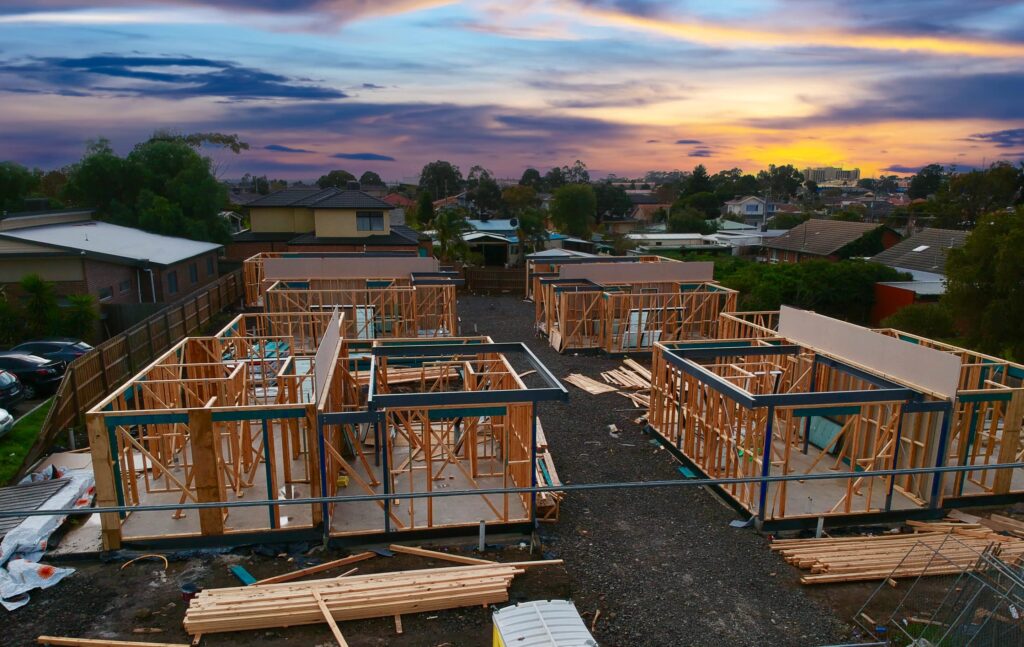
One of the most common questions Melbourne property owners ask when researching granny flat investments is deceptively simple: “Can I just buy a vacant block and build a granny flat on it?” The answer is definitively no, and understanding why reveals the fundamental legal nature of what a granny flat actually is under Victorian planning law.
A granny flat isn’t legally classified as a primary dwelling. It’s a secondary dwelling, and that distinction carries significant regulatory implications. Victorian councils don’t permit secondary dwellings to exist independently on vacant land. You must have a primary residence on the property first. Here’s why this rule exists, what it means for property owners, and how it shapes granny flat investment strategies across Melbourne.
What Makes a Granny Flat a “Secondary Dwelling” Under Victorian Law
Victorian planning provisions define a granny flat (officially termed a “small second dwelling”) as exactly what the name suggests: a second dwelling. Legislation explicitly requires that a secondary dwelling exists in addition to, not instead of, a primary dwelling on the same property.
The Legal Definition
Under Victoria’s planning schemes, a secondary dwelling must meet specific criteria:
Subsidiary to primary dwelling: The granny flat must be clearly secondary to the main house. It’s not a standalone property but an additional dwelling on land that already contains a primary residence.
Same title: Both dwellings must exist on the same title (the same piece of land). You cannot subdivide the land to create separate titles for the primary dwelling and the granny flat.
Size limitations: Victorian regulations limit secondary dwellings to 60 square metres in most areas. This size restriction reinforces the subsidiary nature of granny flats relative to primary dwellings.
Self-contained facilities: Despite being secondary, the granny flat must include its own bathroom, kitchen, and living facilities. It functions as an independent dwelling whilst remaining legally subordinate to the primary house.
This legal framework means a granny flat cannot exist in isolation. The moment you remove the primary dwelling from a property, the granny flat loses its legal status as a secondary dwelling and becomes non-compliant with planning regulations.
Why the Terminology Matters
The terms “granny flat” and “secondary dwelling” aren’t interchangeable marketing phrases. They’re legal classifications that determine what you can build, where you can build it, and how councils process applications.
When you apply for approval to build a granny flat in Melbourne, you’re not applying for permission to construct a small house. You’re applying for permission to add a secondary dwelling to an existing property that already contains a primary dwelling. This distinction fundamentally shapes how councils evaluate applications, what regulations apply, and what approval pathways are available.

Why Victorian Councils Require a Primary Dwelling First
Victorian planning regulations didn’t arbitrarily decide that granny flats need primary dwellings. The requirement serves specific planning objectives and prevents several potential issues.
Preventing Land Subdivision Avoidance
One key purpose of requiring a primary dwelling is preventing developers from circumventing subdivision regulations. Without this rule, developers could purchase land, build multiple small “granny flats” on a single title, and effectively create a multi-dwelling development without meeting the rigorous requirements that apply to proper subdivisions or multi-unit developments.
Subdivision involves significant infrastructure requirements, planning overlays, and community consultation processes. Allowing secondary dwellings on vacant land would provide a loophole around these important planning controls.
Maintaining Residential Character
Victorian planning schemes aim to maintain the established character of residential neighbourhoods. Primary dwellings typically occupy the front portion of properties, with secondary dwellings positioned in rear yards. This arrangement preserves street frontage character whilst allowing increased housing density.
If secondary dwellings could exist independently on vacant land, you’d see small structures built on undersized lots scattered throughout established suburbs, fundamentally altering neighbourhood character in ways that weren’t subject to proper planning evaluation.
Infrastructure and Service Capacity
Council infrastructure (roads, drainage, water, sewerage, electricity) is planned based on expected residential density. Primary dwellings represent the primary infrastructure load, with secondary dwellings adding incremental additional demand.
Allowing standalone secondary dwellings would enable significantly higher residential density than infrastructure was designed to support, potentially overwhelming systems without the infrastructure upgrades that accompany approved subdivision or multi-unit developments.
Ensuring Residential Amenity Standards
Primary dwellings must meet comprehensive building standards regarding solar access, private open space, parking, setbacks, and amenity. These standards ensure liveable residential environments.
Secondary dwelling regulations are slightly more flexible because they exist alongside primary dwellings that already provide primary amenity. Allowing them to exist independently would mean residents living in dwellings that don’t meet the full standards required for primary residences.
What Constitutes a “Primary Dwelling” in Victoria
Understanding what qualifies as a primary dwelling helps clarify why vacant land doesn’t meet the requirements for adding a granny flat.
Legal Requirements for Primary Dwellings
A primary dwelling must be:
A complete, habitable residence: Not a shed, garage, or outbuilding repurposed with minimal amenities. It must be a properly constructed dwelling designed and approved for residential habitation.
Compliant with building standards: The dwelling must have valid building permits, comply with building codes, and meet all structural, safety, fire, energy efficiency, and habitability standards for primary residences.
Connected to essential services: The primary dwelling must have proper connections to water, sewerage, electricity, and stormwater drainage meeting residential standards.
Legally approved for residential use: The property must be zoned for residential use, and the dwelling must have been legally constructed with appropriate permits and approvals.
Actually existing: Plans to build a primary dwelling don’t satisfy the requirement. The dwelling must be physically present and habitable before you can add a secondary dwelling.
What Doesn’t Qualify as a Primary Dwelling
Several structures that property owners sometimes hope might qualify actually don’t meet the legal definition:
Sheds or outbuildings: Even large, well-finished sheds with some residential features don’t qualify as primary dwellings unless they were specifically designed, approved, and constructed as habitable residences.
Caravans or mobile homes: Temporary or mobile structures, even if connected to services, don’t satisfy primary dwelling requirements.
Partially completed constructions: A primary dwelling under construction doesn’t qualify until it’s completed, received final building inspections, and obtained an occupancy certificate.
Non-compliant dwellings: If your existing house lacks proper permits, doesn’t meet building standards, or is otherwise non-compliant, it may not qualify as a legitimate primary dwelling.
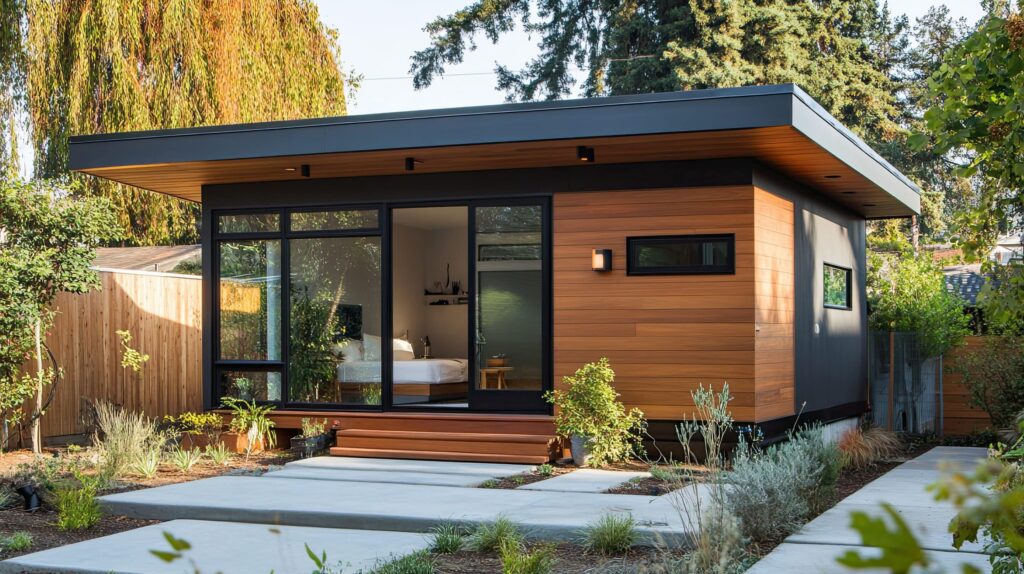
The Practical Implications: Why You Can’t Start with a Granny Flat
These regulations create practical limitations that affect property investment strategies in Melbourne.
Empty Land Scenario
Imagine you own or purchase a vacant 600-square-metre block in Melbourne’s growth corridors. You’re thinking: “I’ll build a small, affordable granny flat first for $200,000, live in it, and build a larger primary house later when I’ve saved more money.”
This approach violates Victorian planning regulations. Councils won’t approve a secondary dwelling on vacant land, regardless of your intentions for future construction. The primary dwelling must exist first.
If you build without approval, councils can issue enforcement orders requiring you to cease use, modify the structure, or even demolish it. The dwelling would be illegal, affecting your ability to insure it, sell the property, or obtain financing.
Demolished Primary Dwelling Scenario
Another scenario property owners sometimes consider: “I’ll buy a property with an old house, demolish it, build my modern granny flat first, then build a new primary dwelling later.”
This also violates regulations. Once you demolish the primary dwelling, the property becomes vacant land from a planning perspective.
If you wish to demolish and rebuild, the typical approach is building the new primary dwelling first, then adding your secondary dwelling once the new primary house is complete and habitable.
Investment Property Strategy Limitations
These rules affect granny flat investment strategies. You cannot purchase cheap vacant land, build affordable granny flats, and rent them out as a low-capital-requirement investment strategy.
This requirement actually protects the quality and viability of granny flat investments by ensuring they exist in established residential areas with proper infrastructure and services.
Exceptions and Special Circumstances
Whilst the general rule prohibits secondary dwellings on vacant land, a few specific circumstances warrant consideration.
Dual Occupancy vs Secondary Dwelling
Some property owners confuse secondary dwellings with dual occupancy developments. These are fundamentally different planning concepts.
Dual occupancy involves building two independent dwellings on a single title, both considered primary dwellings for planning purposes. These developments are subject to different (and typically more stringent) planning requirements than secondary dwellings.
Dual occupancy may be possible on vacant land in some circumstances, subject to council approval and meeting specific requirements. However, this is not a granny flat or secondary dwelling—it’s a different development type entirely.
Rural and Township Zones
Some rural or township-zoned land has different regulations regarding secondary dwellings. In some cases, regulations may permit dwellings without the same strict primary dwelling requirements that apply in metropolitan residential zones.
However, these exceptions are highly specific to particular zones and councils. If you’re considering rural property, consult with a town planner familiar with the specific zone and council requirements.

What This Means for Property Owners and Investors
Understanding the secondary dwelling requirement shapes how property owners should approach granny flat projects.
Start with an Existing Property
The most straightforward path to building a granny flat is owning a property that already has an established primary dwelling. This could be:
Your current residence: Building a granny flat in your backyard for family members or rental income whilst continuing to live in your primary house.
An investment property with existing house: Purchasing an established property specifically to add a granny flat for enhanced rental yields.
Inherited property: Leveraging property you’ve inherited that already contains a primary dwelling to add a secondary dwelling for investment purposes.
Evaluate Properties for Granny Flat Potential
When purchasing property with the intention of adding a granny flat, evaluate both the primary dwelling and the land’s suitability:
Land size: Most Melbourne properties need at least 400-500 square metres to accommodate both dwellings whilst meeting setback and amenity requirements.
Primary dwelling condition: The existing house must be legitimate, compliant, and in reasonable condition.
Access and services: Consider whether the property has adequate access for construction and whether services can be extended to the granny flat location without excessive costs.
Council requirements: Different Melbourne councils have varying interpretations and requirements for secondary dwellings.
Budget Appropriately
Because you cannot build a granny flat on vacant land, your investment must account for either owning an established property already or purchasing one. This significantly affects capital requirements.
However, this requirement also protects your investment. Granny flats in established areas benefit from existing infrastructure, established neighbourhoods, and proven rental demand.
Why This Regulation Actually Benefits Granny Flat Owners
Whilst the requirement for a primary dwelling might initially seem restrictive, it actually creates several benefits for property owners.
Protects Property Values
By ensuring secondary dwellings exist only on established properties with primary dwellings, regulations protect residential property values. Neighbourhoods maintain their character and planning integrity.
Your granny flat investment benefits from being in an established, properly planned residential area.
Ensures Infrastructure Adequacy
Requiring primary dwellings first means that basic infrastructure exists before secondary dwellings are added. Your granny flat has access to adequate water, sewerage, electricity, drainage, roads, and other services from day one.
Maintains Rental Appeal
Quality tenants seek granny flats in established residential areas with good amenity, access to services, and neighbourhood character. By restricting secondary dwellings to properties with primary dwellings, regulations ensure granny flats exist in locations that command strong rents.
Provides Legal and Financial Security
Building a granny flat in compliance with secondary dwelling regulations provides legal certainty. Your investment is legitimate, insurable, and won’t face enforcement action from councils.
Working with Professionals Who Understand Secondary Dwelling Requirements
Successfully navigating Victorian secondary dwelling regulations requires working with builders and consultants who thoroughly understand the legal requirements and council processes.
Why Innovista Group’s Expertise Matters
Innovista Group specialises in granny flat construction across Melbourne, with comprehensive understanding of secondary dwelling regulations, council requirements, and approval processes.
Our experience includes:
Council approval management: We handle the entire approval process, ensuring applications properly address secondary dwelling requirements.
Site assessment: Our free site assessments evaluate whether your property with its existing primary dwelling is suitable for a granny flat.
Compliance expertise: Every Innovista granny flat is designed and constructed to meet secondary dwelling regulations, building codes, and energy efficiency standards.
Design optimisation: We design granny flats that maximise your property’s potential whilst respecting the subsidiary relationship to the primary dwelling that regulations require.

The Bottom Line on Granny Flats and Vacant Land
The answer to “Can I build a granny flat on vacant land?” is definitively no under Victorian planning regulations. Granny flats are secondary dwellings that legally and functionally depend on the existence of a primary dwelling on the same property.
This isn’t an arbitrary restriction. It serves important planning objectives: preventing subdivision avoidance, maintaining neighbourhood character, ensuring infrastructure adequacy, and protecting residential amenity standards.
For property owners and investors, this means granny flat projects must be built on properties that already contain legitimate, compliant primary dwellings. Whilst this increases capital requirements, it also protects your investment by ensuring granny flats exist in established residential areas with proper services, proven demand, and maintained property values.
Understanding the legal nature of secondary dwellings is fundamental to successful granny flat investment in Melbourne. Work with professionals who understand these regulations, ensure your property meets the requirements, and build your granny flat in full compliance with Victorian planning law.
Contact Innovista Group for a comprehensive consultation about your property’s suitability for a granny flat and to understand how secondary dwelling regulations apply to your specific situation. Our expertise ensures your granny flat project proceeds legally, smoothly, and successfully from approval through to completion.


