

Every property tells a story. Some blocks practically beg for a granny flat, whilst others present challenges that require creative problem-solving. Understanding what makes a site suitable—or unsuitable—for a granny flat can save you time, money, and disappointment.
A thorough site assessment separates successful projects from costly mistakes. This evaluation process examines everything from soil conditions to neighbour impacts, drainage to design possibilities. Here’s what an experienced eye looks for when assessing your property’s granny flat potential.
Why Site Assessment Happens Before Design
Many property owners jump straight to browsing granny flat designs online. They fall in love with a particular layout, then discover their property can’t accommodate it. This backwards approach leads to frustration and wasted consultant fees.
Proper site assessment happens first. Understanding your property’s constraints and opportunities shapes design decisions from the beginning. What works on a flat, rectangular block in Berwick won’t suit a sloping, triangular property in Eltham.
Physical characteristics, planning restrictions, and utility connections all influence your granny flat’s design, position, and cost. Identifying these factors upfront prevents expensive surprises during construction.
According to Theo Stone, the Granny Flat King: “Foundations, drainage, and structural integrity—the stuff you can’t see. Anyone can make something look pretty, but engineering is what lasts 50 years.”
This engineering perspective drives every site assessment. Understanding what lies beneath the surface matters just as much as what people see from the street.
Block Dimensions and Available Space
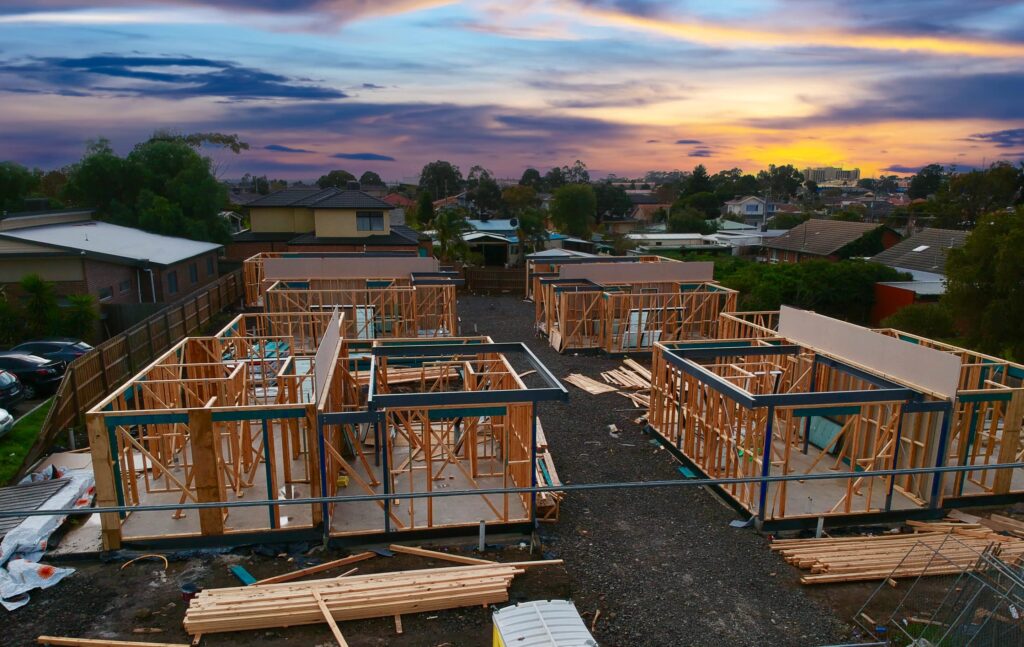
The first assessment step examines your property’s physical dimensions. Not every block can accommodate a granny flat, even if zoning permits one.
Available space determines maximum building size. After accounting for setbacks, existing structures, and required open space, you might have less buildable area than expected. Narrow blocks or properties with unusual shapes present particular challenges.
Minimum lot sizes vary by council. Some require at least 400 square metres, whilst others accept smaller properties. Understanding your council’s requirements prevents wasted planning on unbuildable proposals.
Existing buildings also consume available site coverage. Your main dwelling, garage, sheds, and any other structures count towards total coverage limits. Properties already near maximum coverage can’t add significant new buildings.
Topography and Ground Conditions
Flat blocks make granny flat construction straightforward. Sloping sites require more complex solutions but shouldn’t automatically rule out your project.
Significant slopes impact foundation costs. Properties dropping more than one metre across the building footprint need stepped foundations or split-level designs. These features add construction complexity and expense.
However, slopes also create opportunities. Clever design can position a granny flat to maximise views, privacy, or natural light. Downslope positions might enable under-floor storage or parking.
Ground conditions matter beyond visible topography. Soil type affects foundation requirements and costs. Clay soils require deeper, more robust footings than sandy soils. Properties with high water tables need additional drainage measures.
Drainage and Utility Connections
Proper drainage protects both your granny flat and neighbouring properties. Poor water management causes structural damage, flooding, and neighbourhood disputes.
Existing drainage patterns show how water flows across your property. Adding a granny flat changes these patterns, potentially creating problems if not managed properly.
Council requirements mandate that stormwater stays on your property or connects to approved drainage systems. Properties without adequate existing drainage need upgrades before adding a granny flat.
Sewer connections present another critical consideration. Your property’s existing sewer system might handle one dwelling but struggle with two. Upgrading sewer infrastructure adds cost but ensures reliable long-term performance.
Every granny flat needs electricity, water, and sewer connections. Distance from the main dwelling to the granny flat affects costs. Longer pipe runs and cable trenches mean higher expenses.

Access and Construction Logistics
Building sites need access for materials, machinery, and workers. Limited access complicates construction and increases costs.
Narrow side passages might prevent machinery access. Properties where the granny flat sits behind the main dwelling with only narrow side access face higher construction costs. Sometimes materials need hand-carrying rather than machine-placement.
The Granny Flat King notes: “Preparation and presentation. We submit applications that answer questions before they’re asked. Councils appreciate thoroughness—it shows you’re serious and compliant.”
Thorough access assessment ensures construction proceeds smoothly without unexpected complications or neighbour disputes.
Privacy and Neighbour Considerations
Successful granny flats balance your needs with neighbour considerations. Properties that ignore amenity impacts face objections and permit rejections.
Window positions affect privacy. Direct sightlines into neighbouring living areas or private open spaces create objections. Strategic window placement, screening, or offset positioning solves these concerns.
Building bulk and scale impact how neighbours experience their properties. Even though your granny flat meets height and setback requirements, poor positioning might create overbearing impacts that concern planners.
Site assessment identifies potential privacy and amenity concerns before they become problems. Early recognition enables design solutions that satisfy both your needs and neighbourhood harmony.
Solar Access and Energy Efficiency
Northern light and solar access significantly impact comfort and liveability. Properties with good north-facing positions enable energy-efficient, naturally lit granny flats.
Assessing solar access involves understanding sun paths, existing vegetation, and surrounding buildings. Granny flats positioned poorly might feel dark and cold despite meeting building codes.
Overshadowing neighbouring properties triggers planning objections. Shadow diagrams show how your granny flat affects neighbours at different times of year. Minimising shadow impact improves approval prospects and maintains good relationships.

Council Requirements and Planning Overlays
Beyond physical site features, planning overlays add specific requirements. Heritage overlays, design and development overlays, and bushfire zones all impact what you can build.
Some councils encourage granny flats as housing solutions. Others impose stricter requirements that limit approvals. Understanding your council’s attitude toward secondary dwellings shapes realistic expectations.
The Granny Flat King advises: “People dive in without checking their specific council’s rules first. Every council is different. Do your homework before you fall in love with a design.”
Experienced assessment considers these council-specific factors before recommending design approaches.
Making Assessment Work for You
Quality site assessment requires experience and expertise. Whilst online tools provide starting points, nothing replaces professional evaluation.
Experienced assessors spot issues that property owners miss. They also identify opportunities that aren’t immediately obvious. This expertise prevents costly mistakes and unlocks your property’s full potential.
Site assessment should happen before engaging designers or committing to specific concepts. Understanding constraints first enables better design decisions.
As Theo Stone explains: “If they haven’t thought about why they’re building it. Investment or family? Short-term or long-term? You need clear goals before spending $200k. I’d rather talk someone out of it than into it.”
Your property holds potential. Thorough site assessment reveals how to unlock it whilst avoiding expensive mistakes.
Ready to discover your property’s granny flat potential? The Granny Flat King and the team at Innovista Group provide comprehensive site assessments that examine every factor affecting your project. Contact us today for expert guidance on your granny flat journey and honest advice about turning your property vision into reality.