

Supporting an adult child with mental health challenges can be a constant worry. They need independence to build confidence but also support when symptoms worsen. Full independence can feel risky, while living together often creates tension. Granny flats in Melbourne offer a balanced solution—your child gains their own space while you remain close by. Partnering with support dwelling builders in Melbourne who understand these needs can make all the difference. Let’s explore how thoughtful design supports mental health recovery and long-term wellbeing.
Why Traditional Living Arrangements Create Challenges
Mental health conditions affect living arrangements significantly. What works for others often doesn’t work when mental health is a factor.
Living completely independently can be isolating. During difficult periods, your child might struggle with basic self-care. They might not reach out for help when needed. Distance makes it harder to notice warning signs.
Living in the family home often recreates childhood dynamics. Your adult child might feel infantilised or overly monitored. Privacy becomes impossible. Tensions increase. Everyone feels frustrated by arrangements that don’t quite work.
Granny flats on family property provide alternative arrangements. Separate space with nearby support offers balance that works better for many families.
The Importance of Safe, Stable Housing
Mental health professionals consistently emphasise that housing stability affects recovery significantly. Moving frequently, experiencing homelessness, or living in stressful environments worsens mental health symptoms.
Granny flats in Melbourne provide the stability mental health recovery needs. Your child knows they have secure accommodation. They’re not at risk of eviction if symptoms affect work. They’re not dealing with unpredictable housemates or landlords. This stability provides the foundation for managing their condition.
Custom granny flats designed with mental health considerations create environments actively supporting wellbeing rather than creating additional challenges.

Design Features Supporting Mental Health
The physical environment significantly affects mental health. Certain design elements can reduce anxiety, support routine, and promote wellbeing.
Natural light matters enormously. Inadequate natural light worsens depression and affects mood. Large windows, appropriate orientation, and skylights where possible maximise natural light exposure.
Views of nature provide measurable mental health benefits. Windows overlooking gardens or greenery rather than walls or roads support wellbeing. Access to outdoor spaces matters too.
Good acoustic design reduces stress from noise. Unwanted sounds increase anxiety and disrupt sleep. Proper insulation and soundproofing create calmer environments.
Adequate space prevents the claustrophobic feeling that sometimes triggers anxiety. Open floor plans create a sense of spaciousness even in compact areas.
Support dwelling builders in Melbourne experienced with mental health considerations understand how design choices affect daily wellbeing.
Creating Calm, Organised Spaces
Many mental health conditions involve executive function challenges. Organisation, routine, and structure become difficult. Design can support these needs rather than creating additional obstacles.
Adequate built-in storage reduces clutter that can feel overwhelming. Clear zones for different activities support routine development. Logical layouts reduce daily decision-making.
Calm colour schemes avoid visual overstimulation. Neutral tones with occasional accent colours create peaceful environments. Excessive patterns or visual complexity can increase anxiety for some people.
Quality finishes that are easy to clean reduce maintenance burden. When mental health struggles affect motivation, low-maintenance spaces prevent deterioration becoming overwhelming.
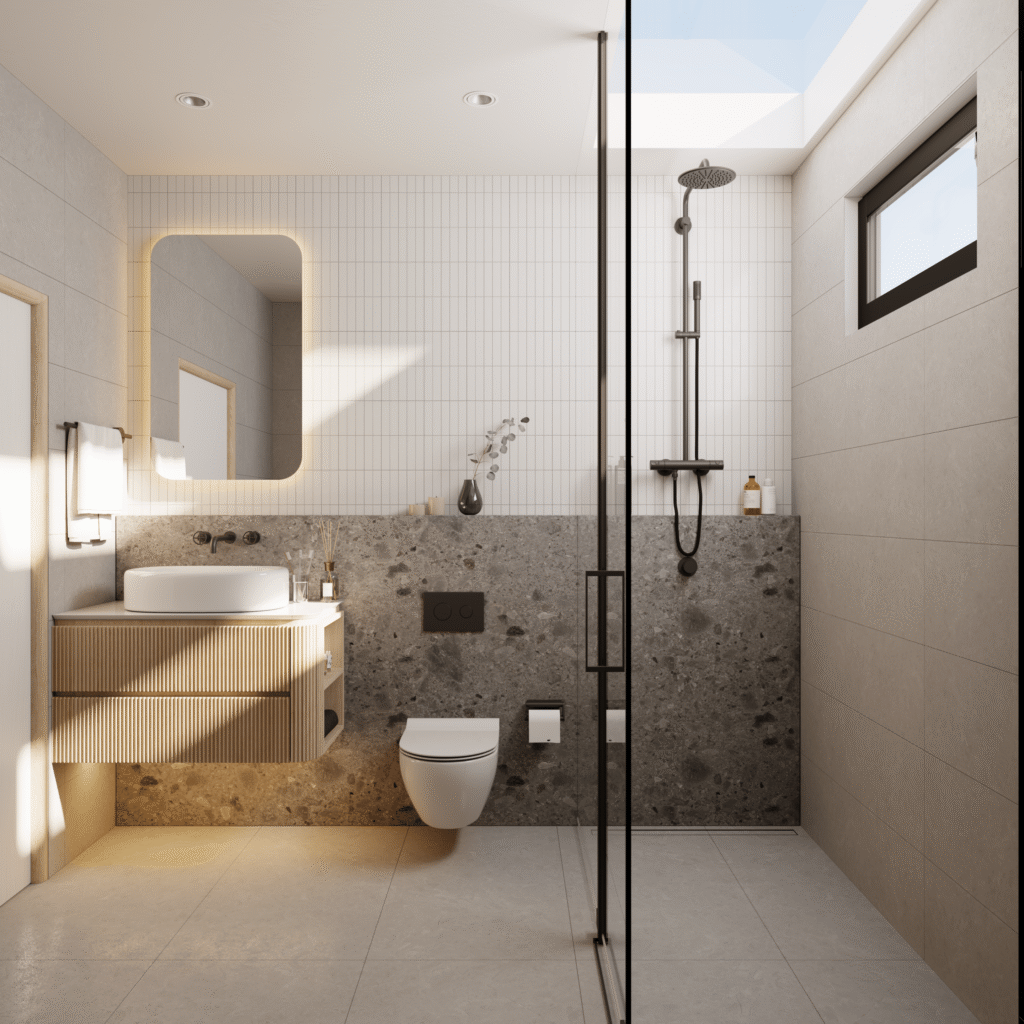
Bathroom Design Considerations
For some mental health conditions, bathroom routines become challenging. Depression affects motivation for basic self-care. Anxiety might make certain bathroom features difficult.
Good natural light in bathrooms supports morning routines. Adequate ventilation prevents dampness affecting mood. Comfortable temperature makes bathing less daunting.
Walk-in showers feel less confining than small shower stalls for people with claustrophobia. Clear glass rather than curtains reduces enclosed feeling.
Adequate storage keeps medications organised and visible. This matters particularly when medication compliance is important.
Kitchen Design for Healthy Routines
Nutrition significantly affects mental health. Depression often leads to poor eating habits. Anxiety might make cooking feel overwhelming. Kitchen design can make healthy eating easier or harder.
Good natural light and pleasant outlook make spending time in the kitchen more appealing. Adequate workspace supports meal preparation. Organised storage makes finding ingredients straightforward.
Comfortable spaces for eating encourage regular meals. Some people with mental health challenges skip meals when eating feels like a task rather than pleasure.
Full-size kitchens with proper appliances support developing cooking skills and healthy eating habits. Kitchenettes or minimal facilities don’t provide adequate support for wellbeing.
The Lana 60 includes a full kitchen with modern fittings. This supports healthy routines rather than creating barriers to good nutrition.

Sleep Environment Considerations
Sleep disturbance commonly accompanies mental health conditions. Poor sleep worsens symptoms. Creating environments supporting healthy sleep patterns matters significantly.
Bedroom design should prioritise darkness and quiet. Blackout blinds or curtains block light affecting sleep. Good soundproofing reduces noise disturbance.
Temperature control matters for sleep quality. Adequate heating and cooling help maintain comfortable sleep temperature. Good insulation prevents temperature fluctuations.
Bedrooms should feel calm and restful rather than stimulating. Adequate space, simple decoration, and comfortable environment support better sleep.
Space for Therapeutic Activities
Recovery often involves therapeutic activities. Exercise, creative pursuits, meditation, or hobbies support mental health management. Having space for these activities matters.
Two-bedroom layouts allow one room for sleeping and one for therapeutic activities. This separation between rest and activity supports better sleep hygiene while providing space for wellbeing practices.
Adequate floor space allows yoga or exercise. Good lighting supports reading or creative work. Quiet spaces enable meditation or mindfulness practices.
Custom granny flats in Melbourne can incorporate these considerations from the design stage.
Technology for Connection and Support
Technology plays important roles in mental health support. Telehealth appointments, online support groups, and maintaining social connections all require good connectivity.
Reliable internet supports mental health appointments conducted remotely. This matters particularly for people who find leaving home challenging during difficult periods.
Adequate power outlets throughout allow flexible device use. Some people use apps tracking mood, medication, or symptoms. Good charging access supports these health management tools.
Video calling capability helps maintain social connections when going out feels overwhelming. Technology enables connection even during isolation periods.
Outdoor Access and Nature Connection
Research consistently shows nature exposure benefits mental health. Even small outdoor spaces or views of greenery make measurable differences.
Private outdoor areas provide safe spaces for fresh air without social pressure. During anxious periods, stepping outside your own private space feels manageable when public spaces feel overwhelming.
Gardening provides therapeutic activity. Caring for plants offers routine, purpose, and connection to natural cycles. Even small gardens or potted plants provide these benefits.
Our Luxe package includes front decking as standard. This creates immediate outdoor connection useful for daily fresh air, morning coffee, or quiet contemplation.
Privacy for Mental Health Work
Managing mental health involves private activities. Therapy sessions, psychiatric appointments, emotional processing, and difficult conversations need privacy.
Soundproofing enables confidential telehealth appointments without family overhearing. Private space allows crying, processing emotions, or having difficult therapy conversations without worrying about being heard.
Adequate distance from the main house means your adult child can work through challenges privately. They can have bad days without feeling constantly observed. This privacy supports honest engagement with their recovery work.
Safety Considerations
Some mental health situations require safety features. These should be incorporated sensitively without creating institutional feeling.
Medication storage might need to be secure if younger siblings visit. Emergency alert systems provide safety backup during crisis periods. Clear communication about when to check in provides reassurance without intrusion.
Support dwelling builders in Melbourne can incorporate safety features discretely. The space should feel like home, not hospital.
Professional mental health providers can guide what safety features are appropriate for your specific situation. Requirements vary significantly based on diagnosis and symptoms.
Routine and Structure Support
Many mental health conditions benefit from routine and structure. The physical environment can support routine development.
Adequate natural light supports healthy circadian rhythms. This helps establish regular sleep and wake times.
Logical flow between spaces encourages daily routines. Moving from bedroom to bathroom to kitchen becomes a natural sequence supporting the morning routine.
Visual cues can support routine maintenance. Medication organisers visible in bathrooms. Exercise equipment visible in living space. These gentle reminders support routine adherence.
Flexibility as Needs Change
Mental health conditions fluctuate. Good periods alternate with challenging ones. Living arrangements need flexibility accommodating these changes.
During stable periods, your child might prefer more independence and distance. During difficult periods, they might need more contact and support. Granny flat arrangements adapt to these changing needs naturally.
Close proximity means you can increase check-ins when needed without major arrangement changes. Your child can request more or less contact as their needs change.
This flexibility reduces stress for everyone. You’re not locked into arrangements that don’t match current needs.
Supporting Employment and Purpose
Meaningful activity supports mental health recovery. Employment, volunteering, study, or creative pursuits provide structure, purpose, and social connection.
Granny flats in Melbourne provide a stable base supporting employment. A stable housing address helps with employment applications. Quiet workspace supports remote work or study. Reduced housing costs remove one financial pressure.
Some people with mental health conditions need flexibility around work. They might need to reduce hours during difficult periods. Stable, affordable housing allows this flexibility without a housing crisis.
Family Wellbeing Matters Too
Supporting an adult child with mental health challenges affects parents’ wellbeing significantly. The worry never stops. The responsibility feels endless.
Granny flat arrangements can help protect your wellbeing while supporting your child. You maintain your own space and routines. You’re not providing constant care. You can have boundaries while remaining available.
This separation helps preserve parent-child relationships. You’re a supportive parent, not a constant caregiver. This distinction matters for everyone’s mental health.
Professional support for yourself matters too. Therapy, support groups, and self-care aren’t selfish. They’re necessary for sustainable support.
When Professional Support Is Needed
Granny flats support mental health recovery, but they’re not treated. Professional support from psychiatrists, psychologists, and other mental health professionals remains essential.
The granny flat provides a stable base for recovery work. Your proximity provides a safety net. But professionals guide treatment and recovery.
Some situations require higher levels of support than granny flats can provide. Acute crisis periods might need hospital care. Understanding when professional intervention is necessary protects everyone.
Our turn-key service starts from $173,000. Our Signature package at $208,000 and Luxe package at $240,000 can incorporate mental health-supportive design features.
A Foundation for Recovery and Growth
Mental health recovery isn’t linear. Good days and difficult days both happen. Having safe, stable, supportive housing provides a foundation helping your child navigate their journey.If your family is supporting an adult child with mental health challenges, know that you’re not alone in this. Many families face these situations.
If you’re considering whether a granny flat might support your child’s wellbeing, contact us for a conversation. We’ll listen carefully and discuss whether this approach might help create the stable, supportive environment your family needs.


