

Melbourne property investors and homeowners exploring secondary dwelling options frequently encounter the granny flat vs tiny home dilemma when seeking to maximise their property potential. Both solutions offer unique advantages, but understanding the fundamental differences in construction standards, regulatory compliance, and long-term investment performance proves crucial for making informed decisions that align with financial goals and property enhancement strategies.
Comparing granny flats in Melbourne against tiny home alternatives reveals significant variations in permanence, financing options, and rental income potential that directly impact investment outcomes and property value enhancement over realistic ownership timeframes.
Fundamental Differences: Permanent vs Portable Solutions
The primary distinction between granny flats and tiny homes centres on permanence and integration with existing property infrastructure, creating vastly different investment profiles and lifestyle implications.
Granny Flat Foundation and Permanence
Granny flats require permanent foundations with full council approval processes that integrate seamlessly with existing property infrastructure including sewer, water, and electrical connections. This permanence creates substantial property value enhancement whilst ensuring compliance with Australian building standards and local planning requirements.
What is included in a granny flat build encompasses comprehensive site preparation, permanent utility connections, and construction methods that mirror traditional home building standards. The result provides decades of reliable service with minimal maintenance requirements and consistent rental appeal that supports premium rental rates.
Tiny Home Mobility and Limitations
Tiny homes emphasise mobility through trailer-based construction that theoretically allows relocation but creates practical limitations including restricted placement options, utility connection challenges, and regulatory compliance complications that impact long-term viability.
The mobility focus often compromises structural integrity, insulation performance, and internal layout efficiency compared to purpose-built permanent structures designed specifically for fixed-location residential use.

Regulatory Compliance and Approval Processes
Melbourne’s planning framework creates distinctly different pathways for granny flats versus tiny homes, with significant implications for legal occupancy, financing, and insurance coverage.
Granny Flat Council Approval
Granny flats proceed through established council approval processes with clear regulatory frameworks that ensure compliance with building codes, planning requirements, and neighbourhood character considerations. This formal approval process provides legal certainty for rental arrangements and property value enhancement.
Professional builders manage permit applications, building inspections, and compliance certification that protects property owners from legal complications whilst ensuring insurance coverage and financing availability for construction projects.
Tiny Home Regulatory Challenges
Tiny homes occupy regulatory grey areas with unclear approval pathways and limited council recognition as permanent residential accommodation. This uncertainty creates potential legal complications for rental arrangements whilst limiting financing options and insurance coverage.
Many councils treat tiny homes as temporary structures or caravans rather than permanent residential buildings, creating restrictions on placement duration and occupancy arrangements that impact investment viability and rental income potential.

Construction Quality and Building Standards
The construction approaches for granny flats versus tiny homes reflect fundamentally different priorities that impact durability, comfort, and long-term performance in Melbourne’s variable climate conditions.
Professional Granny Flat Construction
Granny flats utilise traditional construction methods with full compliance to Australian building standards including proper insulation, vapour barriers, and structural engineering that ensures reliable performance over decades of use.
Quality construction includes premium materials, professional trade installation, and comprehensive warranty coverage that protects investment outcomes whilst ensuring tenant comfort and safety throughout ownership periods.
Modern granny flats incorporate energy efficiency features, sound insulation, and accessibility considerations that enhance rental appeal whilst reducing ongoing operational costs for both owners and tenants.
Tiny Home Construction Limitations
Tiny home construction prioritises weight reduction and mobility over durability and comfort, often resulting in compromised insulation, structural limitations, and reduced lifespan compared to permanent residential construction.
The trailer-based construction creates ongoing maintenance challenges including structural movement, water ingress risks, and rapid wear of components not designed for permanent residential use in fixed locations.
Investment Performance and Rental Returns
Comparing granny flats in Melbourne against tiny home alternatives reveals significant differences in rental income potential, capital growth, and long-term investment performance that impact overall returns.
Granny Flat Investment Performance
Quality granny flats consistently achieve 10%+ rental yields throughout Melbourne’s growth corridors whilst providing substantial capital growth through property value enhancement. The permanent integration with existing properties creates compound investment benefits over realistic ownership timeframes.
Tenant appeal remains consistently high for quality granny flats offering modern amenities, proper insulation, and reliable utility connections that support comfortable year-round living. Professional construction ensures minimal vacancy periods and premium rental rates compared to alternative accommodation options.
Property value enhancement through quality granny flat additions often exceeds construction costs within 3-5 years whilst providing ongoing rental income that supports mortgage servicing and investment portfolio growth.
Tiny Home Investment Limitations
Tiny homes face rental market challenges including limited tenant appeal, regulatory restrictions on rental arrangements, and rapid depreciation similar to vehicles or caravans rather than property appreciation.
Financing difficulties limit purchase options for potential buyers whilst insurance complications create ongoing cost uncertainties that impact investment viability and rental income reliability.
The temporary nature of tiny home installations prevents property value enhancement whilst creating potential council compliance issues that could require costly relocation or removal at short notice.

Utility Integration and Infrastructure Requirements
The infrastructure requirements for granny flats versus tiny homes create substantially different cost profiles and functionality levels that impact both construction budgets and ongoing operational efficiency.
Granny Flat Infrastructure Integration
Granny flats connect directly to existing property utilities through professional installation that ensures reliable service without compromising main dwelling functionality. Permanent connections eliminate ongoing utility complications whilst supporting comfortable residential use.
Sewer connections provide proper waste management without septic system requirements or holding tank limitations that restrict occupancy or create ongoing maintenance obligations. Water connections ensure reliable supply and pressure that supports modern appliances and comfortable living standards.
Electrical integration includes dedicated circuits, safety switches, and meter arrangements that support full residential electrical loads whilst maintaining safety standards and insurance compliance requirements.
Tiny Home Utility Challenges
Tiny homes require complex utility arrangements including water tanks, composting toilets, and generator power systems that create ongoing maintenance obligations whilst limiting residential functionality compared to permanent accommodation options.
The temporary connection methods often compromise safety standards whilst creating ongoing costs for utility supply that reduce rental income potential and increase operational complexity for property owners and tenants.
Financing and Insurance Considerations
The financial aspects of granny flat vs tiny home investments reveal significant differences in available financing options, insurance coverage, and long-term financial planning implications.
Granny Flat Financing Advantages
Banks readily finance granny flat construction through established home improvement loans, construction loans, or mortgage refinancing arrangements that leverage existing property equity whilst providing competitive interest rates and favourable repayment terms.
Insurance coverage extends naturally through existing property policies with established premium structures and clear coverage definitions that protect investment value whilst ensuring tenant and owner liability protection.
Tiny Home Financing Complications
Traditional banks rarely finance tiny home purchases due to regulatory uncertainty and rapid depreciation concerns, forcing buyers toward personal loans with higher interest rates and shorter repayment periods that impact affordability and investment returns.
Insurance coverage proves problematic with limited specialist providers and unclear policy definitions that create potential coverage gaps whilst increasing premium costs compared to traditional residential property insurance.
Lifestyle and Comfort Comparisons
The living experience within granny flats versus tiny homes creates vastly different comfort levels and lifestyle satisfaction that directly impact tenant retention and rental income stability.
Granny Flat Living Standards
Quality granny flats provide comfortable residential living with adequate ceiling heights, proper insulation, and room layouts that support normal residential activities without the space constraints that characterise tiny home living.
Kitchen facilities include full-sized appliances, adequate bench space, and storage capacity that supports comfortable meal preparation and dining arrangements. Bathroom facilities provide standard residential amenities without the compromises required in tiny home configurations.
Climate control through professional heating and cooling systems ensures year-round comfort whilst proper insulation maintains comfortable temperatures and reduces energy costs for both owners and tenants.
Tiny Home Space Limitations
Tiny homes require significant lifestyle compromises including reduced storage capacity, cramped living conditions, and limited privacy that may impact tenant satisfaction and retention rates over extended occupancy periods.
The confined spaces can feel claustrophobic for many occupants whilst limiting furniture options and personal possessions that most people require for comfortable residential living.
Maintenance and Longevity Considerations
Long-term maintenance requirements and expected lifespan create substantial differences in total cost of ownership between granny flats and tiny homes over realistic investment timeframes.
Granny Flat Durability
Professional granny flat construction provides 50+ year lifespans with minimal structural maintenance requirements whilst maintaining rental appeal and property value contribution throughout ownership periods.
Quality materials and construction methods ensure ongoing reliability with predictable maintenance schedules that protect investment returns whilst ensuring consistent tenant satisfaction and minimal vacancy periods.
Tiny Home Maintenance Challenges
Tiny homes experience accelerated wear due to lightweight construction and mobility-focused design that prioritises weight reduction over durability, creating ongoing maintenance costs and potential structural issues within 10-15 years.
The trailer-based construction requires regular structural inspections and component replacement that traditional residential construction avoids whilst creating uncertainty about long-term reliability and safety standards.
Melbourne Market Analysis 2025
Current Melbourne market conditions create distinct advantages for granny flat investments compared to tiny home alternatives, with regulatory trends favouring permanent secondary dwelling solutions over temporary accommodation options.
Granny Flat Market Strength
Melbourne’s rental shortage creates strong demand for quality secondary dwellings with professional construction and permanent utility connections. Rental yields consistently exceed 10% for quality granny flats in growth corridors whilst vacancy periods remain minimal throughout market cycles.
Property value enhancement through granny flat additions provides a hedge against property market volatility whilst creating dual income streams that support investment portfolio growth and mortgage serviceability improvements.
Tiny Home Market Limitations
Melbourne’s regulatory environment increasingly restricts tiny home placement options whilst rental demand remains limited due to lifestyle compromises and utility limitations that reduce tenant appeal compared to permanent accommodation alternatives.
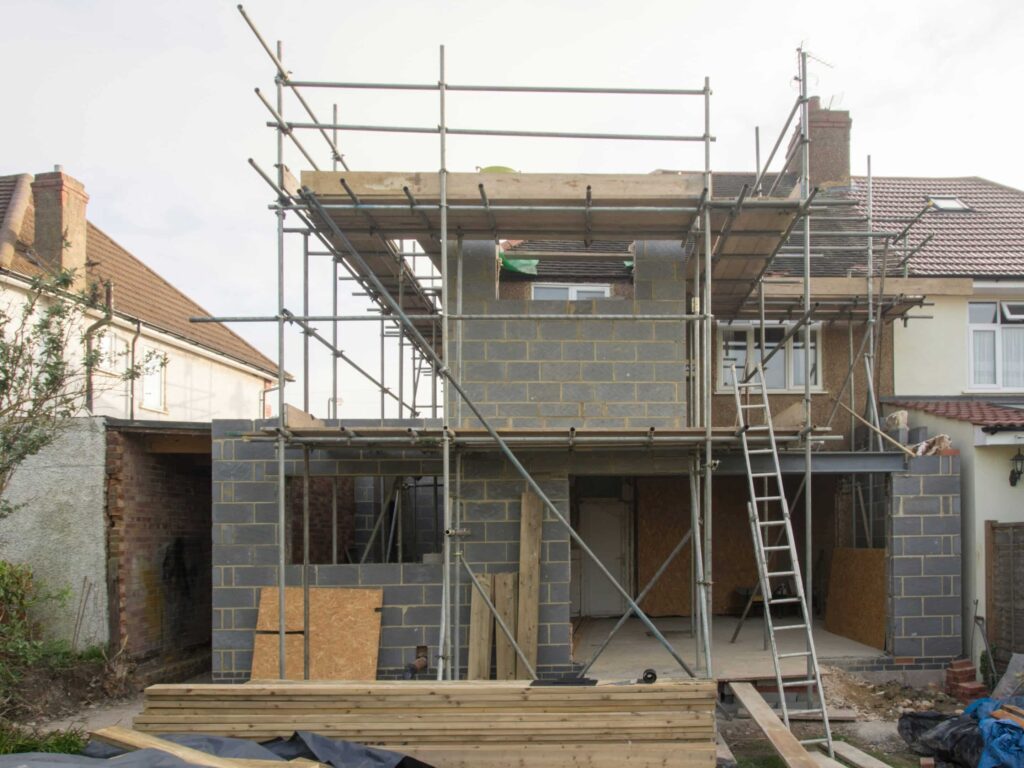
Professional Construction Advantages
What is included in a granny flat build through professional construction services creates substantial advantages over DIY tiny home approaches that often compromise quality and functionality whilst failing to achieve desired cost savings.
Comprehensive Granny Flat Inclusions
Professional granny flat construction includes site preparation, permanent foundations, full utility connections, quality fixtures and fittings, professional trade installation, and comprehensive warranty coverage that protects investment outcomes whilst ensuring quality standards.
Innovista Group’s Signature $208,000 package demonstrates comprehensive inclusion levels that create immediate rental readiness whilst providing premium features that command rental premiums throughout Melbourne’s competitive market.
The Luxe $240,000 package incorporates additional features including premium appliances, superior finishes, and enhanced amenities that attract quality tenants whilst maximising rental returns and property value enhancement.
Tiny Home Construction Limitations
DIY tiny home construction often lacks professional trade skills, quality control procedures, and warranty coverage that protect investment outcomes whilst ensuring safety compliance and long-term reliability.
The weight and size restrictions inherent in tiny home design compromise inclusion quality and functionality compared to purpose-built permanent residential construction that prioritises comfort and durability over mobility considerations.
Making the Investment Decision
Comparing granny flats in Melbourne against tiny home alternatives reveals clear advantages for permanent construction that prioritises investment performance, regulatory compliance, and long-term value creation over temporary accommodation solutions.
Quality granny flat construction provides superior rental returns, property value enhancement, and tenant satisfaction compared to tiny home alternatives that prioritise mobility over investment performance and residential functionality.
The regulatory certainty, financing availability, and insurance coverage associated with granny flat construction create investment security that tiny home alternatives cannot match whilst providing superior lifestyle outcomes for both owners and tenants.
Strategic Investment Implementation
Successful property investment requires strategic decision-making based on comprehensive analysis of long-term performance potential rather than initial cost considerations that may compromise investment outcomes over realistic ownership timeframes.
Contact Innovista Group to explore how professional granny flat construction delivers superior investment outcomes compared to tiny home alternatives whilst providing comprehensive solutions that maximise property potential and rental income generation.


