
Visiting granny flat display homes feels like the smart first step when you’re considering a secondary dwelling. You want to see actual quality, touch real materials, and experience space planning firsthand rather than relying on photos and promises. Granny flat display homes absolutely provide value when you know what to look for, but they also hide realities that only become apparent when you ask the right questions and inspect beyond the styled presentation.
I’ve watched hundreds of Melbourne buyers fall in love with beautifully presented granny flat display homes, only to discover the model they toured included $30,000-$50,000 in upgrades not mentioned during the visit. Moreover, they learned the display showcased premium finishes while the builder’s standard package uses budget materials. Display homes serve as marketing tools first and accurate representations second, so you need to inspect critically rather than emotionally.
This guide shows you what to examine during granny flat display home visits, questions that reveal true quality and pricing, how to distinguish between standard inclusions and expensive upgrades, and what display homes can’t show you about the actual building process and service quality.
What Display Homes Reveal About Quality
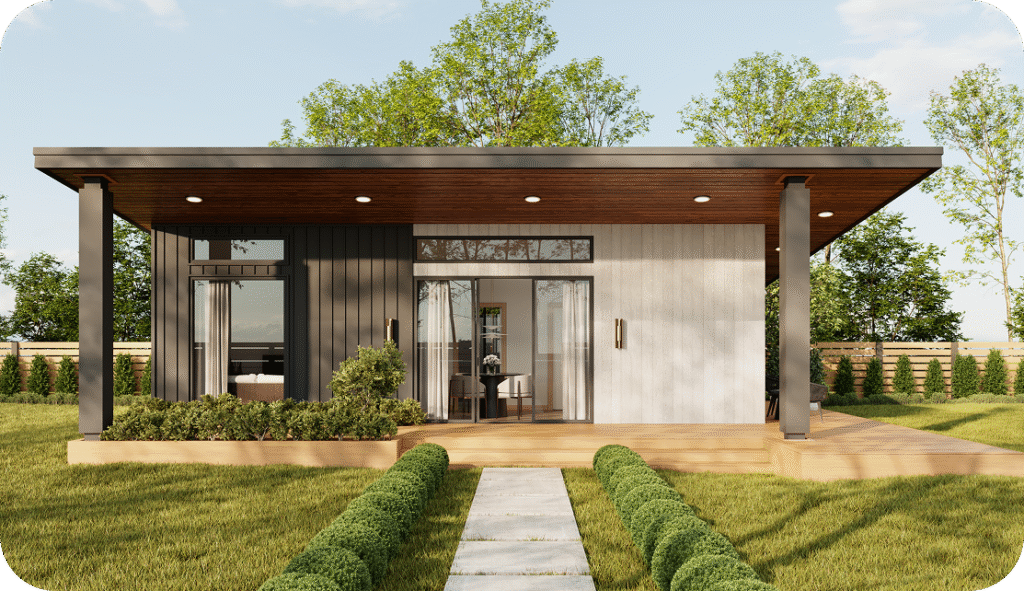
Well-designed display homes let you evaluate several quality factors that photos can’t adequately convey.
Space planning becomes obvious when you physically walk through layouts. You’ll immediately sense whether the 60m² feels spacious or cramped based on how rooms flow together. Kitchen work triangle efficiency reveals itself when you stand at the sink, cooktop, and fridge locations. Additionally, bedroom sizes make sense when you visualize your furniture in the space. Bathroom layouts show whether there’s adequate space for comfortable daily use.
Material quality is impossible to assess from website photos but obvious when you touch actual benchtops, cabinetry, and fixtures. Run your hands along stone benchtops and feel whether edges are properly finished. Open and close cabinet doors to check for soft-close mechanisms versus basic hinges that slam. Furthermore, check tap quality and shower fittings to see if they feel substantial or cheap. These tactile assessments reveal far more than any marketing description.
Natural light and ventilation only become apparent in person. Stand in each room and notice whether windows provide adequate light throughout the day. Check if windows open wide enough for proper cross-ventilation. Notice ceiling heights and whether spaces feel airy or closed in. Consequently, these factors dramatically affect livability but don’t translate through photos.
Storage solutions show themselves during walkthroughs. Open wardrobes and see actual hanging space and shelf configurations. Check kitchen pantries for usable storage depth and height. Look at bathroom vanities to assess drawer functionality. Adequate storage makes small spaces work well, while insufficient storage creates perpetual clutter.
Finish quality in details separates premium from budget construction. Check door and window seals for quality installation. Look at where walls meet ceilings for clean finishing. Notice whether electrical outlets and switches align properly and finish neatly. Moreover, inspect tile work in bathrooms for straight grout lines and proper finishing around fixtures. These details indicate overall construction standards.
Questions to Ask During Display Home Visits

Display homes become valuable when you ask questions that reveal what’s standard versus optional.
Start with the most important question: “What exactly is included in your base package price, and what are the upgrades in this display?” Many display homes showcase premium options without clearly distinguishing them from standard inclusions. Get specific answers about benchtop materials, appliance brands, flooring types, tile coverage, and fixture quality in base pricing versus the display.
Ask about material specifications: “What thickness is the standard stone benchtop?” Display might show 30mm while standard is 20mm. “What appliance brands come standard?” Display might feature Bosch while standard is unbranded. “Is this flooring standard or upgraded?” Display could show premium hybrid while standard is basic vinyl.
Probe about what’s not in the display: “What’s different between this display and what I’d actually receive?” Honest builders explain variations. Evasive answers suggest the display isn’t representative of standard offerings.
Question construction timeline and process: “Is this display built the same way as customer granny flats?” Some displays are site-built showcases while customer units are factory-built, creating quality differences. “How long does actual construction take from contract to completion?” Get realistic timelines, not aspirational estimates.
Understand service area and logistics: “Do you service my suburb?” Verify they actually build a granny flat in your area. “What’s involved in site preparation and installation?” Understand whether complex sites add costs.
Clarify pricing completely: “What’s the total price to get exactly what’s in this display installed on my property?” This single question cuts through marketing and reveals true costs including site work, connections, and everything necessary for occupancy certificate.
Request proof of credentials: “Can you provide current licensing and insurance certificates?” Never proceed without verifying proper credentials regardless of how impressive the display looks. Learn more about choosing quality builders.
Distinguishing Standard Inclusions from Expensive Upgrades

Display homes typically showcase upgraded specifications without clearly labeling them as extras, so learning to identify upgrades protects you from budget surprises.
Kitchen upgrades are common display tactics. Standard packages might include 20mm laminate benchtops while displays feature 30mm stone. Basic packages use unbranded appliances while displays showcase Bosch or Miele. Standard cabinetry has basic hinges while displays include soft-close throughout. Undermount sinks appear in displays but drop-in sinks come standard. Consequently, these kitchen upgrades can add $8,000-$15,000 to base pricing.
Bathroom upgrades in displays include floor-to-ceiling tiles when standard is half-height, frameless shower screens versus shower curtains, wall-hung vanities instead of basic cabinets, and premium tapware rather than builder’s grade fixtures. Bathroom upgrades add $4,000-$8,000 to base costs.
Flooring shown in displays often represents upgrades. Hybrid or engineered timber costs significantly more than vinyl plank standard in many packages. The difference adds $3,000-$5,000 for a 60m² granny flat.
Climate control in displays might show ducted systems or premium split systems while standard packages include basic single-head units. Upgrade costs: $2,000-$5,000.
External finishes on displays sometimes exceed standard offerings. Rendered finishes cost more than basic cladding. Feature walls or contrasting colors add costs. Premium roofing materials increase pricing. These aesthetic upgrades add $3,000-$8,000.
Smart home integration, premium lighting, upgraded window treatments, and landscape presentation in displays all represent additional costs beyond base pricing. These combined extras can add $5,000-$10,000.
Total upgrade cost for a fully-loaded display versus actual base package: $25,000-$50,000. This explains why displays look so impressive while base packages sometimes disappoint buyers who didn’t ask the right questions. Learn about what’s actually included in quality packages.
What Display Homes Can’t Show You
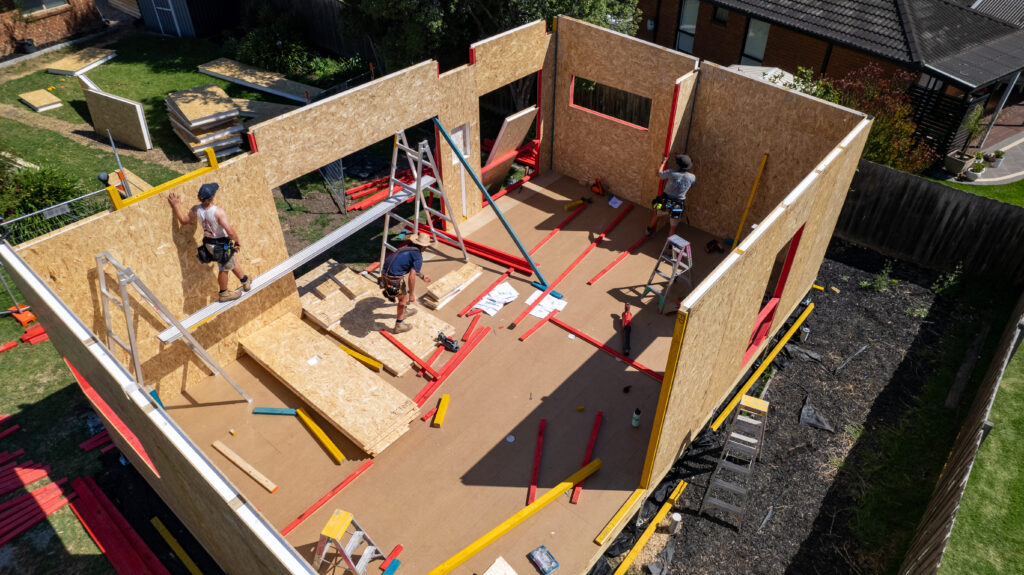
Important factors in choosing granny flat builders remain invisible during display home visits.
Construction quality in factories versus displays matters enormously. Displays built on-site for permanent showcase don’t necessarily reflect quality of factory-built customer units. Ask to visit their actual factory where customer granny flats are built to see real production quality and processes.
Service quality and communication only reveal themselves through actual projects. Display homes say nothing about whether builders return calls promptly, provide regular updates, handle problems professionally, or deliver on timeline promises. Therefore, request recent client references and actually contact them to learn about service quality.
Timeline reliability can’t be assessed from displays. Beautiful showcase homes don’t indicate whether builders complete projects on schedule or face constant delays. Ask about their average timeline from contract to completion and what percentage of projects finish on schedule.
Problem resolution approaches remain unknown. Every construction project encounters some issues. How builders handle problems matters more than whether problems occur. References reveal whether builders address issues promptly or become defensive and difficult.
Long-term durability won’t be apparent in newer displays. Visit older completed granny flats from the same builder (2-5 years old) to see how materials and construction hold up over time. This reveals true quality better than pristine new displays.
Warranty service quality only becomes clear when you need it. Ask references whether the builder responded promptly to warranty issues and resolved them satisfactorily. Written warranty terms matter less than whether builders actually honor them.
Making Display Home Visits Worthwhile
Maximize value from display visits by approaching them strategically rather than emotionally.
Visit multiple builders’ displays to compare quality directly. Seeing 3-4 different granny flat designs in one day gives you comparative context impossible to achieve viewing only one. You’ll quickly identify which builders use quality materials and finishes versus those cutting corners.
Bring a notebook and take detailed notes at each display. Record specific materials, brands, dimensions, and answers to your questions. Furthermore, displays start blurring together in memory, so contemporaneous notes prevent confusion when comparing options later.
Photograph displays with your phone to remember layouts and finishes. Most builders allow photos as long as you ask permission. Photos help you compare features and discuss options with family members who couldn’t attend.
Schedule visits when you can spend adequate time. Rushing through displays in 20 minutes prevents proper inspection. Allow 45-60 minutes per display to thoroughly examine everything and ask all your questions. See our showroom inspection checklist for guidance.
Bring your partner or decision-making family members. Displays help everyone visualize the actual product better than photos, making joint decisions easier when everyone has seen options firsthand.
Follow up visits with email confirming what you learned about standard inclusions, pricing, and timelines. Written confirmation prevents future disputes about what was promised during the display visit.
When to Skip Display Homes
Display home visits aren’t necessary for every buyer.
If you’re comparing builders with clear written specifications and references, displays add minimal value. Well-documented packages with photo galleries provide adequate information.
For buyers prioritizing investment returns over aesthetics, financial analysis matters more than experiencing finishes firsthand.
When builders operate displays far from your area requiring several hours travel, the time investment rarely justifies the benefit.
Remote buyers outside Melbourne often can’t practically visit displays. Video tours and photo galleries substitute adequately.
Experienced property developers who’ve built multiple granny flats can evaluate quality from documentation without display visits.
Our Approach to Display and Transparency
We maintain a different approach to showcasing our granny flats that prioritizes transparency over marketing gloss.
Rather than highly-styled permanent displays that don’t reflect standard packages, we offer site visits to recently completed customer projects (with owner permission). You see actual granny flats that real customers received, not marketing showcases with thousands in upgrades.
Our specifications documentation clearly distinguishes our Signature package ($220,000) from our Luxe package ($255,000), listing every inclusion without hiding standard specifications. What you see in documentation is what you receive.
We provide detailed photo galleries showing multiple completed projects with standard specifications so you can evaluate actual quality rather than idealized displays.
Factory tours let you see where and how your granny flat will actually be built rather than showcasing site-built displays that don’t represent production methods.
Recent client references put you in touch with people who’ve experienced our complete process, not just seen a marketing display. Their experiences matter more than anything we could show you in a styled showcase.
Conclusion
Granny flat display homes provide value when you inspect critically, ask detailed questions about standard inclusions versus upgrades, and recognize displays showcase marketing versions that may differ substantially from base packages. Question everything about materials, specifications, and pricing to understand whether displays represent standard offerings or contain $25,000-$50,000 in extras. Moreover, visit actual completed customer projects rather than styled displays when possible for realistic quality assessment.
Contact Innovista Group to visit recently completed customer granny flats showing actual standard specifications rather than marketing showcases with expensive upgrades. Additionally, request your free site assessment to get started.


