

If you’re thinking about building a granny flat but feel completely overwhelmed by where to start, you’re not alone. Most first-time builders stare at their backyard wondering how a pile of timber and concrete becomes a beautiful, liveable space without costing a fortune or taking forever.
The good news? Building a granny flat doesn’t have to be stressful or confusing when you understand the essential steps and avoid the common traps that catch most beginners. Every successful granny flat project follows the same proven process, and knowing what to expect makes all the difference between a smooth build and a costly nightmare.
Why First-Time Granny Flat Builders Need a Different Approach
Building a granny flat isn’t like renovating a bathroom or adding a deck. You’re creating a complete, self-contained home that needs to meet strict building codes, council requirements, and safety standards. Many first-time builders underestimate the complexity and end up making expensive mistakes.
The biggest difference between experienced builders and first-timers isn’t skill – it’s knowing what questions to ask and which decisions matter most. Experienced builders know that choosing the wrong foundation type can add $15,000 to costs, whilst first-time builders often focus on cabinet colours before understanding basic structural requirements.
What makes granny flat construction unique: Unlike home extensions or renovations, granny flats require separate utility connections, independent structural systems, and compliance with secondary dwelling regulations. These aren’t just bigger sheds – they’re complete homes that happen to be built in your backyard.
The approval process alone involves multiple professionals, different permit types, and council requirements that vary significantly across Melbourne. In heritage-conscious Boroondara, first-time builders often face planning permit requirements even for 60-square-metre granny flats, whilst growth-area councils like Casey streamline approvals for standard designs.
Why timing matters for first-time granny flat construction: Melbourne’s building industry has busy and quiet seasons that affect both costs and availability. Smart first-time builders plan their projects around these cycles, whilst unprepared builders often face higher costs and longer delays during peak building periods.

Building a Granny Flat: Pre-Construction Planning First-Time Builders Must Know
Most first-time granny flat builders want to start digging foundations immediately, but successful projects actually begin months before any construction starts. This planning phase determines whether your build runs smoothly or becomes an expensive learning experience.
Site assessment – the foundation of everything: Professional site assessment reveals soil conditions, drainage requirements, and potential complications that affect your entire granny flat construction project. Many first-time builders skip this step to save a few hundred dollars, then face thousands in unexpected costs when construction begins.
Understanding your soil type determines foundation design, drainage requirements, and construction methods. Werribee’s clay soil conditions require different foundation approaches than Doncaster’s rocky terrain – variations that add $8,000-15,000 to costs when discovered during construction rather than planning.
Council requirements specific to your property: Every Melbourne council interprets granny flat regulations differently, and what’s approved next door might not work for your property. First-time builders often assume standard rules apply everywhere, leading to rejected applications and expensive redesigns.
A first-time builder in Glen Waverley recently faced $12,000 in unexpected heritage consultant fees because they didn’t realise their property had neighbourhood character overlays. This kind of surprise derails budgets and delays projects for months.
Budget planning beyond granny flat construction costs: Most first-time builders focus only on building costs, forgetting the substantial additional expenses that determine total project investment. Permit fees, professional services, utility connections, and landscaping can add 25-40% to basic construction costs.
Understanding these complete costs upfront prevents the budget stress that forces many first-time builders to compromise on quality or delay projects when unexpected expenses arise.
Why Most Builders Fail First-Time Granny Flat Clients
Most granny flat builders assume you understand construction terminology, permit processes, and building your first granny flat timeline expectations. They hand you a quote and expect you to navigate council approvals, contractor coordination, and quality control yourself.
The industry’s first-time builder problem: Traditional builders expect clients to become instant construction experts. They use technical jargon without explanation, assume you understand permit processes, and leave you to coordinate between multiple contractors and council requirements.
When problems arise – and they always do during granny flat construction – these builders often blame delays on “council bureaucracy” or “supply chain issues” rather than taking responsibility for poor planning and communication.
What first-time builders actually need: Unlike builders who expect first-time clients to become instant construction experts, Innovista’s approach treats every first-timer as someone who deserves clear explanations, realistic timelines, and genuine support throughout their building journey.
Whilst other builders leave you to figure out council requirements alone, we handle every approval and keep you informed at each step. Our Full Service Package recognises that first-time builders need guidance, not assumptions about what you should already know.
Choosing the Right Granny Flat Design for Success
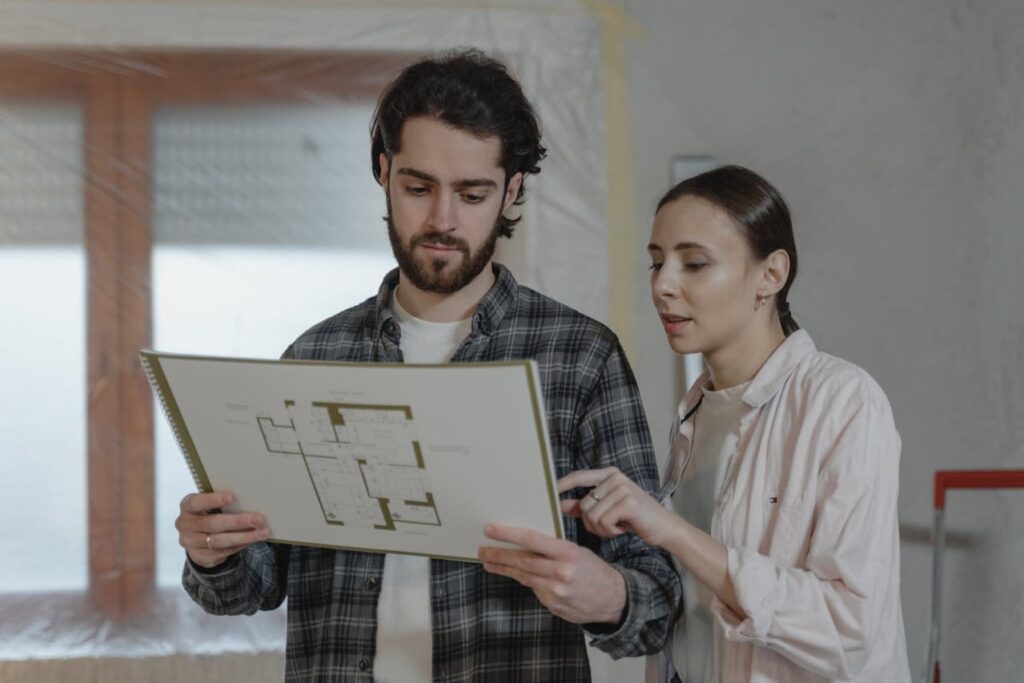
Design decisions affect every aspect of your granny flat construction project – from approval difficulty to building costs to long-term satisfaction. First-time builders often choose designs based on appearance rather than practicality, leading to problems throughout the building process.
Size considerations that affect granny flat construction complexity: The 60-square-metre threshold isn’t arbitrary – it determines approval requirements, construction methods, and ongoing costs. First-time builders often assume bigger is automatically better, not understanding how size affects complexity and expense.
Innovista’s LANA 60 design maximises this threshold perfectly, providing two bedrooms and complete living facilities within the 60-square-metre limit that keeps approval processes straightforward. This thoughtful design approach prevents the planning complications that often delay first-time builder projects.
For first-time builders seeking simpler projects, the LANA 43 offers complete functionality in a more manageable 43-square-metre footprint. This single-bedroom design includes everything needed for comfortable living whilst reducing both construction complexity and total investment.
Layout efficiency versus room size: First-time builders often want large individual rooms, not understanding how efficient layouts create more useable space within smaller footprints. Professional designers know that well-planned 40-square-metre spaces feel larger than poorly designed 60-square-metre layouts.
Open-plan living areas, clever storage solutions, and multi-purpose spaces create functionality that impresses without requiring larger buildings. These design principles become particularly important when working within council size limitations.
Future flexibility planning: Smart first-time builders consider how their granny flat might be used differently over time. Today’s guest accommodation becomes tomorrow’s teenager retreat or elderly parent housing, and good design accommodates these changing needs.
Features like accessible bathroom design, flexible living spaces, and adaptable storage ensure your granny flat remains valuable regardless of how your family circumstances change. This forward thinking distinguishes successful projects from those that quickly become outdated.
Granny Flat Construction Process: What to Expect
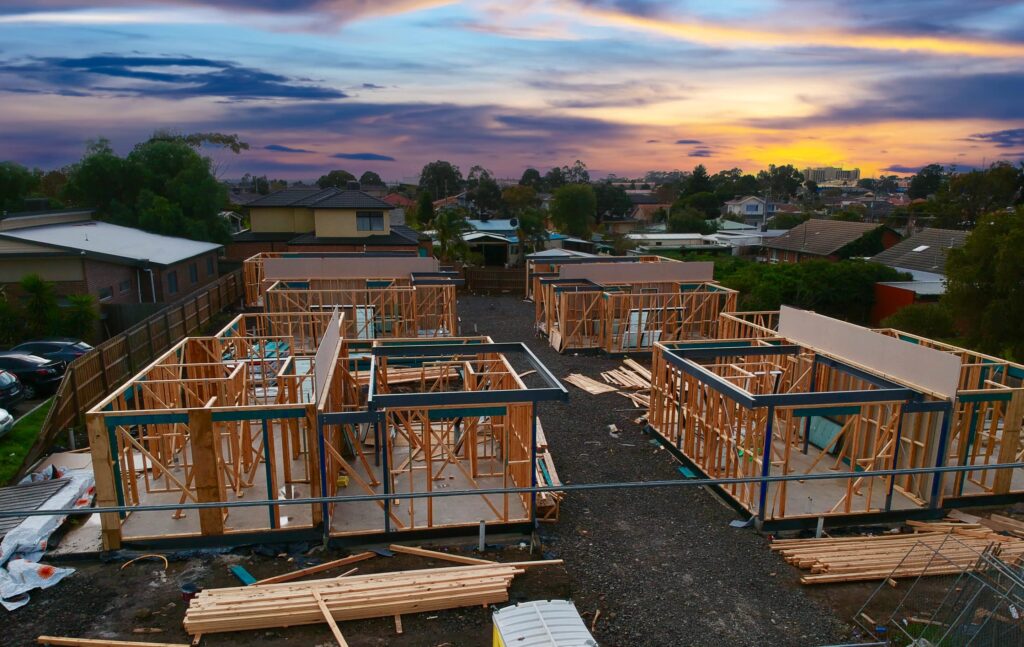
Understanding the granny flat construction sequence helps first-time builders prepare for each phase and recognise when things are progressing normally versus when problems require attention.
Foundation and structural work – the critical early stages: Foundation work sets the standard for everything that follows during granny flat construction. First-time builders often rush this phase to see visible progress, but proper foundations and framing determine your granny flat’s long-term performance and durability.
Quality builders take time with foundations because corrections become exponentially more expensive once walls and roofing are installed. This patience during early stages prevents the structural problems that create ongoing maintenance costs.
Services installation – the complex coordination phase: Electrical, plumbing, and gas installations require careful coordination and professional expertise. First-time builders sometimes attempt DIY approaches to save money, not understanding that incorrect service installation creates safety hazards and expensive rectification work.
Professional services installation ensures your granny flat meets safety standards and obtains necessary compliance certificates. These certificates are essential for insurance coverage and future property sales.
Finishing work – where quality becomes visible: Kitchen installation, bathroom fitting, and flooring work transform your granny flat from construction site to finished home. First-time builders often rush these final stages, but attention to detail during finishing work determines both appearance and long-term satisfaction.
Quality finishing work reflects the care taken throughout granny flat construction and affects how your space photographs for rental marketing or future property sales.
First-Time Builder Cost Management: Avoiding Budget Blowouts
Cost control challenges many first-time granny flat builders because they underestimate the complexity of managing multiple contractors, material deliveries, and changing requirements throughout construction.
Fixed-price contracts versus variable-cost approaches: Many first-time builders choose lowest-price quotes without understanding the difference between fixed-price certainty and variable-cost risk. Fixed-price contracts protect against material price increases and scope changes that often surprise inexperienced builders.
Melbourne-specific cost considerations for first-time builders: Council permit fees vary dramatically across Melbourne – from $1,200 in outer growth areas to $4,000+ in heritage suburbs like Toorak or Hawthorn. First-time builders often budget using the lowest figures, then face shock when their specific council charges premium rates.
Innovista’s transparent pricing approach eliminates the surprise costs that frustrate first-time builders. When you know exactly what your granny flat will cost, you can focus on exciting design decisions rather than worrying about budget overruns.
Quality versus cheapest-price thinking: First-time builders often focus on minimising immediate costs rather than understanding long-term value. Cheap construction creates ongoing maintenance costs and potential safety issues that exceed any initial savings.
Quality materials and professional installation protect your investment whilst providing the reliability that first-time builders need for peace of mind.
Building a granny flat successfully as a first-time builder requires understanding the complete process, realistic budgeting, and working with experienced professionals who guide you through each decision.Ready to start your first granny flat project with confidence? Contact Innovista Group today to discover how our Full Service Package takes the uncertainty out of building your first granny flat.


